World Centric · Food Packaging
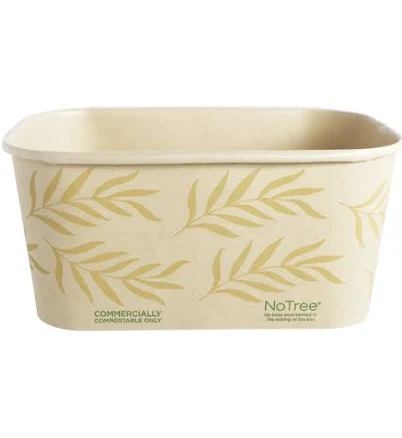
World Centric Compostable Takeout Container Pack of 150
Lower concern; compostable plant fiber rarely requires PFAS coatings.
World Centric compostable containers made from bagasse typically use water-based rather than fluorinated coatings due to material requirements. No explicit brand PFAS disclosure exists.
We flunk more products than we pass. This one earned its grade. How we grade
Material
Plant fiber (bagasse/sugarcane) with water-based coating
Brand disclosure
Brand is silent on PFAS
Lab data
No public lab test
You may also be interested in
Top-graded picks in the categories readers replace first, every one scored on the same rubric.

- polypropylene filter housing, carbon/sediment cartridge
- We found no PFAS statement from the brand
- Bacterial growth in spent cartridges
3 hazards checked on this product, all on its full breakdown.

Aquasure
Premier Series 75 GPD Under Sink Reverse Osmosis Water Filtration System
- RO membrane, carbon filters, stainless steel housing
- We found no PFAS statement from the brand
- Bacterial and microbial growth in housing and filters
4 hazards checked on this product, all on its full breakdown.

Avocado
Vegan Mattress
- organic cotton, natural latex, coconut coir, recycled steel coils
- The brand calls it PFAS-free, which we have not verified
- Heavy metals
2 hazards checked on this product, all on its full breakdown.
What World Centric Compostable Container Pack is made of, ingredients and materials
World Centric's containers are made from bagasse, the fibrous residue left after sugarcane processing, bonded with water-based coatings rather than petroleum-based plastics or epoxy resins. This material avoids the leaching risks associated with polystyrene, polypropylene, and conventional plastic coatings. The water-based coating system is designed to provide moisture and grease resistance without relying on synthetic polymers, reducing the chemical load entering food.
What’s concerning
Category baseline
The starting point for this type of product, before anything specific to this product is counted.
No PFAS disclosure
No public statement from the brand about PFAS in this product.
Coating degradation and particle release
Water-based coatings on fiber can break down or flake if heated above ~70C or if wet for extended periods; no data available on particle size or composition of degraded coating released into food. Risk is low under normal use (room-temperature takeout) but increases with misuse.
Microbial growth in fiber matrix
Bagasse is a cellulose-based material prone to mold and bacterial colonization if stored damp or in humid conditions; this is a storage/handling issue rather than a chemical hazard, but can compromise food safety if containers are contaminated before use.
What’s reassuring
Base material not linked to PFAS
The main material recorded for this product is not one associated with PFAS.
Adhesive or ink residues in coating
Water-based coatings typically use minimal synthetic adhesives and inks are often soy or mineral-based, but World Centric does not disclose specific formulations. No recalls or contamination reports are on record for this product line.
Heavy metals
Bagasse containers are usually white or natural tan; if colored inks are used, they are presumed to meet FDA compliance for food-contact substances, but brand does not publish pigment data. Risk is minimal given the compostable positioning and lack of reported issues.
Source, FDA ↗Plasticizer or bisphenol leaching
Bagasse does not use traditional plastic resins, so BPA, BPS, and phthalate leaching is not a mechanism of concern for this product class. Water-based coatings are formulated to avoid these chemicals, but lack of explicit brand verification leaves a small transparency gap.
How is this PFAS grade calculated?
The brand's record and disclosure
Sprout/World Centric markets sustainability credentials (compostability certification, renewable sourcing) but does not publish detailed chemical composition disclosures or third-party test reports on their website. The brand has no documented history of safety recalls or regulatory violations for this product line. Their silence on PFAS and coating ingredients is typical for the compostable container segment but falls short of transparency best practices; competitors like Footprint and some certifiers now explicitly disclose PFAS-free formulations.
How it compares in its category
Bagasse containers occupy a middle ground, lower concern than polystyrene foam and conventional plastic clamshells (which carry BPA and phthalate risks), but with less transparency than brands offering independent PFAS/chemical testing. Molded fiber alternatives from other manufacturers (Huhtamaki, Anchor Packaging) have similar risk profiles. Compostable PLA and PHA plastics present different hazards (lower temperature stability, less established leaching data). For single-use takeout, bagasse is among the lower-chemical-exposure options.
If you buy it
These containers are designed for room-temperature and warm foods (up to ~80C for short periods); avoid microwaving or prolonged contact with hot foods above 60C, as water-based coatings may degrade under sustained heat and release coating particles. Store in a cool, dry place to prevent mold growth on the fiber matrix, especially if containers are damp before sealing. For hot foods, transfer to ceramics or glass if the container will hold items above 70C for more than 15 minutes. Containers are single-use; do not reuse for non-food storage without washing thoroughly.
What is not known about PFAS in this product?
- Basis
- Model estimate, 72% confidence, not a lab result
- Lab test
- None on record for this exact product
- Brand statement
- World Centric has made none
Formulations change between production runs, so check the current label. How we grade.
What are the PFAS-free alternatives to World Centric Compostable Takeout Container Pack of 150?
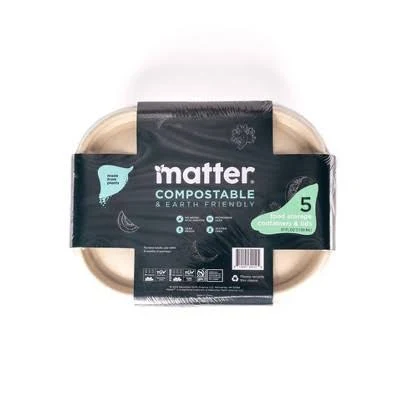
- Plant-based fiber pulp (compostable)
- A third party reports verifying it as PFAS-free
- Microbe/mold growth if stored damp
2 hazards checked on this product, all on its full breakdown.
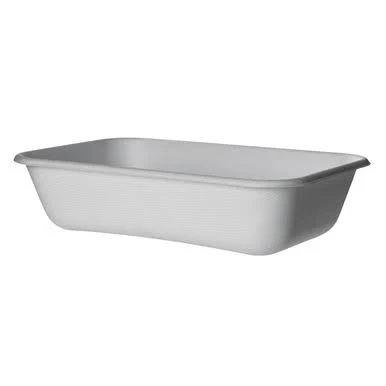
Eco-Products
Eco Products WorldView Compostable Take-Out Containers EP-SCRC32
- Plant-based fiber (compostable sugarcane bagasse)
- A third party reports verifying it as PFAS-free
- Bleaching agents and processing residues
3 hazards checked on this product, all on its full breakdown.
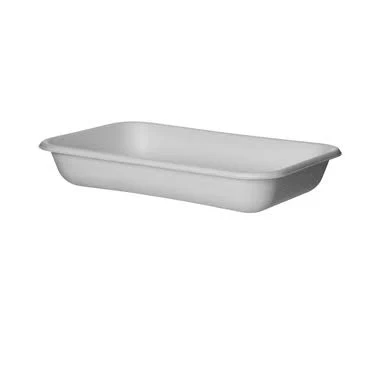
Eco-Products
WorldView Sugarcane Take-Out Containers
- Sugarcane bagasse (post-consumer fiber)
- A third party reports verifying it as PFAS-free
- Cellulose fiber degradation and food contact
2 hazards checked on this product, all on its full breakdown.
More food packaging grades
How we score, every product runs through the same public 0-100 rubric based on materials, coatings, brand disclosure, lab findings, and recalls. See the full methodology → Spotted a mistake? Report an error.