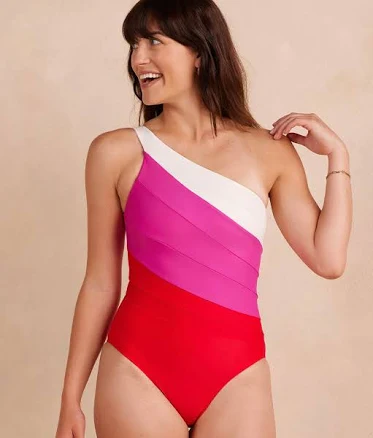
Summersalt Plus Size Sidestroke Swimsuit
Lower PFAS concern for basic swimwear; no evidence of problematic coatings, but brand transparency is absent.
Summersalt's Plus Size Sidestroke is standard nylon/polyester knit with no disclosed water-resistant or stain-resistant finish, carrying lower risk than water-repellent coating-treated fabrics. The brand makes no PFAS claims.
The better-graded swap
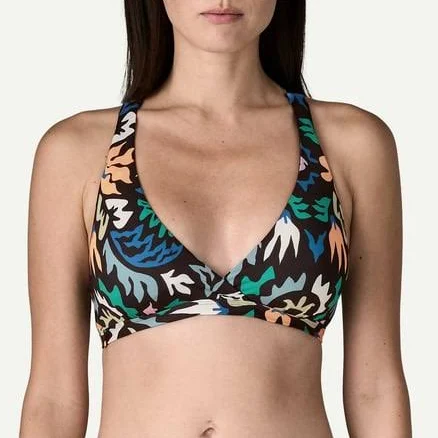
Patagonia
Patagonia Women's Bottom Turn Racerback Bikini Top
90/100 safety
Same rubric that flunked this product. The swap earned Excellent.
Still want this one anyway? Check the price on Amazon. We’d swap it.
Material
Nylon/polyester blend (standard swimwear knit)
Brand disclosure
Brand is silent on PFAS
Lab data
No public lab test
You may also be interested in
Top-graded picks in the categories readers replace first, every one scored on the same rubric.

- polypropylene filter housing, carbon/sediment cartridge
- We found no PFAS statement from the brand
- Bacterial growth in spent cartridges
3 hazards checked on this product, all on its full breakdown.

Aquasure
Premier Series 75 GPD Under Sink Reverse Osmosis Water Filtration System
- RO membrane, carbon filters, stainless steel housing
- We found no PFAS statement from the brand
- Bacterial and microbial growth in housing and filters
4 hazards checked on this product, all on its full breakdown.

Avocado
Vegan Mattress
- organic cotton, natural latex, coconut coir, recycled steel coils
- The brand calls it PFAS-free, which we have not verified
- Heavy metals
2 hazards checked on this product, all on its full breakdown.
What Summersalt Plus Size Sidestroke Swimsuit is made of, ingredients and materials
This swimsuit is a nylon and polyester blend knit, the industry standard for chlorine-resistant, quick-drying swimwear. Nylon and polyester themselves are stable polymers with low leaching risk in aqueous environments at body temperature. The hazard profile depends entirely on finishing treatments, dyes, elastane (spandex) stabilizers, and any water-repellent or antimicrobial coatings applied post-manufacture, which Summersalt does not disclose.
What’s concerning
Category baseline
The starting point for this type of product, before anything specific to this product is counted.
No PFAS disclosure
No public statement from the brand about PFAS in this product.
Heavy metals
No testing data published by Summersalt. Nylon/polyester swimwear routinely uses reactive or disperse azo dyes; some can break down into carcinogenic amines under sweat and UV, though skin absorption risk is low. No specific recalls or complaints on record for this brand.
Source, FDA ↗Elastane (spandex) degradation and leaching
Elastane stabilizers may include heavy metals (cobalt, nickel catalysts); breakdown accelerates with heat, chlorine, and UV. At body temperature and in normal use, leaching is minimal, but degraded elastane fabric (visible as yellowing or loss of stretch) indicates advanced breakdown.
Chlorine degradation and off-gassing
Repeated chlorine exposure degrades synthetic fibers and can release volatile breakdown products; this is accelerated wear, not acute toxicity. Proper rinsing and air-drying minimizes risk; never store wet or in sealed bags.
What’s reassuring
Base material not linked to PFAS
The main material recorded for this product is not one associated with PFAS.
Formaldehyde / VOCs
Formaldehyde-based wrinkle-resistance and shape-retention resins are used in some nylon/polyester garments. No evidence Summersalt applies these to this product; however, brand does not disclose finishing chemistry, so cannot be ruled out entirely.
Source, ATSDR ↗Antimony in polyester
Antimony trioxide is a common catalyst in polyester polymerization. Final antimony residue is typically negligible (<0.05%), and skin contact risk is low. Summersalt does not test or publish data on this.
How is this PFAS grade calculated?
The brand's record and disclosure
Summersalt has no published material safety data sheets, OEKO-TEX certification, or public statements on chemical inputs in their swimwear. The brand does not disclose supplier vetting, dye chemistry, or whether their products undergo third-party chemical testing. This silence is typical of mid-market swimwear brands but leaves end-users without verifiable assurance on azo dyes, heavy metals in colorants, or residual chemicals.
How it compares in its category
Summersalt occupies the direct-to-consumer premium swimwear space; most competitors at this price point (Cupshe, Aerie, Athleta) also lack chemical disclosure. Certified alternatives (Patagonia, prAna) publish fuller transparency and third-party certifications, but cost 30-50% more. This product is middle-of-the-road for chemical risk within mass-market swimwear, not notably better or worse.
If you buy it
Rinse immediately after chlorine or salt exposure to prevent dye bleeding and extend fiber life. Wash in cool water with mild detergent; avoid bleach and fabric softener, which degrade elastane and trap residues. Lay flat to dry; heat (dryer, direct sun) accelerates polymer breakdown. Replace every 2-3 years of regular use, as elastane degradation increases leaching risk and fabric integrity failure.
What is not known about PFAS in this product?
- Basis
- Model estimate, 72% confidence, not a lab result
- Lab test
- None on record for this exact product
- Brand statement
- Summersalt has made none
Formulations change between production runs, so check the current label. How we grade.
What are the PFAS-free alternatives to Summersalt Plus Size Sidestroke Swimsuit?
- Nylon/polyester blend with elastane (standard swimwear)
- The brand calls it PFAS-free, which we have not verified
- Elastane (spandex) degradation under heat or chlorine
More swimwear grades
How we score, every product runs through the same public 0-100 rubric based on materials, coatings, brand disclosure, lab findings, and recalls. See the full methodology → Spotted a mistake? Report an error.