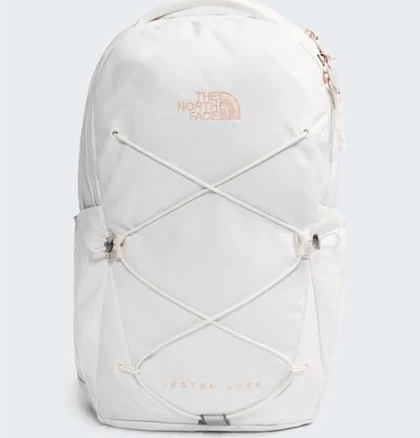
The North Face Jester Luxe Backpack
Stop until The North Face reveals its water-repellent coating chemistry; standard coatings often contain PFAS.
The Jester Luxe uses nylon and polyester with a water-repellent coating finish to repel water, but The North Face won't say what chemical treatment it uses. Most mainstream water-repellent coating coatings have historically relied on PFAS, though some brands have switched to alternatives.
Still want this one anyway? Check the price on Amazon. We’d swap it.
Material
Nylon/polyester with water-repellent coating (water-repellent coating) coating
Lab data
No public lab test
You may also be interested in
Top-graded picks in the categories readers replace first, every one scored on the same rubric.

- polypropylene filter housing, carbon/sediment cartridge
- We found no PFAS statement from the brand
- Bacterial growth in spent cartridges
3 hazards checked on this product, all on its full breakdown.

Aquasure
Premier Series 75 GPD Under Sink Reverse Osmosis Water Filtration System
- RO membrane, carbon filters, stainless steel housing
- We found no PFAS statement from the brand
- Bacterial and microbial growth in housing and filters
4 hazards checked on this product, all on its full breakdown.

Avocado
Vegan Mattress
- organic cotton, natural latex, coconut coir, recycled steel coils
- The brand calls it PFAS-free, which we have not verified
- Heavy metals
2 hazards checked on this product, all on its full breakdown.
What The North Face Jester Luxe Backpack is made of, ingredients and materials
The Jester Luxe combines nylon and polyester fabrics with a water-repellent coating (water-repellent coating) coating applied to the exterior. water-repellent coating coatings historically relied on long-chain fluorinated compounds (PFAS) to achieve water resistance, though newer formulations exist. The North Face has not publicly specified which chemistry is used in this model. Nylon and polyester themselves are stable synthetic polymers with no known leaching risk under normal backpack use conditions.
What’s concerning
Category baseline
The starting point for this type of product, before anything specific to this product is counted.
No PFAS disclosure
No public statement from the brand about PFAS in this product.
Waterproof / stain-resistant treatment
Water-repellent coating treatments have historically used PFAS.
PFAS
The coating chemistry is not disclosed by The North Face. Standard water-repellent coating processes historically use PFAS; newer alternatives exist but are not confirmed for this model. This is a known information gap, not a proven hazard.
Source, ATSDR ↗Microplastic shedding from synthetic fibers
Washing nylon and polyester backpacks releases microplastic fibers into water. For a backpack this is a secondary environmental concern rather than direct user hazard, but prolonged contact with skin (shoulder straps) could theoretically increase fiber abrasion over years of use.
What’s reassuring
Formaldehyde / VOCs
Nylon and polyester fabrics can be treated with formaldehyde-releasing resins for wrinkle resistance or dye fixation. The North Face typically uses non-formaldehyde finishes in mid-range outdoor gear, but no explicit certification for this specific backpack is on record. Risk is low but not ruled out.
Source, ATSDR ↗Azo dyes in colored fabrics
The Jester Luxe is available in multiple colors. Azo dyes can break down into carcinogenic amines under certain conditions (heavy sweating, abrasion). This is a low-risk concern for backpacks that do not contact skin directly, but dyes are not independently tested for this model.
Coating degradation and particle inhalation
As water-repellent coating degrades from wear and cleaning, fine particles may shed. No established health outcome data exists for inhaling degraded water-repellent coating coatings, but avoiding unnecessary exposure through frequent re-coating is prudent.
How is this PFAS grade calculated?
The brand's record and disclosure
The North Face has not published a commitment to PFAS-free water-repellent coating coatings or disclosed specific chemistry for individual products as of publicly available information. The brand belongs to VF Corporation, which has faced pressure from environmental groups regarding PFAS in outdoor apparel but has not made binding timeline commitments to eliminate PFAS across all products. No major safety recalls or contamination incidents specific to Jester backpacks have been documented. The lack of transparency on water-repellent coating formulation is the primary disclosure gap relevant to this product.
How it compares in its category
Most mid-range and premium backpacks use similar water-repellent coating-coated nylon or polyester; this is industry standard practice. Competitors like Osprey and Arc'teryx have begun disclosing commitment to PFAS-free alternatives, though many have not completed full transitions. Budget backpacks often use cheaper polyester with minimal or no water-repellent coating, reducing PFAS risk but sacrificing water resistance. The Jester Luxe sits in the mainstream category where water-repellent coating opacity is common; it is not a standout for either transparency or hazard avoidance.
If you buy it
Clean the exterior with cool water and mild soap; avoid dry cleaning and high-heat drying, which can degrade both fabric and coating. Do not expose the backpack to direct flame or very high heat sources, as polyester can melt and coating integrity may degrade. Store in a dry place to prevent mildew growth in seams and pockets. The water-repellent coating will degrade with use and washing; expect to reapply commercial water-repellent coating treatments every 1-2 years if you want to maintain water resistance, though this introduces additional chemical exposure.
What is not known about PFAS in this product?
- Basis
- Model estimate, 45% confidence, not a lab result
- Lab test
- None on record for this exact product
- Brand statement
- The North Face has made a specific claim
Formulations change between production runs, so check the current label. How we grade.
What are the PFAS-free alternatives to The North Face Jester Luxe Backpack?
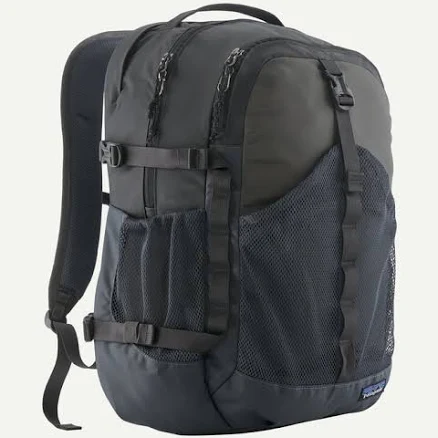
- Nylon/polyester blend with water-repellent coating (water-repellent coating) treatment
- The brand calls it PFAS-free, which we have not verified
- PFAS
3 hazards checked on this product, all on its full breakdown.
Find an alternative on Amazon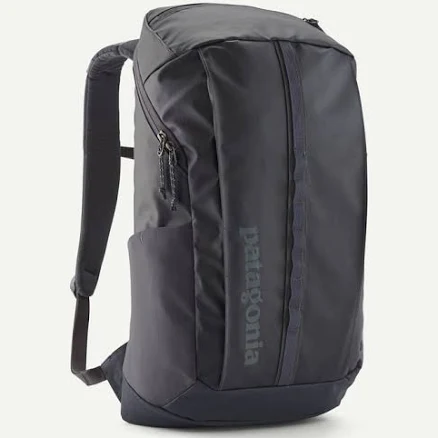
- nylon/polyester pack with water-repellent coating
- The brand calls it PFAS-free, which we have not verified
- PFAS
2 hazards checked on this product, all on its full breakdown.
Find an alternative on AmazonMore backpacks grades
How we score, every product runs through the same public 0-100 rubric based on materials, coatings, brand disclosure, lab findings, and recalls. See the full methodology → Spotted a mistake? Report an error.