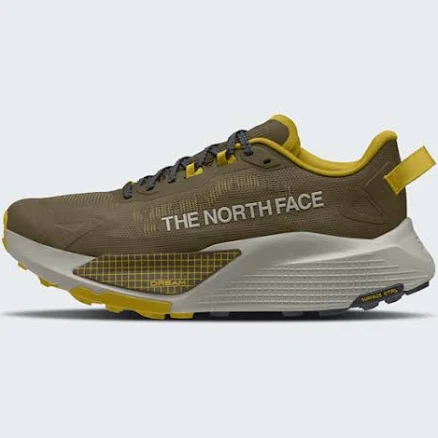
The North Face · Running & Athletic Shoes
The North Face Men's Altamesa 500 V2
No coating described, and no PFAS statement from the brand.
The product information we reviewed describes mesh textile upper, foam midsole, rubber outsole, with no water-repellent coating named. Water resistance on products like this usually comes from the material and its seals rather than a surface treatment. The brand has published no PFAS statement for it.
Still want this one anyway? Check the price on Amazon. We’d swap it.
Material
Mesh textile upper, foam midsole, rubber outsole
Lab data
No public lab test
You may also be interested in
Top-graded picks in the categories readers replace first, every one scored on the same rubric.

- polypropylene filter housing, carbon/sediment cartridge
- We found no PFAS statement from the brand
- Bacterial growth in spent cartridges
3 hazards checked on this product, all on its full breakdown.

Aquasure
Premier Series 75 GPD Under Sink Reverse Osmosis Water Filtration System
- RO membrane, carbon filters, stainless steel housing
- We found no PFAS statement from the brand
- Bacterial and microbial growth in housing and filters
4 hazards checked on this product, all on its full breakdown.

Avocado
Vegan Mattress
- organic cotton, natural latex, coconut coir, recycled steel coils
- The brand calls it PFAS-free, which we have not verified
- Heavy metals
2 hazards checked on this product, all on its full breakdown.
What The North Face Men's Altamesa 500 V2 is made of, ingredients and materials
The Altamesa 500 V2 uses a mesh textile upper, which is typically polyester or nylon blended with synthetic fibers, paired with a foam midsole (likely EVA or similar polyurethane-based compound) and rubber outsole. Mesh uppers are breathable and minimize risk of chemical leaching compared to coated synthetics, since they lack waterproofing membranes or adhesive-heavy laminations. The foam midsole is inert once cured and does not off-gas significantly under normal wear conditions. Rubber outsoles are chemically stable and do not migrate into skin or sweat under typical athletic use.
What’s concerning
Category baseline
The starting point for this type of product, before anything specific to this product is counted.
No PFAS disclosure
No public statement from the brand about PFAS in this product.
Azo dyes in synthetic textiles
Mesh uppers may contain azo dyes, which are not prohibited in U.S. footwear but can release aromatic amines under sweat or friction. The North Face does not publicly disclose dye restrictions for this model; risk is low if dyes meet international standards, but cannot be ruled out without testing.
Formaldehyde / VOCs
Adhesives used to bond mesh panels or attach reinforcements may contain formaldehyde-releasing compounds. Off-gassing is typically minimal in outdoor footwear with good ventilation, but cannot be confirmed without material specifications from the manufacturer.
Source, ATSDR ↗What’s reassuring
Base material not linked to PFAS
The main material recorded for this product is not one associated with PFAS.
Heavy metals
No recalls or reports of heavy metal contamination in The North Face footwear on public record. Mesh textiles and rubber outsoles do not inherently concentrate metals, and pigments in casual athletic shoes are not a documented concern for this brand.
Source, FDA ↗EVA/polyurethane foam degradation and off-gassing
Foam midsoles are inert once cured and do not off-gas volatile organic compounds (VOCs) under normal wear or storage conditions. Breakdown occurs after prolonged use or heat, but does not present acute chemical exposure risk during typical athletic use.
Antimony in synthetic polyester fibers
Polyester textiles may contain antimony as a catalyst residue in very small quantities, but levels in apparel-grade mesh are far below dermal exposure thresholds and are not a documented concern in athletic footwear.
How is this PFAS grade calculated?
The brand's record and disclosure
The North Face has not issued a public PFAS statement specific to footwear, though the brand has faced environmental scrutiny over supply-chain practices and fabric treatments in other product lines. No major recalls for chemical contamination in athletic shoes have been documented for this model or brand in public records. The company does not routinely disclose full chemical formulations for finished footwear, which is standard industry practice but limits independent verification of specific restrictions like azo dyes or formaldehyde resins in textiles.
How it compares in its category
Running shoes with mesh uppers are among the lowest-concern footwear types from a chemical exposure perspective, since mesh construction avoids waterproofing coatings and synthetic leather laminates that often contain heavy plasticizers or formaldehyde-based binders. The Altamesa 500 V2 sits in the mainstream athletic market and does not market itself as a 'clean' or chemically restricted product, so it follows conventional manufacturing without additional third-party certification (e.g., OEKO-TEX or Bluesign). Direct competitors with similar construction carry comparable hazard profiles.
If you buy it
Wash and air-dry the shoes regularly to prevent bacterial or fungal buildup in foam padding, which is not a chemical hazard but a practical maintenance concern. Avoid prolonged heat exposure (dishwashers, direct sun) that could degrade adhesives or cause foam to off-gas, though risk is low under normal storage. Replace when midsole loses compression or upper mesh separates, typically 300-500 miles depending on use. Store in a cool, dry place to extend the life of foam and prevent odor.
What is not known about PFAS in this product?
- Basis
- Model estimate, 35% confidence, not a lab result
- Lab test
- None on record for this exact product
- Brand statement
- The North Face has made a specific claim
Formulations change between production runs, so check the current label. How we grade.
More running & athletic shoes grades
How we score, every product runs through the same public 0-100 rubric based on materials, coatings, brand disclosure, lab findings, and recalls. See the full methodology → Spotted a mistake? Report an error.