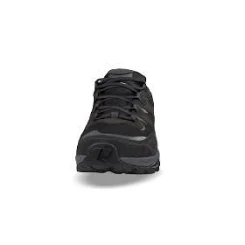
The North Face · Running & Athletic Shoes
The North Face Men's Hedgehog 3 Waterproof Shoes
Waterproof hiking shoe. Brand silent on PFAS in water-repellent coating treatment.
The North Face does not publicly disclose PFAS chemistry in the Hedgehog 3's waterproofing. Waterproof footwear typically uses PFAS-based water-repellent coating coatings, though some brands now offer PFAS-free alternatives. Request material specs directly from brand for certainty.
Still want this one anyway? Check the price on Amazon. We’d swap it.
Material
Textile upper with waterproof coating, rubber sole
Lab data
No public lab test
You may also be interested in
Top-graded picks in the categories readers replace first, every one scored on the same rubric.

- polypropylene filter housing, carbon/sediment cartridge
- We found no PFAS statement from the brand
- Bacterial growth in spent cartridges
3 hazards checked on this product, all on its full breakdown.

Aquasure
Premier Series 75 GPD Under Sink Reverse Osmosis Water Filtration System
- RO membrane, carbon filters, stainless steel housing
- We found no PFAS statement from the brand
- Bacterial and microbial growth in housing and filters
4 hazards checked on this product, all on its full breakdown.

Avocado
Vegan Mattress
- organic cotton, natural latex, coconut coir, recycled steel coils
- The brand calls it PFAS-free, which we have not verified
- Heavy metals
2 hazards checked on this product, all on its full breakdown.
What The North Face Men's Waterproof Shoes is made of, ingredients and materials
The Hedgehog 3 uses a textile upper with a waterproof coating (likely polyurethane or similar polymer membrane) bonded to the fabric, plus a rubber sole. The waterproof treatment typically relies on water-repellent coating (water-repellent coating) finishes applied to the outside, which in most hiking footwear still contain fluorinated compounds (PFAS) despite industry pressure to phase them out. The textile itself may include polyester or nylon with potential for formaldehyde-based finishing resins, though levels in shoes are generally lower than apparel worn against skin.
What’s concerning
Waterproof / stain-resistant treatment
Water-repellent coating treatments have historically used PFAS.
Category baseline
The starting point for this type of product, before anything specific to this product is counted.
No PFAS disclosure
No public statement from the brand about PFAS in this product.
Formaldehyde / VOCs
Textile uppers may be treated with formaldehyde-based resins for wrinkle resistance or durability; however, formaldehyde off-gassing is minimal in footwear since the treated surface is not worn directly against prolonged skin contact like clothing. New shoes may have detectable odor but this typically dissipates within days of airing.
Source, ATSDR ↗Waterproof coating degradation and leachables
Polyurethane and similar polymer coatings can break down over time with heat, UV exposure, and repeated flexing. As the coating degrades, small polymer particles and adhesive residues may shed internally, though exposure is primarily hand/foot contact rather than ingestion. This is a durability issue as much as a chemical one.
Azo dyes in textile dyeing
The shoe's textile upper is likely dyed; some azo dyes can release hazardous amines under certain conditions (sweat, heat). Reputable footwear manufacturers typically screen for restricted azo dyes, and The North Face is a major brand subject to standard compliance, but no specific testing data for this model is publicly available. Risk is low but not zero.
water-repellent coating shedding and microparticles
Fluorinated water-repellent coating coatings applied to textiles can shed microscopic particles over the lifetime of the shoe, particularly with washing and abrasion. This is distinct from PFAS leaching and represents a microparticle hazard rather than chemical migration, though the mechanism and health significance remain understudied.
What’s reassuring
Rubber sole allergens and additives
Modern hiking shoe soles use synthetic rubber or rubber blends with accelerators and antioxidant additives. Allergic reactions to rubber components are rare and not documented for this product line. Latex allergy is not a concern with synthetic rubbers used in contemporary footwear.
How is this PFAS grade calculated?
The brand's record and disclosure
The North Face has not publicly disclosed its PFAS phase-out timeline or alternative water-repellent coating chemistry for most footwear lines, including this model. The brand has made sustainability commitments on materials sourcing and carbon, but remains silent on fluorinated water repellents specifically. No major recalls or chemical hazard violations are on public record for this shoe model. This silence is typical across the hiking footwear category and reflects industry-wide reluctance to commit to PFAS elimination.
How it compares in its category
Most waterproof hiking shoes at this price point ($100-150 range) use conventional PFAS-based water-repellent coating, so the Hedgehog 3 is not an outlier. A small number of brands (Salomon, some Merrell lines) now market PFAS-free or PFC-free versions, though at higher cost and sometimes with reduced water-beading performance. Non-waterproof trail shoes eliminate the water-repellent coating hazard entirely but sacrifice protection in wet conditions. The textile and rubber hazard profiles are standard for the category.
If you buy it
Avoid exposing the shoes to high heat (dishwasher, direct heat drying) as this can degrade the waterproof membrane and potentially increase leaching of coating components. Re-apply consumer water-repellent coating treatments (alternatives with lower concern for PFAS are available) every 6-12 months rather than relying solely on factory coating, which degrades with wear and washing. Replace the shoes after 300-500 miles of use or when the sole shows significant wear, as structural breakdown can compromise the waterproof seal. Wash in cool water with mild soap and air dry to extend the coating lifespan.
What is not known about PFAS in this product?
- Basis
- Model estimate, 45% confidence, not a lab result
- Lab test
- None on record for this exact product
- Brand statement
- The North Face has made a specific claim
Formulations change between production runs, so check the current label. How we grade.
What are the PFAS-free alternatives to The North Face Men's Hedgehog 3 Waterproof Shoes?
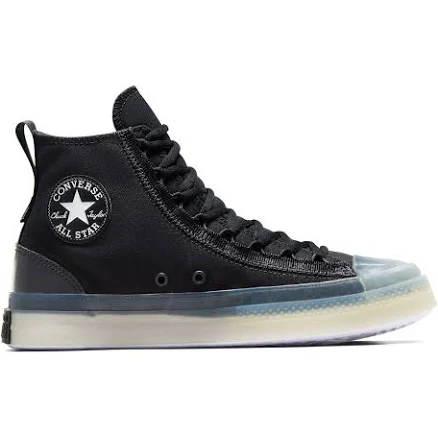
- Canvas upper, rubber sole
- We found no PFAS statement from the brand
- Azo dyes in canvas
2 hazards checked on this product, all on its full breakdown.
Find an alternative on Amazon
- Canvas, rubber sole
- We found no PFAS statement from the brand
- Azo dyes and synthetic dyes
4 hazards checked on this product, all on its full breakdown.
Find an alternative on Amazon
- Mesh upper, Fresh Foam midsole, rubber outsole
- We found no PFAS statement from the brand
- Azo dyes and color-based toxins
2 hazards checked on this product, all on its full breakdown.
Find an alternative on AmazonMore running & athletic shoes grades
How we score, every product runs through the same public 0-100 rubric based on materials, coatings, brand disclosure, lab findings, and recalls. See the full methodology → Spotted a mistake? Report an error.