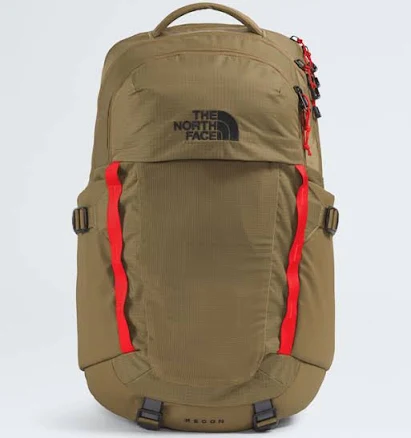
The North Face Recon Backpack
Lower concern than older water-repellent coating packs, but The North Face hasn't confirmed PFAS phase-out.
The Recon uses water-repellent coating typical of outdoor packs, a category historically tied to PFAS. The North Face hasn't publicly committed to a PFAS policy or confirmed PFAS-free alternatives for this model. No third-party testing or brand claims verify lower risk.
Still want this one anyway? Check the price on Amazon. We’d swap it.
Material
nylon/polyester blend with water-repellent coating water-resistant treatment
Lab data
No public lab test
You may also be interested in
Top-graded picks in the categories readers replace first, every one scored on the same rubric.

- polypropylene filter housing, carbon/sediment cartridge
- We found no PFAS statement from the brand
- Bacterial growth in spent cartridges
3 hazards checked on this product, all on its full breakdown.

Aquasure
Premier Series 75 GPD Under Sink Reverse Osmosis Water Filtration System
- RO membrane, carbon filters, stainless steel housing
- We found no PFAS statement from the brand
- Bacterial and microbial growth in housing and filters
4 hazards checked on this product, all on its full breakdown.

Avocado
Vegan Mattress
- organic cotton, natural latex, coconut coir, recycled steel coils
- The brand calls it PFAS-free, which we have not verified
- Heavy metals
2 hazards checked on this product, all on its full breakdown.
What The North Face Recon Backpack is made of, ingredients and materials
The Recon uses a nylon/polyester blend with a water-repellent coating (water-repellent coating) finish applied to the exterior. Modern water-repellent coating treatments on outdoor gear have shifted away from legacy long-chain PFAS (like PFOA) toward shorter-chain variants or non-fluorinated alternatives, though The North Face has not publicly detailed which chemistry they use on this model. Nylon and polyester themselves are stable synthetic polymers with low leaching risk under normal carrying and storage conditions; the water-repellent coating is the material of concern.
What’s concerning
Category baseline
The starting point for this type of product, before anything specific to this product is counted.
No PFAS disclosure
No public statement from the brand about PFAS in this product.
Waterproof / stain-resistant treatment
Water-repellent coating treatments have historically used PFAS.
water-repellent coating degradation and leaching
Water-repellent coatings degrade over years of UV and wear; as coating breaks down, microscopic particles or residual treatment chemicals may migrate, particularly if the pack is washed frequently or exposed to heat. Risk is low under normal use but increases with age and maintenance practices.
Volatile organic compounds (VOCs) from materials and adhesives
New nylon, polyester, and adhesives used to bond seams release VOCs during manufacturing and early storage. The Recon may have a chemical smell out of the box; off-gassing is mild and declines rapidly with airing, but sensitive individuals should air it outdoors for 24-48 hours before extended contact.
PFAS
The North Face has not disclosed whether the Recon uses fluorinated or non-fluorinated water-repellent coating. If fluorinated, PFAS accumulation is assessed separately at 20/100 safety; normal use poses low exposure, but the brand's silence on phase-out is a transparency gap.
Source, ATSDR ↗What’s reassuring
Microplastics
Nylon and polyester fibers can shed during use and washing, especially at seams or abrasion points. The Recon itself has not been studied for microplastic release, and risk is minor compared to washing synthetic apparel, but washing the pack could contribute minute quantities to wastewater.
Source, EPA ↗Heavy metals
No specific contamination reports exist for The North Face Recon. Commercial nylon and polyester used in outdoor gear typically undergo quality checks, but dyes and mordants can occasionally contain trace metals; risk is low but not independently verified for this product.
Source, FDA ↗How is this PFAS grade calculated?
The brand's record and disclosure
The North Face (owned by VF Corporation) has not issued a public commitment to eliminate PFAS from all products or published a timeline for phase-out, which is notable given competitor transparency from brands like Patagonia and Arc'teryx. The company does use some bluesign-certified or recycled materials in select lines, signaling environmental awareness, but PFAS policy remains undisclosed. No major safety recalls tied to chemical contamination have been recorded for the Recon backpack specifically.
How it compares in its category
Mid-range outdoor backpacks in this price and function tier typically use similar nylon/polyester water-repellent coating blends; the Recon is not an outlier in material chemistry. Higher-end alternatives (Osprey, Arc'teryx) sometimes explicitly market non-fluorinated water-repellent coating; budget packs may use cheaper or older fluorinated coatings. The Recon sits in a middle zone where water-repellent coating chemistry is likely improved over 10-year-old stock but transparency is absent.
If you buy it
Normal use (carrying, hiking, occasional rain exposure) poses negligible risk from the water-repellent coating treatment; the hazard is primarily occupational (factory workers or heavy outdoor use in degraded conditions). Avoid machine washing in hot water, which can accelerate water-repellent coating breakdown and potential leaching; hand rinse or gentle cold wash if needed. Store dry and out of direct sunlight to extend water-repellent coating life and reduce coating stress. If the pack will be used for extended periods in wet environments or shows visible coating wear, re-application or replacement after 5-7 years is reasonable for both performance and precaution.
What is not known about PFAS in this product?
- Basis
- Model estimate, 45% confidence, not a lab result
- Lab test
- None on record for this exact product
- Brand statement
- The North Face has made a specific claim
Formulations change between production runs, so check the current label. How we grade.
What are the PFAS-free alternatives to The North Face Recon Backpack?
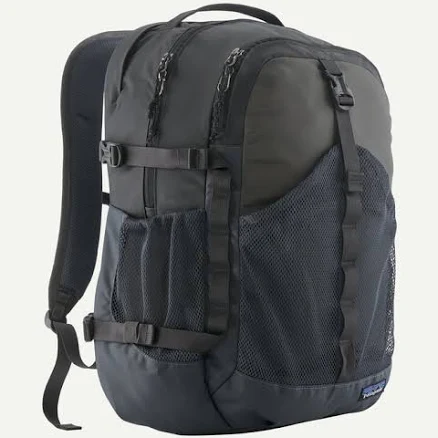
- Nylon/polyester blend with water-repellent coating (water-repellent coating) treatment
- The brand calls it PFAS-free, which we have not verified
- PFAS
3 hazards checked on this product, all on its full breakdown.
Find an alternative on Amazon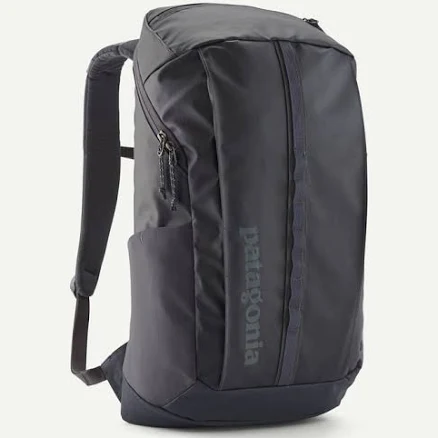
- nylon/polyester pack with water-repellent coating
- The brand calls it PFAS-free, which we have not verified
- PFAS
2 hazards checked on this product, all on its full breakdown.
Find an alternative on AmazonMore backpacks grades
How we score, every product runs through the same public 0-100 rubric based on materials, coatings, brand disclosure, lab findings, and recalls. See the full methodology → Spotted a mistake? Report an error.