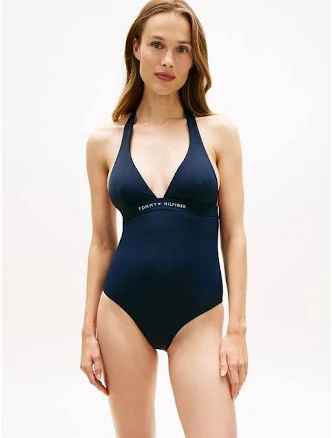
Tommy Hilfiger Women's Hilfiger Logo Halter One-Piece Swimsuit
Lower PFAS concern; standard nylon swimsuit with no disclosed treatments.
Basic nylon halter one-piece lacks documented water-repellent or stain-resistant coating. Tommy Hilfiger makes no PFAS claims; confidence is moderate.
The better-graded swap
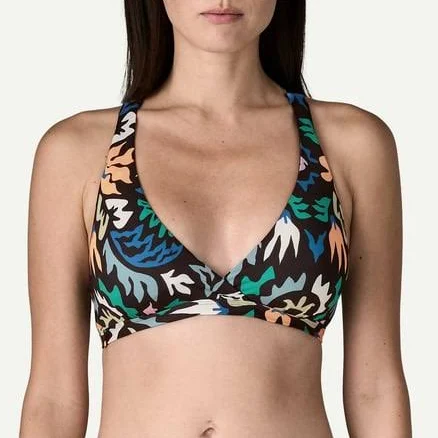
Patagonia
Patagonia Women's Bottom Turn Racerback Bikini Top
90/100 safety
Same rubric that flunked this product. The swap earned Excellent.
Still want this one anyway? Check the price on Amazon. We’d swap it.
Material
Nylon blend swimsuit fabric, no documented water-repellent coating specified
Brand disclosure
Brand is silent on PFAS
Lab data
No public lab test
What Tommy Hilfiger Women's Hilfiger Logo is made of, ingredients and materials
This swimsuit is a nylon blend, a synthetic polymer widely used in swimwear because it is water-resistant, durable, and quick-drying by design. Nylon itself does not leach harmful chemicals into water or skin under normal use. The halter one-piece construction means no elastic or metal hardware in sensitive areas; the main concern would be dyes used in the fabric and any finishes applied during manufacturing, but no water-repellent coating is documented, which removes the primary source of PFAS in modern swimwear.
What’s concerning
Category baseline
The starting point for this type of product, before anything specific to this product is counted.
No PFAS disclosure
No public statement from the brand about PFAS in this product.
Azo dyes and colorant migration
Nylon swimsuits are typically dyed with acid or reactive dyes. Low-quality batches may use azo dyes that can release aromatic amines if fabric is exposed to prolonged sweat, chlorine, or heat; Tommy Hilfiger does not publish dye standards for this line. Risk is minimized by rinsing and cool-water washing.
Microplastics
Nylon sheds microfibers when washed, especially in the first few wears. Wearing and washing a nylon swimsuit contributes to microplastic pollution; this is not unique to Tommy Hilfiger but is inherent to the material category. Using a wash bag can reduce fiber release.
Source, EPA ↗Skin sensitization from residual processing chemicals
Swimsuits may retain small amounts of residual dyes, sizing agents, or anti-static compounds from manufacturing. Rinsing thoroughly before first wear and in cool water reduces the likelihood of contact dermatitis in sensitive individuals.
What’s reassuring
Base material not linked to PFAS
The main material recorded for this product is not one associated with PFAS.
Formaldehyde / VOCs
No formaldehyde-containing wrinkle-resist or antimicrobial finishes are documented on standard nylon swimwear. This product is not stated to have such treatments, so formaldehyde risk is not elevated.
Source, ATSDR ↗Heavy metals
The halter design with simple metal hardware (likely nickel-plated steel or aluminum) poses low heavy-metal leaching risk in a swimsuit context. No lead or cadmium contamination has been reported in Tommy Hilfiger swimwear.
Source, FDA ↗The full breakdown
The brand's record and disclosure
Tommy Hilfiger is a mainstream fashion brand owned by PVH Corp. The company has not published detailed chemical restriction policies specific to swimwear and does not disclose whether fabric dyes meet GOTS or OEKO-TEX standards for this product line. No major recalls for chemical contamination in Tommy Hilfiger swimwear have been documented in public records. The brand's silence on material certifications is typical for mass-market swimwear but does not indicate a known problem.
How it compares in its category
Standard nylon swimsuits from major brands (Tommy Hilfiger, Calvin Klein, Ralph Lauren) occupy the middle tier of the swimwear market. They lack the transparency and third-party chemical certifications of premium eco-brands like Patagonia or Summersalt, but also typically avoid performance coatings (silver-ion antimicrobials, water-repellent coating finishes) that introduce additional chemical exposure. This product is comparable to mass-market alternatives in chemical risk profile and slightly above budget brands in manufacturing consistency.
If you buy it
Rinse the swimsuit in fresh water after each use to remove chlorine, salt, and any loose dyes; this is standard care and reduces skin irritation. Wash in cool water with mild detergent and air-dry; do not use bleach or hot water, which can degrade the nylon and potentially release residual dyes. Replace the suit after 2-3 seasons of regular use (roughly 50-75 wears), as UV exposure and chlorine cause nylon to become brittle and lose elasticity. Store in a dry place away from direct sunlight to slow degradation.
What we don’t know
- Basis
- Model estimate, 72% confidence, not a lab result
- Lab test
- None on record for this exact product
- Brand statement
- Tommy Hilfiger has made none
Formulations change between production runs, so check the current label. How we grade.
Better-graded alternatives in Swimwear
Patagonia
Women's Bottom Turn Racerback Bikini Top
- Nylon/polyester blend with elastane (standard swimwear)
- The brand calls it PFAS-free, which we have not verified
- Elastane (spandex) degradation under heat or chlorine
More swimwear grades
How we score, every product runs through the same public 0-100 rubric based on materials, coatings, brand disclosure, lab findings, and recalls. See the full methodology → Spotted a mistake? Report an error.