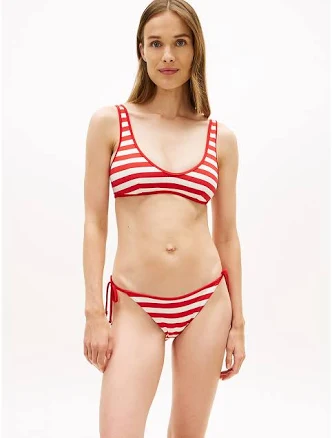
Tommy Hilfiger Women's Stripe Bikini Top
Low concern for PFAS, though brand lacks transparency on practices.
This basic nylon bikini top has no added water-repellent or stain-resistant coatings that typically introduce PFAS. Tommy Hilfiger offers no public information on chemical safety or testing.
The better-graded swap
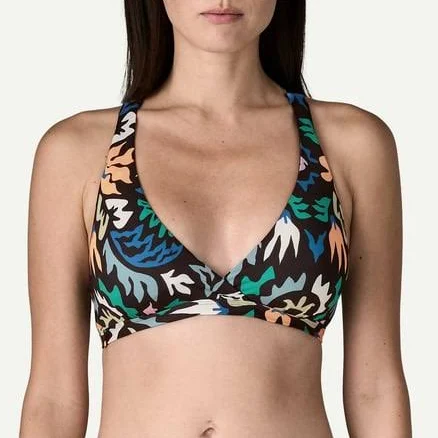
Patagonia
Patagonia Women's Bottom Turn Racerback Bikini Top
90/100 safety
Same rubric that flunked this product. The swap earned Excellent.
Still want this one anyway? Check the price on Amazon. We’d swap it.
Material
Nylon/polyamide blend (typical for swimwear)
Brand disclosure
Brand is silent on PFAS
Lab data
No public lab test
What Tommy Hilfiger Women's Stripe Bikini Top is made of, ingredients and materials
This bikini top is nylon/polyamide blend, the industry standard for swimwear because it resists chlorine, salt water, and UV better than cotton. Nylon itself is a synthetic polymer with no known leaching of heavy metals or hormone disruptors under normal wear. The dye system and any elastic components (spandex) are where minor chemical exposure could occur, though modern swimwear dyes are tightly regulated in most markets.
What’s concerning
Category baseline
The starting point for this type of product, before anything specific to this product is counted.
No PFAS disclosure
No public statement from the brand about PFAS in this product.
Azo dyes
Swimwear dyes are regulated in EU and US markets to exclude carcinogenic azo dyes, but Tommy Hilfiger does not publicly disclose supplier or dye testing. Risk is low for consumer contact (skin exposure to dried dye is minimal), but manufacturing workers face higher exposure if non-compliant dyes are used.
Spandex/elastic degradation and leaching
Spandex (polyurethane) can degrade under UV and chlorine, potentially releasing oligomers. This happens slowly with normal care but accelerates with improper washing or storage in direct sunlight. Risk is minor for occasional wear but cumulative for frequent swimmers.
Dye transfer and skin sensitivity
Dark-dyed nylon swimwear occasionally releases excess dye in first washes, which can stain skin or irritate sensitive areas. Pre-rinsing cold water before wear reduces this risk significantly. Individual contact dermatitis from dyes is rare but possible, especially in people with sensitive skin.
Microplastics
Nylon fibers shed slightly with use and washing, contributing to aquatic microplastic pollution. This is inherent to synthetic swimwear and not unique to this brand; natural or recycled alternatives reduce this but are less durable in chlorine.
Source, EPA ↗What’s reassuring
Base material not linked to PFAS
The main material recorded for this product is not one associated with PFAS.
Formaldehyde / VOCs
Modern swimwear typically avoids formaldehyde-based curing resins because they interfere with elasticity and water resistance. No public record of formaldehyde finish issues in Tommy Hilfiger swimwear; unlikely given material class.
Source, ATSDR ↗The full breakdown
The brand's record and disclosure
Tommy Hilfiger is a major apparel brand owned by PVH Corp. The brand does not publicly disclose detailed chemical management or dye supplier vetting practices, which is typical of mid-market fashion companies but weaker than outdoor or premium athletic brands. No documented controversies or recalls for this product line exist on public record. The brand has not signed the ZDHC Gateway or similar chemical transparency commitments.
How it compares in its category
Nylon/spandex blends are the norm in mass-market swimwear and carry the same chemical profile as competitors at this price point. Eco-certified alternatives (recycled nylon, GOTS organic cotton blends) exist but cost more and are less chlorine-durable. Tommy Hilfiger swimwear sits in the middle tier, standard chemistry, no apparent quality or chemical control issues, and lower cost than performance or sustainable brands.
If you buy it
Rinse thoroughly in fresh water after each use and air-dry away from direct heat; this extends dye stability and prevents salt/chlorine buildup that can accelerate fabric breakdown. Avoid bleach and high-temperature machine drying, which can degrade spandex. Replace after 2-3 seasons of regular use as UV and chlorine degrade nylon over time. Wash separately or with similar dark colors to avoid dye transfer, especially on first wear.
What we don’t know
- Basis
- Model estimate, 72% confidence, not a lab result
- Lab test
- None on record for this exact product
- Brand statement
- Tommy Hilfiger has made none
Formulations change between production runs, so check the current label. How we grade.
Better-graded alternatives in Swimwear
Patagonia
Women's Bottom Turn Racerback Bikini Top
- Nylon/polyester blend with elastane (standard swimwear)
- The brand calls it PFAS-free, which we have not verified
- Elastane (spandex) degradation under heat or chlorine
More swimwear grades
How we score, every product runs through the same public 0-100 rubric based on materials, coatings, brand disclosure, lab findings, and recalls. See the full methodology → Spotted a mistake? Report an error.