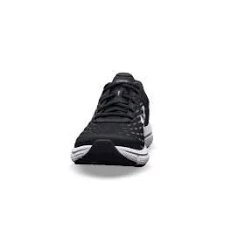
Under Armour · Running & Athletic Shoes
Under Armour Men's Charged Assert 10 Running Shoes
Skip until brand discloses waterproof treatment chemistry.
Running shoes typically use water-repellent coating-treated synthetic uppers, commonly PFAS-based. Under Armour makes no public PFAS disclosure for this model, leaving treatment unknown and moderate risk unresolved.
Still want this one anyway? Check the price on Amazon. We’d swap it.
Material
synthetic mesh, EVA foam, rubber outsole, water-repellent treated upper
Brand disclosure
Brand is silent on PFAS
Lab data
No public lab test
What Under Armour Men's Charged Assert 10 is made of, ingredients and materials
The Charged Assert 10 uses synthetic mesh uppers, EVA foam midsoles, and rubber outsoles. The upper carries a water-repellent treatment that Under Armour does not publicly specify by chemistry. EVA foam is a standard, non-toxic cushioning material; rubber outsoles pose no known leaching risk. The unknown composition of the water repellent is the material-level concern here.
What’s concerning
Waterproof / stain-resistant treatment
Water-repellent coating treatments have historically used PFAS.
Category baseline
The starting point for this type of product, before anything specific to this product is counted.
No PFAS disclosure
No public statement from the brand about PFAS in this product.
Azo dyes in synthetic mesh upper
Synthetic mesh uppers in consumer footwear may be dyed with azo colorants, which can release carcinogenic amines under sweat exposure or wear. Under Armour does not publicly report dye chemistry for this model. Risk is standard across the category, not specific to this brand.
Antimony in polyester components
If any mesh or lining components are polyester (common in synthetic uppers), antimony catalyst residues may be present at trace levels from polyester synthesis. No specific test data for this shoe exists. This is a baseline risk for synthetic polyester textiles, not a known issue with Under Armour.
PFAS
Under Armour labels this shoe as water-repellent but does not disclose the chemistry. Industry standard for durable water repellency in athletic footwear is PFAS-based treatments. The grade 'Bad (20/100)' reflects this gap; the hazard is the unknown, not a confirmed PFAS identification.
Source, ATSDR ↗EVA foam off-gassing during break-in
EVA foam midsoles may emit low levels of volatile organic compounds during initial wear, particularly in warm conditions. This is typical and transient in new foam athletic shoes and not specific to this brand. Ventilation during first week of wear mitigates exposure.
What’s reassuring
Formaldehyde / VOCs
No formaldehyde resin treatments are recorded in synthetic mesh athletic shoes of this type. Formaldehyde concerns are higher in 100% cotton textiles; synthetic mesh does not typically require formaldehyde cross-linking.
Source, ATSDR ↗The full breakdown
The brand's record and disclosure
Under Armour has not published a PFAS disclosure policy or committed to PFAS-free footwear timelines, despite industry peers (Adidas, Nike, Puma) moving toward transparency or elimination. The brand is silent on the specific water-repellent chemistry used in this shoe. Without disclosure, the assumption that durable water repellency relies on PFAS compounds remains reasonable for athletic footwear at this price point.
How it compares in its category
Running shoes in this category typically use water-repellent treatments, and PFAS in coatings is widespread. Brands disclosing PFAS-free or low-PFAS alternatives (New Balance, some Adidas lines) exist but are less common in budget athletic ranges. Under Armour's silence places this shoe below peers that have committed to PFAS elimination or third-party testing.
If you buy it
Wash in cool water by hand or gentle cycle; heat accelerates EVA breakdown and may stress any coating. Replace when EVA cushioning no longer rebounds visibly after pressing or when rubber shows uneven wear. Air-dry away from direct heat or sunlight. If PFAS exposure concerns you, request Under Armour's water-repellent chemistry before purchase or choose brands with published PFAS-free claims.
What we don’t know
- Basis
- Model estimate, 42% confidence, not a lab result
- Lab test
- None on record for this exact product
- Brand statement
- Under Armour has made none
Formulations change between production runs, so check the current label. How we grade.
Better-graded alternatives in Running & Athletic Shoes
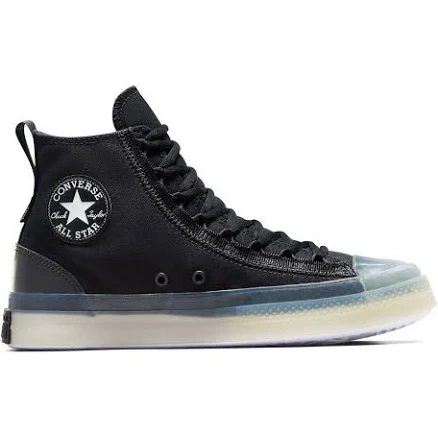
Converse
Chuck Taylor All Star Cx Exp2 4.5 Men A07199C
- Canvas upper, rubber sole
- We found no PFAS statement from the brand
- Azo dyes in canvas
2 hazards checked on this product. See all of them.
Converse
Run Star Trainer
- Canvas, rubber sole
- We found no PFAS statement from the brand
- Azo dyes and synthetic dyes
4 hazards checked on this product. See all of them.
New Balance
Women's Fresh Foam Arishi v4 Shoes
- Mesh upper, Fresh Foam midsole, rubber outsole
- We found no PFAS statement from the brand
- Azo dyes and color-based toxins
2 hazards checked on this product. See all of them.
More running & athletic shoes grades
How we score, every product runs through the same public 0-100 rubric based on materials, coatings, brand disclosure, lab findings, and recalls. See the full methodology → Spotted a mistake? Report an error.