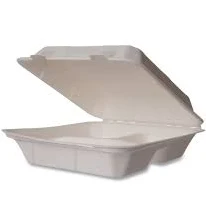
Vegware 5 in. x 9 in. x 2 in. Nourish Molded Fiber Compostable Sugarcane 3-Compartment Takeout Containers - White (200/Carton)
Lower concern; plant fiber containers rarely need PFAS, though Vegware hasn't disclosed its stance.
Sugarcane molded-fiber containers are uncoated plant pulp, a naturally lower-PFAS-risk material compared to coated paper or films. The brand makes no PFAS claims or offers third-party certifications, but molded fiber rarely requires water or grease repellency treatments.
We flunk more products than we pass. This one earned its grade. How we grade
Material
molded fiber (sugarcane pulp)
Brand disclosure
Brand is silent on PFAS
Lab data
No public lab test
You may also be interested in
Top-graded picks in the categories readers replace first, every one scored on the same rubric.

- polypropylene filter housing, carbon/sediment cartridge
- We found no PFAS statement from the brand
- Bacterial growth in spent cartridges
3 hazards checked on this product, all on its full breakdown.

Aquasure
Premier Series 75 GPD Under Sink Reverse Osmosis Water Filtration System
- RO membrane, carbon filters, stainless steel housing
- We found no PFAS statement from the brand
- Bacterial and microbial growth in housing and filters
4 hazards checked on this product, all on its full breakdown.

Avocado
Vegan Mattress
- organic cotton, natural latex, coconut coir, recycled steel coils
- The brand calls it PFAS-free, which we have not verified
- Heavy metals
2 hazards checked on this product, all on its full breakdown.
What Vegware 5 in. x 9 in. x 2 in. (200/Carton) is made of, ingredients and materials
Vegware's Nourish line uses molded fiber, pulped sugarcane (bagasse), as the primary substrate. Molded fiber is mechanically formed from plant cellulose with minimal chemical processing, making it fundamentally different from plastic or coated paper. The white color and water resistance typically rely on minor coating systems; Vegware publishes that their containers meet FDA food contact standards and are certified compostable (BPI and OK Compost Home), which requires independent validation of ink, coating, and fiber composition.
What’s concerning
Category baseline
The starting point for this type of product, before anything specific to this product is counted.
No PFAS disclosure
No public statement from the brand about PFAS in this product.
PFAS
Molded-fiber manufacturers often use fluorinated compounds to achieve grease and water repellency. Vegware does not disclose coating chemistry, so presence of legacy PFOA, PFOS, or shorter-chain PFAS alternatives cannot be ruled out, though plant-fiber substrates require lower coating volumes than plastic.
Source, ATSDR ↗Mineral oil and ink migration from printing
White containers with printed text or logos may use non-food-grade inks if standards are lax. Mineral oil from inks can migrate into fatty foods. Vegware's use of BPI certification (which includes ink testing) suggests mitigation, but specific ink chemistry is not disclosed.
Microplastic or fiber fragmentation when heated or abraded
Repeated contact with hot foods or mechanical wear (cutting, stacking pressure) can shed small cellulose fibers into food. Risk is low for single-use context but material degrades faster than plastic under stress.
Bacterial growth or mold if stored damp
Unlike waterproof plastics, molded fiber can absorb moisture and harbor pathogens if containers are stacked wet or exposed to humid conditions. Proper drying and ventilation before composting is important for food safety and compostability.
What’s reassuring
Base material not linked to PFAS
The main material recorded for this product is not one associated with PFAS.
Formaldehyde / VOCs
Molded fiber pulping does not typically require formaldehyde-based adhesives, but some manufacturers add small amounts to improve wet strength. No evidence of this practice in Vegware's Nourish line; compostability certification would likely flag this as a contaminant.
Source, ATSDR ↗How is this PFAS grade calculated?
The brand's record and disclosure
Vegware is a UK-based company with established certifications (ISO 14040 lifecycle assessment, FSC sourcing claims) and compostability credentials. However, the company does not publicly disclose detailed PFAS testing or chemical composition beyond regulatory compliance statements. No major recalls or health controversies are on record for this product line. Their silence on PFAS, while not unusual for plant-fiber manufacturers, means end-users cannot verify whether water-resistance coatings contain legacy PFOA or newer PFAS alternatives.
How it compares in its category
Molded fiber takeout containers have lower concern for plastic leaching, BPA, and phthalate risks compared to polystyrene and polyethylene terephthalate (PET) clamshells. Compared to bleached paperboard, molded fiber requires fewer wet-strength chemical additives. The main trade-off is that some molded-fiber suppliers do coat with fluorinated compounds (PFAS) for grease resistance; Vegware's silence on this makes direct comparison with transparently tested brands (e.g., World Centric) difficult.
If you buy it
These containers are single-use and designed for hot and cold foods up to typical takeout temperatures (no microwave or oven recommended by design). Do not reuse for storage or heat above 200F, as fiber integrity degrades and unknown coatings may degrade. Compostability is certified for industrial facilities; home composting is slower and may leave debris. Inspect containers for visible damage, staining, or chemical smell before first use; any off-odor suggests processing contaminants and warrants return.
What is not known about PFAS in this product?
- Basis
- Model estimate, 78% confidence, not a lab result
- Lab test
- None on record for this exact product
- Brand statement
- Vegware has made none
Formulations change between production runs, so check the current label. How we grade.
What are the PFAS-free alternatives to Vegware 5 in. x 9 in. x 2 in. Nourish Molded Fiber Compostable Sugarcane 3-Compartment Takeout Containers - White (200/Carton)?
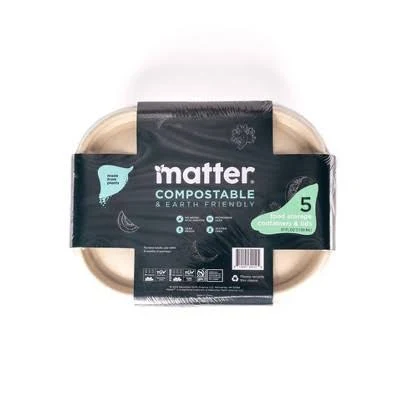
- Plant-based fiber pulp (compostable)
- A third party reports verifying it as PFAS-free
- Microbe/mold growth if stored damp
2 hazards checked on this product, all on its full breakdown.
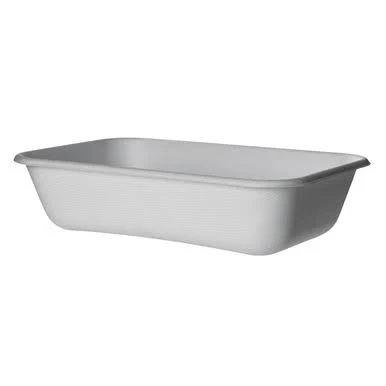
Eco-Products
Eco Products WorldView Compostable Take-Out Containers EP-SCRC32
- Plant-based fiber (compostable sugarcane bagasse)
- A third party reports verifying it as PFAS-free
- Bleaching agents and processing residues
3 hazards checked on this product, all on its full breakdown.
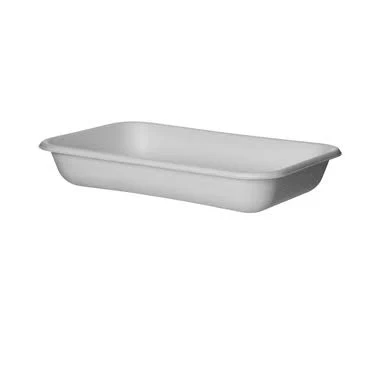
Eco-Products
WorldView Sugarcane Take-Out Containers
- Sugarcane bagasse (post-consumer fiber)
- A third party reports verifying it as PFAS-free
- Cellulose fiber degradation and food contact
2 hazards checked on this product, all on its full breakdown.
More food packaging grades
How we score, every product runs through the same public 0-100 rubric based on materials, coatings, brand disclosure, lab findings, and recalls. See the full methodology → Spotted a mistake? Report an error.