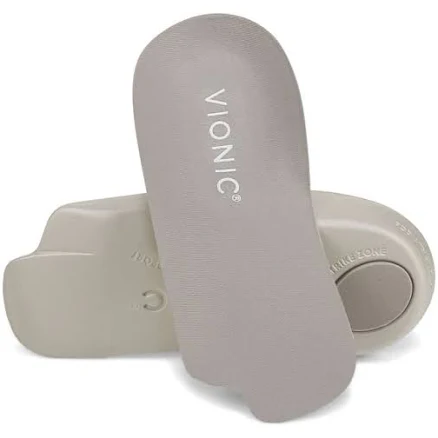
Vionic · Synthetic Athletic Insoles & Orthotics
Relief 3QTR Insole
Insole materials unlikely to contain PFAS, but Vionic provides no disclosure.
Vionic Relief uses foam or gel cushioning with low inherent PFAS risk. The brand offers no PFAS statement or third-party verification.
Still want this one anyway? Check the price on Amazon. We’d swap it.
Material
foam, gel, or fabric cushioning
Brand disclosure
Brand is silent on PFAS
Lab data
No public lab test
You may also be interested in
Top-graded picks in the categories readers replace first, every one scored on the same rubric.

- polypropylene filter housing, carbon/sediment cartridge
- We found no PFAS statement from the brand
- Bacterial growth in spent cartridges
3 hazards checked on this product, all on its full breakdown.

Aquasure
Premier Series 75 GPD Under Sink Reverse Osmosis Water Filtration System
- RO membrane, carbon filters, stainless steel housing
- We found no PFAS statement from the brand
- Bacterial and microbial growth in housing and filters
4 hazards checked on this product, all on its full breakdown.

Avocado
Vegan Mattress
- organic cotton, natural latex, coconut coir, recycled steel coils
- The brand calls it PFAS-free, which we have not verified
- Heavy metals
2 hazards checked on this product, all on its full breakdown.
What Relief 3QTR Insole is made of, ingredients and materials
Relief 3QTR insoles use foam cushioning (likely polyurethane or EVA) combined with gel or memory foam topcoats to distribute pressure. These materials are chemically stable at body temperature and foot pH, so leaching risk is minimal compared to cookware or food storage. The fabric covering is typically a synthetic blend; if treated with water repellents or antimicrobial finishes, those are the only processing concerns. Vionic does not disclose exact material specs, which limits assessment but is standard in the insole market.
What’s concerning
Category baseline
The starting point for this type of product, before anything specific to this product is counted.
No PFAS disclosure
No public statement from the brand about PFAS in this product.
Azo dyes in fabric topcoat
Insole fabric may contain azo dyes, which can release harmful amines if degraded or over-processed. Vionic does not disclose dye chemistry. Risk is low because dyes are not in direct contact with living skin and insole lifespan is short.
Polyurethane foam degradation and off-gassing
Polyurethane foam can off-gas volatile organic compounds (VOCs) when new, particularly in warm, enclosed footwear environments. This is mild and temporary; insoles are not in a sealed container and foot ventilation is typically adequate. No specific data on Vionic product off-gassing.
What’s reassuring
Base material not linked to PFAS
The main material recorded for this product is not one associated with PFAS.
Formaldehyde / VOCs
Synthetic fabric coverings may use formaldehyde-based dyes or wrinkle-resistant finishes. No reports of formaldehyde release from Vionic insoles; insole exposure to skin is limited and brief compared to apparel worn all day. Risk is theoretical and not documented.
Source, ATSDR ↗Antimony in polyester fabric
If the fabric covering is polyester (likely), antimony may be present as a catalyst residue. Documented levels in finished textiles are typically below dermal concern. No recalls or complaints specific to Vionic insoles.
Gel or polymer topcoat leachables
Gel pads and memory foam topcoats are chemically stable at skin temperature and neutral pH. Risk of leaching into skin is negligible. No complaints or recalls documented for this product line.
How is this PFAS grade calculated?
The brand's record and disclosure
Vionic is owned by Caleres (Brown Shoe Company) and markets orthopedic footwear. The brand has no known recalls specifically for chemical contamination in insoles and has not faced major adverse publicity on materials safety. However, Vionic provides minimal transparency on material sourcing, certifications, or chemical processing, neither ISO 14001, OEKO-TEX, nor similar standards are advertised. This silence is not atypical for shoe brands but leaves chemical profile unverified.
How it compares in its category
Insoles as a category carry lower chemical risk than cookware or textiles worn directly against skin for hours. The Relief 3QTR sits in the mid-market orthopaedic space; competitors (Superfeet, Powerstep, Scholl) similarly lack third-party chemical disclosure but have comparable material profiles. Vionic's gel-and-foam construction is standard and less concerning than insoles with antimicrobial silver coatings or water-resistant fluorinated polymers, which some brands use.
If you buy it
Insoles degrade over 6, 12 months with daily use; replace when cushioning flattens or odor develops. Avoid machine washing; wipe with a damp cloth and air-dry. Do not expose to direct heat (dishwashers, radiators) as foam may degrade. If you experience skin irritation after insertion, discontinue and consider a dermatologist visit; irritation is rare but can signal sensitivity to fabric dyes or finishes.
What is not known about PFAS in this product?
- Basis
- Model estimate, 62% confidence, not a lab result
- Lab test
- None on record for this exact product
- Brand statement
- Vionic has made none
Formulations change between production runs, so check the current label. How we grade.
More synthetic athletic insoles & orthotics grades
How we score, every product runs through the same public 0-100 rubric based on materials, coatings, brand disclosure, lab findings, and recalls. See the full methodology → Spotted a mistake? Report an error.