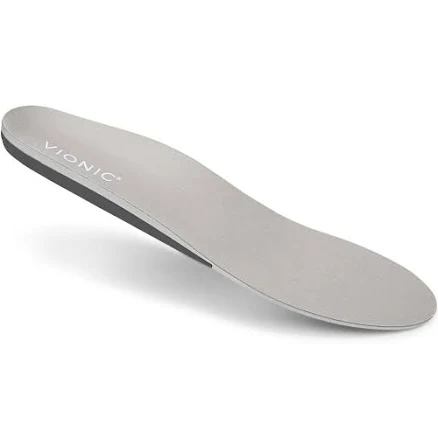
Vionic · Synthetic Athletic Insoles & Orthotics
Vionic Orthotic
Orthotic footwear poses lower concern absent waterproof treatment disclosure.
Vionic orthotics use foam and synthetics without known PFAS triggers like water-repellent coating or stain treatments. The brand provides no PFAS disclosure, limiting full confidence.
Still want this one anyway? Check the price on Amazon. We’d swap it.
Material
Foam insoles, synthetic upper, textile lining
Brand disclosure
Brand is silent on PFAS
Lab data
No public lab test
You may also be interested in
Top-graded picks in the categories readers replace first, every one scored on the same rubric.

- polypropylene filter housing, carbon/sediment cartridge
- We found no PFAS statement from the brand
- Bacterial growth in spent cartridges
3 hazards checked on this product, all on its full breakdown.

Aquasure
Premier Series 75 GPD Under Sink Reverse Osmosis Water Filtration System
- RO membrane, carbon filters, stainless steel housing
- We found no PFAS statement from the brand
- Bacterial and microbial growth in housing and filters
4 hazards checked on this product, all on its full breakdown.

Avocado
Vegan Mattress
- organic cotton, natural latex, coconut coir, recycled steel coils
- The brand calls it PFAS-free, which we have not verified
- Heavy metals
2 hazards checked on this product, all on its full breakdown.
What Vionic Orthotic is made of, ingredients and materials
Vionic orthotics combine polyurethane or EVA foam insoles with synthetic uppers and textile linings. Foam insoles themselves pose minimal acute hazard but can degrade with moisture and friction, potentially releasing particulates over time. Synthetic uppers typically use polyester or nylon without inherent toxicity at normal wear temperatures. The textile lining is the primary surface in contact with skin and warrants attention for finish treatments.
What’s concerning
Category baseline
The starting point for this type of product, before anything specific to this product is counted.
No PFAS disclosure
No public statement from the brand about PFAS in this product.
Foam degradation and particulate release
Polyurethane foam degrades with age and moisture, shedding fine particles into socks and skin. This is a wear-state issue rather than manufacturing hazard; replacement every 12-18 months mitigates accumulation.
What’s reassuring
Base material not linked to PFAS
The main material recorded for this product is not one associated with PFAS.
Formaldehyde / VOCs
Vionic does not disclose formaldehyde-based finish treatments on textile linings. No recalls or complaints on public record suggest problematic levels, but absence of testing means residual formaldehyde cannot be ruled out for sensitive individuals.
Source, ATSDR ↗Azo dyes in synthetic upper
Polyester and nylon uppers may use azo dyes, which can cause contact dermatitis in susceptible users. Vionic provides no testing data; however, the brand targets podiatrist distribution, suggesting quality controls exist that minimize this risk.
Antimony in polyester
Polyester uppers sometimes contain antimony as a catalyst residue. Skin contact with antimony residues is poorly documented as a hazard in normal footwear use and no reports exist for Vionic specifically.
Adhesive or glue residues
Foam-to-textile bonding uses adhesives that may off-gas in the first weeks of wear. No Vionic-specific data exists; typical adhesives used in footwear are low-volatility and dissipate quickly.
How is this PFAS grade calculated?
The brand's record and disclosure
Vionic has no publicly documented recalls or safety controversies in orthotic footwear. The brand does not disclose testing for formaldehyde resins, azo dyes, or antimony in polyester components, which is typical industry silence rather than evidence of hazard. No certifications (Oeko-Tex, GOTS) are marketed, meaning independent verification of textile treatments is unavailable. The silent stance on PFAS is consistent with non-waterproof orthotic positioning.
How it compares in its category
Vionic orthotics sit in the mid-market premium segment; material transparency is standard for this tier (not exceptional, not poor). Compared to clinical orthotics from medical suppliers, Vionic offers less third-party testing but equivalent material baseline. Versus mass-market foam insole brands, Vionic construction appears more durable and uses thicker foam, reducing replacement frequency and cumulative exposure.
If you buy it
Store in cool, dry conditions to slow foam breakdown; moisture accelerates degradation and odor. Do not expose to direct heat or leave in closed vehicles, as polyurethane softens above 60-70°C. Replace insoles every 12-18 months or when compression becomes visible, as flattened foam loses orthotic support and may release more particles. Inspect textile linings for irritation; if rash develops, discontinue use and wash linings separately in cool water before reuse.
What is not known about PFAS in this product?
- Basis
- Model estimate, 65% confidence, not a lab result
- Lab test
- None on record for this exact product
- Brand statement
- Vionic has made none
Formulations change between production runs, so check the current label. How we grade.
More synthetic athletic insoles & orthotics grades
How we score, every product runs through the same public 0-100 rubric based on materials, coatings, brand disclosure, lab findings, and recalls. See the full methodology → Spotted a mistake? Report an error.