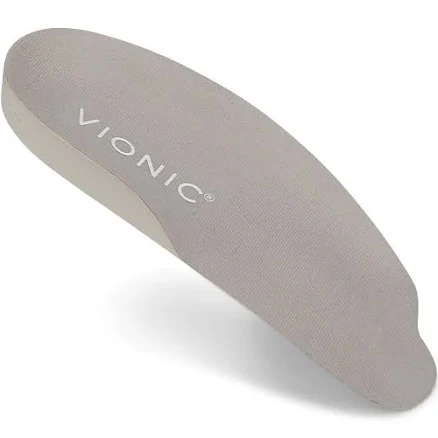
Vionic · Synthetic Athletic Insoles & Orthotics
Vionic Relief 3/4 Orthotic Insoles
Lower concern; no known PFAS-prone materials in insole design.
Vionic Relief 3/4 uses foam and gel cushioning without apparent water-resistant coating or Teflon-family coating treatment. No public PFAS disclosure exists, but materials aren't typical PFAS vectors.
Still want this one anyway? Check the price on Amazon. We’d swap it.
Material
Foam, gel, and textile insole base
Brand disclosure
Brand is silent on PFAS
Lab data
No public lab test
You may also be interested in
Top-graded picks in the categories readers replace first, every one scored on the same rubric.

- polypropylene filter housing, carbon/sediment cartridge
- We found no PFAS statement from the brand
- Bacterial growth in spent cartridges
3 hazards checked on this product, all on its full breakdown.

Aquasure
Premier Series 75 GPD Under Sink Reverse Osmosis Water Filtration System
- RO membrane, carbon filters, stainless steel housing
- We found no PFAS statement from the brand
- Bacterial and microbial growth in housing and filters
4 hazards checked on this product, all on its full breakdown.

Avocado
Vegan Mattress
- organic cotton, natural latex, coconut coir, recycled steel coils
- The brand calls it PFAS-free, which we have not verified
- Heavy metals
2 hazards checked on this product, all on its full breakdown.
What Vionic Relief 3/4 Orthotic Insoles is made of, ingredients and materials
Vionic Relief 3/4 insoles combine closed-cell foam, gel cushioning, and textile covering. Closed-cell foam and gel are chemically inert when properly manufactured and pose low leaching risk compared to open-cell or urethane foams. The textile upper layer is the only component with potential fiber or dye concerns, but insoles are not worn directly against skin or ingested, limiting exposure. No published data links typical insole foam or gel to systemic toxicity under normal use.
What’s concerning
Category baseline
The starting point for this type of product, before anything specific to this product is counted.
No PFAS disclosure
No public statement from the brand about PFAS in this product.
Foam degradation and microparticles
Closed-cell foam can fragment under prolonged compression or heat stress, potentially shedding fine particles into the shoe environment. Risk is low in typical indoor use; outdoor or athletic contexts with elevated heat may accelerate breakdown. Particles remain inside the shoe and do not pose inhalation risk.
Gel leaching or hardening
Gel cushioning compounds can experience plasticizer migration or crystallization over time, especially if stored in heat or humidity. No data confirms toxicity of typical insole gels, but hardening reduces function. This is a durability rather than toxicity concern.
Azo dyes in textile layer
The textile covering may contain azo dyes, which can break down under sweat or friction to release aromatic amines. Exposure risk is minimal because the textile does not contact skin and insoles are not chewed or ingested. Vionic provides no dye certification or standards.
What’s reassuring
Base material not linked to PFAS
The main material recorded for this product is not one associated with PFAS.
Formaldehyde / VOCs
The textile upper layer may undergo formaldehyde-resin finishing for water resistance or shape retention, a common practice in footwear textiles. No published testing or complaints exist for Vionic insoles on this front; insoles do not contact skin directly or undergo heating that would volatilize formaldehyde.
Source, ATSDR ↗Adhesives between foam and gel layers
Laminated insoles require adhesive bonding. No public information exists on adhesive type (solvent-based, water-based, or thermoplastic) used in Vionic Relief insoles. Adhesive off-gassing is minimal after manufacturing cure and not documented as a consumer complaint in this product category.
How is this PFAS grade calculated?
The brand's record and disclosure
Vionic does not publicly disclose detailed material sourcing, chemical composition, or third-party testing for insoles. The brand is owned by Caleres Inc. and maintains no prominent sustainability or certification programs specific to insole manufacturing. No recalls or established safety controversies are on record for this product line. Industry-wide, orthotic insole makers rarely undergo rigorous chemical disclosure, making Vionic's silence consistent with category norms rather than distinctive negligence.
How it compares in its category
Foam and gel insoles are among the lower-hazard footwear/orthotic options; they avoid metal shanks, synthetic rubber compounds, and adhesive-heavy construction found in some alternatives. Most competitors (Superfeet, Powerstep, Dr. Scholl's) offer similar material profiles without stronger chemical transparency. Insoles as a category escape many hazards that affect uppers or outsoles because they experience minimal temperature stress and no direct food contact. Vionic's positioning is middle-market without distinctive safety claims or certifications.
If you buy it
Store insoles in a cool, dry place away from direct heat or sunlight to prevent gel degradation or foam breakdown. Do not machine wash or submerge; wipe with a damp cloth to maintain integrity. Replace when foam visibly compresses, gel hardens, or cushioning noticeably diminishes, typically every 12-18 months depending on activity level. Ensure the textile covering shows no tears or peeling that could expose foam; small voids are cosmetic but monitor for fiber shedding into socks.
What is not known about PFAS in this product?
- Basis
- Model estimate, 72% confidence, not a lab result
- Lab test
- None on record for this exact product
- Brand statement
- Vionic has made none
Formulations change between production runs, so check the current label. How we grade.
More synthetic athletic insoles & orthotics grades
How we score, every product runs through the same public 0-100 rubric based on materials, coatings, brand disclosure, lab findings, and recalls. See the full methodology → Spotted a mistake? Report an error.