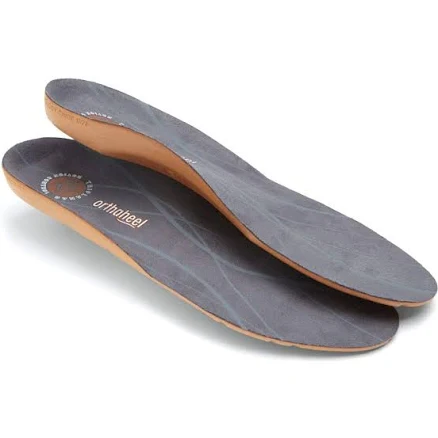
Vionic · Synthetic Athletic Insoles & Orthotics
Vionic Unisex Active Orthotic Full Length Insole
Lower concern insole; common foam materials without waterproofing treatment indicated.
Vionic insoles use standard EVA foam and fabric, materials not typically treated with PFAS. The brand discloses no PFAS information and no independent testing exists.
Still want this one anyway? Check the price on Amazon. We’d swap it.
Material
EVA foam, fabric backing, polyurethane adhesive
Brand disclosure
Brand is silent on PFAS
Lab data
No public lab test
You may also be interested in
Top-graded picks in the categories readers replace first, every one scored on the same rubric.

- polypropylene filter housing, carbon/sediment cartridge
- We found no PFAS statement from the brand
- Bacterial growth in spent cartridges
3 hazards checked on this product, all on its full breakdown.

Aquasure
Premier Series 75 GPD Under Sink Reverse Osmosis Water Filtration System
- RO membrane, carbon filters, stainless steel housing
- We found no PFAS statement from the brand
- Bacterial and microbial growth in housing and filters
4 hazards checked on this product, all on its full breakdown.

Avocado
Vegan Mattress
- organic cotton, natural latex, coconut coir, recycled steel coils
- The brand calls it PFAS-free, which we have not verified
- Heavy metals
2 hazards checked on this product, all on its full breakdown.
What Vionic Unisex Active Length Insole is made of, ingredients and materials
Vionic's orthotic insoles use EVA (ethylene-vinyl acetate) foam as the core material, a closed-cell polymer widely used in footwear for cushioning and arch support. The fabric backing and polyurethane adhesive are standard in this category. EVA does not contain phthalates or BPA by default, and polyurethane adhesives in shoe insoles are not a primary leaching pathway since they bond materials together rather than contact food or skin directly.
What’s concerning
Category baseline
The starting point for this type of product, before anything specific to this product is counted.
No PFAS disclosure
No public statement from the brand about PFAS in this product.
Polyurethane adhesive degradation and skin contact
Polyurethane adhesives used to bond insole layers can degrade over time or in high-moisture environments, potentially releasing residual unreacted isocyanates or oligomers. Direct skin contact with degraded backing is uncommon but possible if insole backing peels; risk is low in typical use but increases if insole is worn without shoes or after extended moisture exposure.
Microplastics
Repetitive compression and foot friction can cause gradual particle shedding from EVA foam, especially if the surface becomes abraded. These microparticles are not absorbed through skin and are typically shed into socks and shoes rather than the body, but may accumulate in the environment with disposal.
Source, EPA ↗What’s reassuring
Base material not linked to PFAS
The main material recorded for this product is not one associated with PFAS.
EVA foam off-gassing
EVA foam is not a documented source of VOC off-gassing in the literature, and Vionic insoles show no recalls or complaints related to chemical odor. New insoles may have a mild plastic smell that dissipates within days; this is cosmetic rather than a health signal.
Formaldehyde / VOCs
No formaldehyde-containing resins are standard in polyurethane-backed fabrics used for insole liners. Vionic provides no test results to confirm absence, but this hazard is not typical for this material combination and no incidents have been reported.
Source, ATSDR ↗Heavy metals
The fabric backing is not documented as a source of azo dyes or pigments with heavy metals. Vionic does not disclose dye chemistry, but insole backings are functional rather than decorative and rarely use problematic colorants; no recalls suggest this is a non-issue.
Source, FDA ↗How is this PFAS grade calculated?
The brand's record and disclosure
Vionic has not published detailed chemical disclosures or third-party safety certifications (such as Oeko-Tex or bluesign) for this product line, which is typical for orthotic brands but limits transparency. No recalls or substantiated safety incidents are on record for Vionic insoles. The company's silence on PFAS aligns with most insole manufacturers, suggesting no water-resistant or stain-guard treatments are applied to this product.
How it compares in its category
EVA foam insoles are the industry standard for over-the-counter orthotics and are generally considered lower-risk than gel or memory-foam alternatives (which can off-gas VOCs). Vionic's use of polyurethane adhesive is conventional; competitors often use similar bonding. Without waterproofing chemicals, this product appears lower concern than some premium or moisture-resistant insoles that incorporate PFAS-based water repellents.
If you buy it
Store insoles in a cool, dry place away from direct heat or sunlight, which can degrade EVA over 1-2 years of regular use. Do not microwave or place in hot water; hand-wash with mild soap if needed. Replace when cushioning noticeably flattens or foam surface cracks, typically every 12-24 months depending on activity level. Check for adhesive separation at the edges and discontinue use if backing begins to peel.
What is not known about PFAS in this product?
- Basis
- Model estimate, 72% confidence, not a lab result
- Lab test
- None on record for this exact product
- Brand statement
- Vionic has made none
Formulations change between production runs, so check the current label. How we grade.
More synthetic athletic insoles & orthotics grades
How we score, every product runs through the same public 0-100 rubric based on materials, coatings, brand disclosure, lab findings, and recalls. See the full methodology → Spotted a mistake? Report an error.