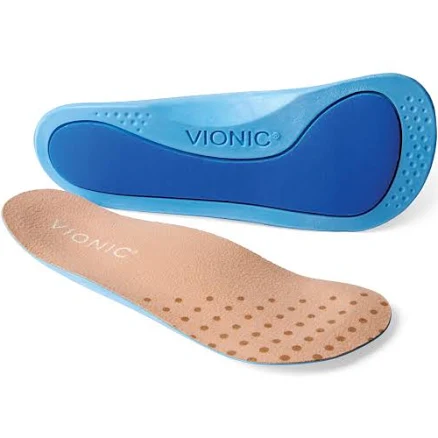
Vionic · Synthetic Athletic Insoles & Orthotics
Vionic Women's Slim Fit Insoles
Lower concern, but no public PFAS disclosure from brand.
Vionic insoles use foam and textile materials not typically associated with PFAS. The brand makes no public PFAS claims and no third-party verification exists.
Still want this one anyway? Check the price on Amazon. We’d swap it.
Material
foam cushioning, fabric topcover
Brand disclosure
Brand is silent on PFAS
Lab data
No public lab test
You may also be interested in
Top-graded picks in the categories readers replace first, every one scored on the same rubric.

- polypropylene filter housing, carbon/sediment cartridge
- We found no PFAS statement from the brand
- Bacterial growth in spent cartridges
3 hazards checked on this product, all on its full breakdown.

Aquasure
Premier Series 75 GPD Under Sink Reverse Osmosis Water Filtration System
- RO membrane, carbon filters, stainless steel housing
- We found no PFAS statement from the brand
- Bacterial and microbial growth in housing and filters
4 hazards checked on this product, all on its full breakdown.

Avocado
Vegan Mattress
- organic cotton, natural latex, coconut coir, recycled steel coils
- The brand calls it PFAS-free, which we have not verified
- Heavy metals
2 hazards checked on this product, all on its full breakdown.
What Vionic Women's Slim Fit Insoles is made of, ingredients and materials
Vionic Slim Fit Insoles use foam cushioning (likely EVA or polyurethane-based) with a fabric topcover. Foam insoles are less prone to toxic leaching than ceramic or metal cookware, and textiles in insoles are low-contact (foot sweat exposure rather than ingestion). The key risk in synthetic foam is volatile organic compound (VOC) off-gassing during manufacturing and early use, which is typical across the athletic insole category but fades within days to weeks.
What’s concerning
Category baseline
The starting point for this type of product, before anything specific to this product is counted.
No PFAS disclosure
No public statement from the brand about PFAS in this product.
Volatile Organic Compounds (VOCs) from foam off-gassing
Synthetic foam insoles (EVA/polyurethane) release low levels of VOCs during manufacturing curing and early use. This is typical and temporary but may irritate sensitive lungs or nasal passages; ventilation and air-out time minimizes exposure.
Degradation and microparticle shedding over time
Foam insoles degrade with wear and sweat exposure, potentially releasing small particles. This is not a known acute hazard for foot contact, but replacement before visible breakdown prevents inhalation of particles if insoles fragment in shoes.
Bacterial or fungal growth if moisture retained
Foam absorbs sweat; improper drying or storage can harbor odor-causing bacteria or fungi. This is hygiene-related rather than chemical toxicity, but relevant to foot health and insole longevity.
What’s reassuring
Base material not linked to PFAS
The main material recorded for this product is not one associated with PFAS.
Formaldehyde / VOCs
No specific reports of formaldehyde-releasing finishes on Vionic insoles. However, budget foam insoles sometimes use low-cost adhesives or fabric stiffeners with formaldehyde; Vionic's mainstream positioning suggests standard industrial adhesives, but no testing is public.
Source, ATSDR ↗Heavy metals
No recalls or disclosures of toxic dyes in Vionic insoles. Fabric topcovers are typically low-risk, but brand does not publish dye source or certifications (OEKO-TEX, etc.), limiting assurance.
Source, FDA ↗How is this PFAS grade calculated?
The brand's record and disclosure
Vionic is a Scholl's subsidiary (Reckitt Benckiser group) with no public PFAS disclosure statement, though the brand markets comfort and orthopedic function rather than water-resistance or stain-resistance (the main PFAS drivers in textiles). No major safety recalls or chemical controversies are on record for Vionic insoles. The brand does not publish material safety data sheets for consumer insoles, which is standard in the category but limits independent verification.
How it compares in its category
Foam insoles occupy the mainstream safety tier, better than heavy-metal-risk ceramics or older PVC footbeds, comparable to other athletic foam brands (Superfeet, Powerstep, Spenco). Unlike specialty anti-odor insoles, Vionic does not market antimicrobial silver or triclosan treatments, reducing biocide exposure. The slim fit design suggests thinner foam, which may mean less off-gassing volume but also less cushioning longevity than thicker competitors.
If you buy it
Air out new insoles for 24-48 hours before wearing to allow VOC release to subside. Avoid heat sources (direct sunlight, dishwashers, high heat dryers) which can degrade foam and release additional volatiles. Replace every 12-18 months or when cushioning visibly compresses, as degraded foam loses support and may fragment. Hand wash the fabric topcover with mild soap if odor develops; do not soak or machine wash, as water absorption can degrade adhesive layers.
What is not known about PFAS in this product?
- Basis
- Model estimate, 72% confidence, not a lab result
- Lab test
- None on record for this exact product
- Brand statement
- Vionic has made none
Formulations change between production runs, so check the current label. How we grade.
More synthetic athletic insoles & orthotics grades
How we score, every product runs through the same public 0-100 rubric based on materials, coatings, brand disclosure, lab findings, and recalls. See the full methodology → Spotted a mistake? Report an error.