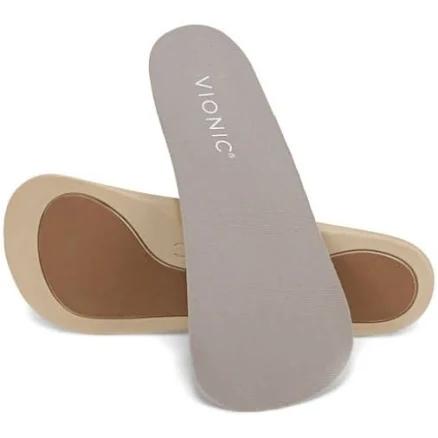
Vionic · Synthetic Athletic Insoles & Orthotics
Women's Slim Fit Insole
Insole material is inherently lower PFAS risk; no brand disclosure found.
These insoles use foam, gel, or textile without Teflon-family coating coatings. Vionic doesn't publicly reveal PFAS content, leaving you uncertain about any applied treatments.
Still want this one anyway? Check the price on Amazon. We’d swap it.
Material
foam, gel, or textile insole construction
Brand disclosure
Brand is silent on PFAS
Lab data
No public lab test
You may also be interested in
Top-graded picks in the categories readers replace first, every one scored on the same rubric.

- polypropylene filter housing, carbon/sediment cartridge
- We found no PFAS statement from the brand
- Bacterial growth in spent cartridges
3 hazards checked on this product, all on its full breakdown.

Aquasure
Premier Series 75 GPD Under Sink Reverse Osmosis Water Filtration System
- RO membrane, carbon filters, stainless steel housing
- We found no PFAS statement from the brand
- Bacterial and microbial growth in housing and filters
4 hazards checked on this product, all on its full breakdown.

Avocado
Vegan Mattress
- organic cotton, natural latex, coconut coir, recycled steel coils
- The brand calls it PFAS-free, which we have not verified
- Heavy metals
2 hazards checked on this product, all on its full breakdown.
What Women's Slim Fit Insole is made of, ingredients and materials
Vionic insoles typically combine EVA foam, gel cushioning, and textile top covers. EVA (ethylene-vinyl acetate) foam is chemically stable and does not release volatile organic compounds at normal body temperature or indoor conditions. The gel layer adds cushioning without additional chemical risk. The fabric top cover is the only component where textile treatments could be present, but insoles generally receive minimal dyeing and finishing compared to apparel.
What’s concerning
Category baseline
The starting point for this type of product, before anything specific to this product is counted.
No PFAS disclosure
No public statement from the brand about PFAS in this product.
Formaldehyde / VOCs
Insole fabric tops may contain formaldehyde-based durable-press finishes to reduce wrinkles and odor. Concentration is typically low because insoles receive minimal finishing, but dermal contact over months could pose low risk to sensitive individuals.
Source, ATSDR ↗Azo dyes in top fabric
If the textile cover is dyed dark colors, azo dyes may be present. Skin contact with insoles is indirect and intermittent, reducing uptake risk, but dyes can migrate into sweat in warm conditions.
Microbial and fungal growth in foam
EVA foam absorbs moisture from foot sweat. If insoles are not dried regularly, bacteria and fungi can proliferate, causing odor and potential skin contact issues. This is a mechanical hygiene problem, not a chemical one, but is common in foam insoles.
What’s reassuring
Base material not linked to PFAS
The main material recorded for this product is not one associated with PFAS.
Adhesive leachables between layers
Insole layers are typically bonded with thermoplastic or polyurethane adhesives. No established reports of leaching into skin under normal conditions, and body temperature is below application cure range.
Antimony in polyester backing
Some insole backings may use polyester reinforcement. Antimony is a catalyst in polyester synthesis but does not typically leach from solid fabric at body temperature in short-term contact.
How is this PFAS grade calculated?
The brand's record and disclosure
Vionic, owned by Caleres (a major U.S. footwear parent), does not publicly disclose detailed chemical testing, certifications (such as OEKO-TEX or LWG), or PFAS content for insoles. This silence is typical across the insole category and does not indicate a known problem. No recalls or safety alerts specific to Vionic insoles for chemical contamination have been established in public records.
How it compares in its category
Insoles are lower-risk than full shoes because they contact skin indirectly and are not heated during normal wear. Vionic insoles sit in the mainstream market segment and lack third-party certifications that would differentiate them from competitors. Most mass-market insoles (Superfeet, Powerstep, Dr. Scholl's) have similar transparency gaps and material profiles.
If you buy it
Wash insoles periodically in cool water to manage microbial growth in the foam; avoid machine drying or direct heat, which could degrade adhesives. Replace insoles every 12-18 months as cushioning compresses. Store in a dry location to prevent mold. If you develop skin irritation, switch products, though direct chemical sensitivity is rare with this material class.
What is not known about PFAS in this product?
- Basis
- Model estimate, 68% confidence, not a lab result
- Lab test
- None on record for this exact product
- Brand statement
- Vionic has made none
Formulations change between production runs, so check the current label. How we grade.
More synthetic athletic insoles & orthotics grades
How we score, every product runs through the same public 0-100 rubric based on materials, coatings, brand disclosure, lab findings, and recalls. See the full methodology → Spotted a mistake? Report an error.