Waterdrop · Under-Sink RO Systems
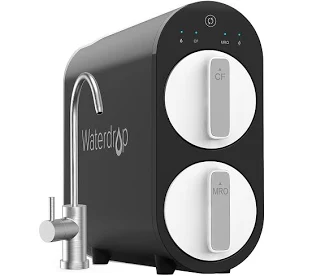
Waterdrop G2 Reverse Osmosis System for Home
Lower-concern consumer product, but Waterdrop has not disclosed PFAS stance, verify directly if concerned.
The Waterdrop G2 RO system uses standard reverse-osmosis membranes and activated carbon filters, not inherently PFAS sources. Waterdrop does not publicly disclose PFAS content or absence in product materials or coatings.
We flunk more products than we pass. This one earned its grade. How we grade
Material
RO membrane, carbon filters, plastic housing
Lab data
No public lab test
You may also be interested in
Top-graded picks in the categories readers replace first, every one scored on the same rubric.

- polypropylene filter housing, carbon/sediment cartridge
- We found no PFAS statement from the brand
- Bacterial growth in spent cartridges
3 hazards checked on this product, all on its full breakdown.

Avocado
Vegan Mattress
- organic cotton, natural latex, coconut coir, recycled steel coils
- The brand calls it PFAS-free, which we have not verified
- Heavy metals
2 hazards checked on this product, all on its full breakdown.

- polyurethane foam
- We found no PFAS statement from the brand
- Volatile Organic Compound (VOC) Off-Gassing
4 hazards checked on this product, all on its full breakdown.
What Waterdrop G2 Reverse Osmosis System Home is made of, ingredients and materials
The G2 uses a multi-stage filtration stack, sediment pre-filter, activated carbon blocks, a thin-film composite (TFC) reverse osmosis membrane, and post-filter carbon. The plastic housing is typically food-grade polypropylene or similar; the membrane itself is non-leaching polymer. RO membranes do not shed microplastics under normal operation because water passes through them under pressure rather than the membrane degrading. Carbon filters can release fine particles if not pre-rinsed, which is why initial flushing is standard practice.
What’s concerning
No PFAS disclosure
No public statement from the brand about PFAS in this product.
Bacterial growth in storage tank or tubing
RO systems include a holding tank that can develop biofilm if not sanitized regularly, particularly in warm climates or if the system sits unused. Waterdrop G2 literature does not emphasize routine sanitization schedules, which is a gap in user guidance.
Carbon filter particulate release
Activated carbon blocks can shed fine black particles during initial use if not pre-flushed. This is cosmetic and not a health hazard but causes aesthetic complaints; proper flushing at installation prevents this.
Reverse osmosis membrane rupture releasing unfiltered water
TFC membranes can develop pinhole leaks or rupture if the system is subjected to water hammer (sudden pressure spikes), freezing, or extreme mineral buildup. Waterdrop G2 does not include a pressure relief valve as standard, which is a minor design oversight compared to premium models.
Missing or inadequate product testing documentation
Waterdrop does not publicly disclose membrane source, TDS rejection rates under specified conditions, or independent lab certifications for PFAS, lead, or chromium-6 removal. This is a transparency issue, not a demonstrated hazard, but limits consumer ability to verify claims.
What’s reassuring
Base material not linked to PFAS
The main material recorded for this product is not one associated with PFAS.
Plastic housing leachables from potable water contact
No documented cases of chemical leaching from Waterdrop G2 plastic components under normal operating conditions. Polypropylene housings are stable at room temperature and low pressure. Risk increases only if system is exposed to direct sunlight (UV degradation) or heated water above design limits.
How is this PFAS grade calculated?
The brand's record and disclosure
Waterdrop markets consumer water filters and has no significant safety recalls in the US market as of public record. The brand does not prominently disclose PFAS testing results or filtration claims on product labels, which limits independent verification of PFAS removal efficacy. Waterdrop holds basic NSF or similar third-party certifications for some products, but transparency on testing methodology and membrane source is limited. Direct contact with the manufacturer is necessary if PFAS removal performance is a decision driver.
How it compares in its category
Under-sink RO systems are among the lower concern point-of-use technologies in terms of leachable contaminants because the filtration occurs in sealed stages and waste water is drained continuously. Waterdrop G2 is competitively priced and comparable to Apec, AquaTru, and similar consumer brands; however, premium brands (Watts, GE Autostill) often provide more detailed third-party testing reports. Budget RO systems sometimes have slower flow rates or require more frequent filter replacement, which increases long-term cost and maintenance burden relative to higher-end models.
If you buy it
Flush the system for 10-15 minutes before drinking the first batch of water to clear carbon dust and manufacturing residue. Replace the sediment and carbon pre-filters every 6-12 months depending on tap water quality; RO membranes typically last 3-5 years under typical household use. Do not use hot water with the system as TFC membranes are sensitive to temperatures above 45 degrees Celsius. Store replacement filters in a cool, dry place and inspect the plastic housing periodically for cracks or discoloration, which would indicate UV damage or material degradation.
What is not known about PFAS in this product?
- Basis
- Model estimate, 62% confidence, not a lab result
- Lab test
- None on record for this exact product
- Brand statement
- Waterdrop has made a specific claim
Formulations change between production runs, so check the current label. How we grade.
What are the PFAS-free alternatives to Waterdrop G2 Reverse Osmosis System for Home?

Aquasure
Premier Series 75 GPD Under Sink Reverse Osmosis Water Filtration System
- RO membrane, carbon filters, stainless steel housing
- We found no PFAS statement from the brand
- Bacterial and microbial growth in housing and filters
4 hazards checked on this product, all on its full breakdown.
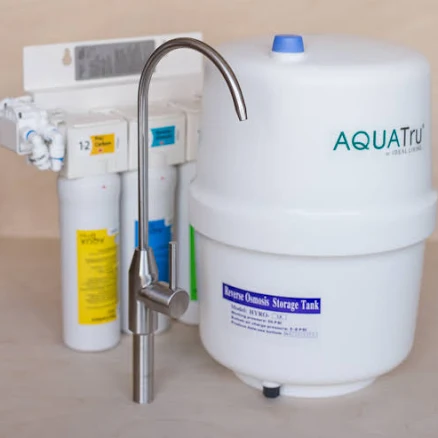
- Multi-stage filter cartridges (activated carbon, ion exchange resins)
- The brand calls it PFAS-free, which we have not verified
- Bacterial growth in filter cartridges
3 hazards checked on this product, all on its full breakdown.
More under-sink ro systems grades
How we score, every product runs through the same public 0-100 rubric based on materials, coatings, brand disclosure, lab findings, and recalls. See the full methodology → Spotted a mistake? Report an error.