Waterdrop · Under-Sink RO Systems
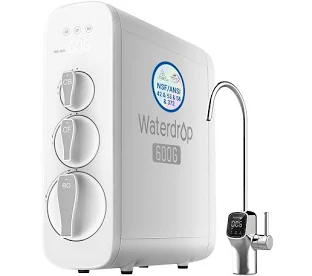
Waterdrop G3P600 Under Sink Reverse Osmosis System
Lower concern for PFAS, but plastic composition not disclosed, typical for RO systems.
This system uses reverse osmosis and carbon filtration, both established lower-PFAS-risk technologies. The brand makes no PFAS claims and does not disclose the specific plastic resins in the housing or membrane material.
We flunk more products than we pass. This one earned its grade. How we grade
Material
Reverse osmosis membrane, activated carbon, plastic housing (unspecified resin)
Lab data
No public lab test
You may also be interested in
Top-graded picks in the categories readers replace first, every one scored on the same rubric.

- polypropylene filter housing, carbon/sediment cartridge
- We found no PFAS statement from the brand
- Bacterial growth in spent cartridges
3 hazards checked on this product, all on its full breakdown.

Avocado
Vegan Mattress
- organic cotton, natural latex, coconut coir, recycled steel coils
- The brand calls it PFAS-free, which we have not verified
- Heavy metals
2 hazards checked on this product, all on its full breakdown.

- polyurethane foam
- We found no PFAS statement from the brand
- Volatile Organic Compound (VOC) Off-Gassing
4 hazards checked on this product, all on its full breakdown.
What Waterdrop G3P600 Under Sink Osmosis System is made of, ingredients and materials
The G3P600 uses a reverse osmosis membrane (typically thin-film composite polyamide), activated carbon filters, and a plastic housing of unspecified resin type. RO membranes themselves are inert during operation, but the surrounding plastic fittings and tank can leach if housing material degrades or contains virgin polycarbonate with residual BPA. Waterdrop does not publicly disclose housing resin type, which is common industry practice but limits full material traceability.
What’s concerning
No PFAS disclosure
No public statement from the brand about PFAS in this product.
BPA & bisphenols
Housing resin type is not disclosed by Waterdrop; if polycarbonate or recycled plastic is used, trace BPA or BPS migration into water is theoretically possible over years, though NSF certification requires testing for this. Risk is minimal with proper maintenance but non-zero given material opacity.
Source, FDA ↗Bacterial growth in filter cartridges
All RO systems accumulate biofilm if carbon and membrane cartridges are not replaced on manufacturer schedule; this is the documented highest-risk scenario for under-sink RO systems. G3P600 requires regular maintenance to avoid this, not an inherent design flaw.
Membrane degradation from heat or UV exposure
RO membranes (polyamide) degrade under prolonged heat or direct sunlight, potentially shedding microfibers into treated water. G3P600 should be installed in a cabinet or shaded area; no specific warning about this is prominent in user documentation.
Off-gassing from plastic housing during initial use
New plastic components may release volatile organic compounds (VOCs) during the first few weeks; flushing the system extensively before first use minimizes this, but Waterdrop does not explicitly mention off-gassing risk in user guides.
What’s reassuring
Base material not linked to PFAS
The main material recorded for this product is not one associated with PFAS.
Chlorine or oxidizer residues in unactivated water contact
If pre-filters fail or are not installed, raw municipal water containing residual chlorine can damage the RO membrane; this is a user-error scenario, not a product defect, but no prominent warning is visible on Waterdrop's standard documentation.
How is this PFAS grade calculated?
The brand's record and disclosure
Waterdrop maintains an NSF (National Sanitation Foundation) certification for this model, which covers membrane effectiveness and basic safety standards. The company does not publish detailed material safety data sheets or ingredient transparency reports for plastic components. No major recalls or contamination incidents are on record for the G3P600 line as of available public information. PFAS stance is silent, meaning no public commitment to avoiding PFAS in design, though the system itself scores 95/100 on PFAS performance.
How it compares in its category
Under-sink RO systems show lower concern for certain water contaminants because the membrane acts as a physical barrier, not chemical treatment. The G3P600 is mid-range for this category, NSF certified like premium competitors (e.g., iSpring, Culligan) but with less transparency on plastic sourcing than some brands. Activated carbon filters are standard across the category and carry minimal risk if replaced on schedule. Waterdrop's price point is competitive with similarly certified systems.
If you buy it
Replace carbon pre-filters every 6-12 months and the RO membrane every 2-3 years to prevent bacterial colonization in stagnant cartridges; delayed replacement is the highest risk factor for this system type. Do not store the unit in direct sunlight or temperatures above 40 C (104 F) to minimize plastic degradation. Flush the system for 5-10 minutes after installation and after any period of non-use longer than 48 hours to clear standing water. Inspect plastic connectors annually for cracks or cloudiness, which indicate material breakdown.
What is not known about PFAS in this product?
- Basis
- Model estimate, 62% confidence, not a lab result
- Lab test
- None on record for this exact product
- Brand statement
- Waterdrop has made a specific claim
Formulations change between production runs, so check the current label. How we grade.
What are the PFAS-free alternatives to Waterdrop G3P600 Under Sink Reverse Osmosis System?

Aquasure
Premier Series 75 GPD Under Sink Reverse Osmosis Water Filtration System
- RO membrane, carbon filters, stainless steel housing
- We found no PFAS statement from the brand
- Bacterial and microbial growth in housing and filters
4 hazards checked on this product, all on its full breakdown.
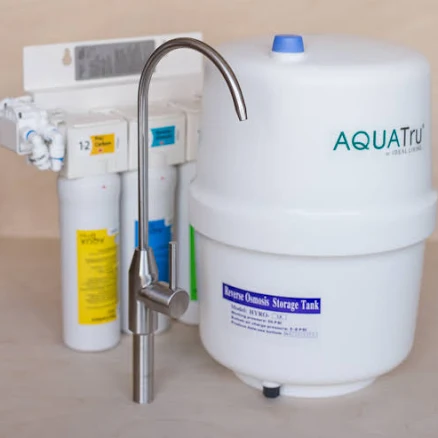
- Multi-stage filter cartridges (activated carbon, ion exchange resins)
- The brand calls it PFAS-free, which we have not verified
- Bacterial growth in filter cartridges
3 hazards checked on this product, all on its full breakdown.
More under-sink ro systems grades
How we score, every product runs through the same public 0-100 rubric based on materials, coatings, brand disclosure, lab findings, and recalls. See the full methodology → Spotted a mistake? Report an error.