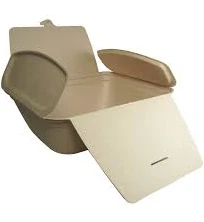
World Centric · Food Packaging
World Centrics Compost-A-Pak Container
Lower concern since molded fiber unlikely contains PFAS, but no explicit brand disclosure provided.
These molded fiber containers are made from recycled paper pulp, a material class not typically formulated with fluorochemicals since it requires no water or grease-blocking coatings. The brand makes no PFAS claims.
We flunk more products than we pass. This one earned its grade. How we grade
Material
Molded fiber (recycled paper pulp)
Brand disclosure
Brand is silent on PFAS
Lab data
No public lab test
You may also be interested in
Top-graded picks in the categories readers replace first, every one scored on the same rubric.

- polypropylene filter housing, carbon/sediment cartridge
- We found no PFAS statement from the brand
- Bacterial growth in spent cartridges
3 hazards checked on this product, all on its full breakdown.

Aquasure
Premier Series 75 GPD Under Sink Reverse Osmosis Water Filtration System
- RO membrane, carbon filters, stainless steel housing
- We found no PFAS statement from the brand
- Bacterial and microbial growth in housing and filters
4 hazards checked on this product, all on its full breakdown.

Avocado
Vegan Mattress
- organic cotton, natural latex, coconut coir, recycled steel coils
- The brand calls it PFAS-free, which we have not verified
- Heavy metals
2 hazards checked on this product, all on its full breakdown.
What World Centrics Compost-A-Pak Container is made of, ingredients and materials
Compost-A-Pak containers are molded from recycled paper pulp, a fibrous material created by pressing wet pulp into shape and drying it. Unlike plastic or ceramic food packaging, molded fiber has minimal chemical binders and no synthetic coatings, which eliminates the leaching pathways common to other food containers. The material is inherently compostable and designed to break down in industrial or home composting systems, reducing the window for chemical migration into food.
What’s concerning
Category baseline
The starting point for this type of product, before anything specific to this product is counted.
No PFAS disclosure
No public statement from the brand about PFAS in this product.
Ink/dye residues from recycled paper pulp
Molded fiber uses post-consumer recycled paper as feedstock, which may contain offset or flexographic printing inks. FDA regulations permit food-contact recycled fiber, but trace heavy metals (lead, cadmium) in older ink formulations remain a theoretical risk; no specific testing of World Centric product batches is publicly available.
What’s reassuring
Base material not linked to PFAS
The main material recorded for this product is not one associated with PFAS.
Bacterial or mold growth
Molded fiber's porous structure can retain moisture if stored improperly, creating conditions for microbial growth before use; however, this is a handling issue, not a manufacturing hazard specific to this product.
Bleach or chlorine residues
Molded fiber production typically uses oxygen bleaching or hydrogen peroxide rather than chlorine, and World Centric has not disclosed their bleach method; residual levels from this process are not established as a concern in peer-reviewed literature.
Adhesive or binding agent leaching
Molded fiber containers require minimal adhesive because the pulp is mechanically pressed and dried; World Centric does not use synthetic polymeric binders, so leaching of formaldehyde resins or other chemical adhesives is not a documented pathway for this product type.
Microplastic shedding
Molded fiber is cellulose-based, not plastic; it sheds fiber particles rather than microplastics, and these particles are inherently compostable and non-toxic if ingested in trace amounts.
How is this PFAS grade calculated?
The brand's record and disclosure
World Centric is a certified B Corporation and social enterprise focused on sustainable foodservice products, and compostable containers are their core category. The company does not publish detailed chemical disclosure statements or independent test results for contaminants on their website, which is typical for the molded fiber sector. No recalls, contamination incidents, or regulatory warnings specific to their molded fiber containers are on public record. Their silence on PFAS reflects the broader industry assumption that molded fiber avoids intentional PFAS use, but explicit third-party verification is absent.
How it compares in its category
Molded fiber containers rank lower in chemical contamination risk than single-use plastics (which carry BPA/phthalate leaching risks) or plastic-coated paperboard (which may contain PFAS water-repellent coatings). They offer similar safety to uncoated cardboard but with superior grease resistance due to the fiber structure itself rather than chemical treatments. Compared to compostable plastic alternatives (PLA, PHA), molded fiber avoids concerns around microplastic shedding or slower degradation in real-world conditions.
If you buy it
Molded fiber containers show lower concern for hot, cold, and dry foods; no temperature restriction exists because the material does not leach with heat. Avoid prolonged contact with very hot liquids over 180°F if repeated use is intended, as extended heat exposure can weaken fiber structure (though this affects durability, not toxicity). Store dry to prevent mold growth before use. Composability is genuine at industrial facilities, though home composting times are longer; verify your local facility accepts them before purchase to realize the sustainability claim.
What is not known about PFAS in this product?
- Basis
- Model estimate, 78% confidence, not a lab result
- Lab test
- None on record for this exact product
- Brand statement
- World Centric has made none
Formulations change between production runs, so check the current label. How we grade.
What are the PFAS-free alternatives to World Centrics Compost-A-Pak Container?
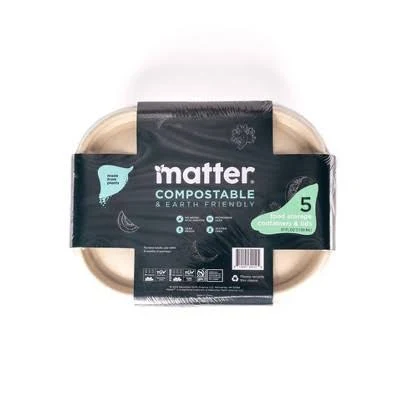
- Plant-based fiber pulp (compostable)
- A third party reports verifying it as PFAS-free
- Microbe/mold growth if stored damp
2 hazards checked on this product, all on its full breakdown.
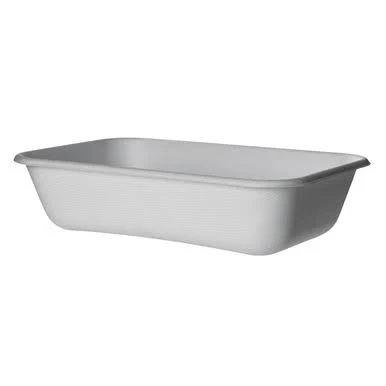
Eco-Products
Eco Products WorldView Compostable Take-Out Containers EP-SCRC32
- Plant-based fiber (compostable sugarcane bagasse)
- A third party reports verifying it as PFAS-free
- Bleaching agents and processing residues
3 hazards checked on this product, all on its full breakdown.
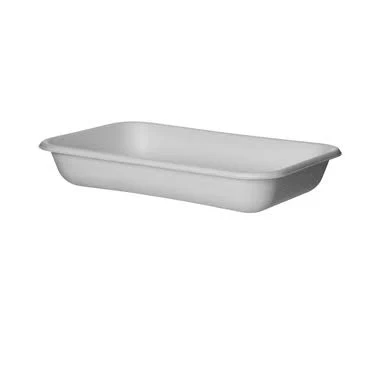
Eco-Products
WorldView Sugarcane Take-Out Containers
- Sugarcane bagasse (post-consumer fiber)
- A third party reports verifying it as PFAS-free
- Cellulose fiber degradation and food contact
2 hazards checked on this product, all on its full breakdown.
More food packaging grades
How we score, every product runs through the same public 0-100 rubric based on materials, coatings, brand disclosure, lab findings, and recalls. See the full methodology → Spotted a mistake? Report an error.