By PFAS Authority · Updated September 22, 2026
Top grades to buy
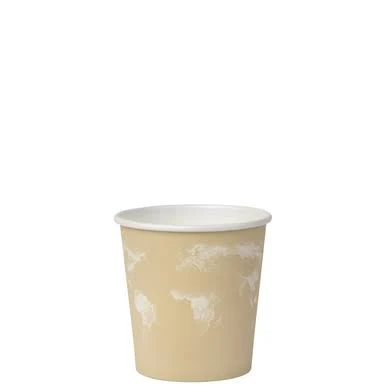
Eco-Products
World Art Hot Cups 4oz
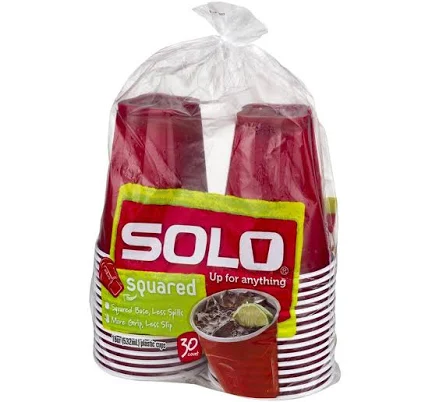
Solo
Cup Company Grips Plastic Cups SQ1830
Model-based grades, not lab tests. We flunk more than we pass. How grading works
PFAS in Coffee Cups, Which Brands Grade Best and Worst
Based on available materials and data, coffee cups made mostly of solid plastic or foam, like the Solo Solo To Go Strawless Cups with Lids and the Eco-Products World Art Hot Cups 4oz, currently earn the highest model-based estimates in our database at 70 out of 100, landing in the "Good" band. Paper hot cups with internal coatings, including several from Starbucks, Dixie, and Solo's own paper lines, cluster in the "Poor" band at 25 out of 100, largely because paper cups typically rely on a thin polymer or bio-based liner to stop leaks, and those liners are a known category where PFAS or PFAS-adjacent chemistry has historically shown up. None of this means the higher-scoring cups are certified "PFAS-free" or that the lower-scoring ones have been lab-confirmed to contain PFAS. These are model-based estimates built from materials disclosure and public data, not laboratory test results. Where a brand claims to be free of intentionally added PFAS, we say so and label it a brand claim, not a third-party verified result. If you want to compare more cups side by side, the product finder lets you search the full database, and our insulated travel mugs guide covers reusable alternatives that sidestep single-use liners entirely.
Summary comparison
| Product | PFAS grade (model estimate) | Verdict |
|---|---|---|
| Solo Solo To Go Strawless Cups with Lids | Good, 70/100 | Lower concern based on reviewed materials |
| Eco-Products World Art Hot Cups 4oz | Good, 70/100 | Lower concern based on reviewed materials |
| Solo Solo Bistro Hot/Cold Foam Cups with Lids | Good, 70/100 | Lower concern based on reviewed materials |
| Solo Cup Company Grips Plastic Cups SQ1830 | Good, 70/100 | Lower concern based on reviewed materials |
| Eco-Products GreenStripe Renewable Compostable Hot Cups | Poor, 25/100 | Higher modeled concern, compostable lining flagged |
| Starbucks Pike Place K-Cup | Poor, 25/100 | Higher modeled concern, single-serve pod materials flagged |
| Dixie To Go Paper Cups & Lids | Poor, 25/100 | Higher modeled concern, paper liner flagged |
| Starbucks Compostable Hot/Cold Cups | Poor, 25/100 | Higher modeled concern, liner flagged |
| Solo Bistro Design Hot Drink Cups Paper | Poor, 25/100 | Higher modeled concern, paper liner flagged |
| Solo Cup Polycoated Hot Paper Cups (Dart Container) | Poor, 25/100 | Higher modeled concern, polycoating flagged |
| SOLO Hot Paper Cups | Poor, 25/100 | Higher modeled concern, paper liner flagged |
| Starbucks Paper Cups, 46 Ct Sealed Sleeve | Poor, 25/100 | Higher modeled concern, paper liner flagged |
| Dixie Hot Paper Cups PerfecTouch | Poor, 25/100 | Higher modeled concern, paper liner flagged |
| Dixie To Go 12 oz Paper Cup with Leak-Resistant Lid | Poor, 25/100 | Higher modeled concern, "leak-resistant" liner flagged |
| Eco-Products World Art Renewable Resource Hot Drink Cups | Poor, 25/100 | Higher modeled concern, liner flagged |
How we graded these, in plain terms
Every score above is a model-based estimate built from materials lists, packaging disclosures, and public regulatory data, not a laboratory test of the specific cup you'll buy. A "Good" grade at 70/100 means the reviewed materials and public data show fewer PFAS-associated red flags than the alternatives in this set. It does not mean "PFAS-free" and it does not mean "safe." A "Poor" grade at 25/100 means more of the known risk factors, most often a fluoropolymer or fluorinated grease-resistant coating typically used in paper foodservice liners, showed up in the reviewed materials or category norms. Where a brand makes a PFAS-free claim, we note it as a brand statement below, separate from any third-party verification, because we did not find independent lab confirmation in the sources reviewed for this guide.
The "Good" grade cups, 70/100
Solo Solo To Go Strawless Cups with Lids
Materials, Rigid plastic cup body with a strawless sipper lid, no internal paper coating to worry about. Brand claims, Solo markets these primarily on convenience and spill resistance rather than chemical composition; we found no explicit PFAS-free marketing claim to evaluate. Pros, Plastic construction avoids the fluorinated grease-resistant liners common in paper hot cups, and the design skips a straw entirely. Cons, Plastic cups carry their own separate environmental tradeoffs, and this grade reflects modeled materials risk only, not a lab test of this specific batch.
Eco-Products World Art Hot Cups 4oz
Materials, Paper-based hot cup marketed under Eco-Products' sustainability-forward "World Art" line. Brand claims, Eco-Products positions its cups around renewable content and compostability messaging. Pros, Scored better than most other paper hot cups in our database, suggesting a lower flagged-ingredient profile based on available materials. Cons, It's still a paper hot cup, a category where liner chemistry varies by SKU and manufacturing run, so this grade should not be read as a guarantee about every batch or size variant.
Solo Solo Bistro Hot/Cold Foam Cups with Lids
Materials, Foam cup construction, which typically does not require the same grease-resistant fluoropolymer coating that paper cups use. Brand claims, Marketed on insulation and temperature retention, not on chemical safety. Pros, Foam's non-porous surface reduces the modeled need for a fluorinated liner. Cons, Foam foodware has its own separate environmental and disposal concerns, and this is a materials-based estimate, not a certified result.
Solo Cup Company Grips Plastic Cups SQ1830
Materials, Rigid plastic cold cup with a textured "Grips" exterior. Brand claims, Marketed for grip and portability, no PFAS-specific claim identified. Pros, Plastic cold-cup construction again avoids the paper-liner category where most flagged coatings appear. Cons, Best suited to cold drinks, so it's not a direct swap for a hot paper coffee cup, and plastic use carries its own tradeoffs.
The "Poor" grade cups, 25/100
Eco-Products GreenStripe Renewable Compostable Hot Cups
Materials, Paper cup with a compostable interior lining marketed under the "GreenStripe" name. Brand claims, Eco-Products emphasizes renewable and compostable content. Pros, Compostability messaging appeals to buyers focused on end-of-life disposal. Cons, Based on available materials and data, compostable linings have historically used fluorinated compounds in some formulations to achieve grease and moisture resistance, which is reflected in the lower modeled score here; this is not a lab-confirmed finding for this specific product, only a materials-based estimate.
Starbucks Pike Place K-Cup
Materials, Single-serve coffee pod with a plastic cup body, foil lid, and internal filter component. Brand claims, Starbucks markets the K-Cup line on flavor and convenience; we did not find an explicit PFAS-free claim for this SKU. Pros, Consistent brewing and portioning. Cons, Single-serve pod construction involves multiple bonded materials, which our model flags as a higher-uncertainty category compared to simpler single-material cups.
Dixie To Go Paper Cups & Lids
Materials, Standard paper hot cup with a plastic lid. Brand claims, Marketed on leak resistance and portability. Pros, Widely available and familiar format. Cons, Paper hot cups rely on an internal liner to prevent soak-through, and that liner category is where most of the modeled concern in this guide originates. See our broader grease-resistant paper products guide for how this pattern shows up across paper foodware generally.
Starbucks Compostable Hot/Cold Cups
Materials, Paper cup body with a compostable lining, dual-purpose for hot and cold drinks. Brand claims, Starbucks promotes compostability and sustainability credentials for this line. Pros, Versatile format, strong compostability marketing. Cons, As with other compostable-lined paper cups in this guide, the modeled score reflects the category-level pattern around fluorinated grease-resistant coatings, not a confirmed lab result for this exact product.
Solo Bistro Design Hot Drink Cups Paper
Materials, Decorated paper hot cup, standard foodservice construction. Brand claims, Marketed on design and hot-beverage performance. Pros, Familiar coffee-shop aesthetic. Cons, Falls into the same paper-liner risk pattern as the other Poor-graded cups here.
Solo Cup Polycoated Hot Paper Cups, Dart Container Corporation
Materials, Paper cup with an explicit polycoating for liquid resistance. Brand claims, Marketed directly on its polycoating for hot-beverage durability. Pros, The polycoating does what it's designed to do, preventing leaks. Cons, "Polycoated" is precisely the category of liner our model flags most consistently, which is reflected in the score.
SOLO Hot Paper Cups
Materials, Standard paper hot cup line. Brand claims, General-purpose foodservice marketing, no PFAS-free claim identified. Pros, Broad market availability. Cons, Same liner-related concern pattern as other paper hot cups in this guide.
Starbucks Paper Cups, 46 Ct Sealed Sleeve, White Disposable Coffee
Materials, Bulk-packaged white disposable paper hot cup. Brand claims, Marketed on bulk value and Starbucks branding, not chemical composition. Pros, Practical for high-volume home or office use. Cons, Bulk packaging does not change the underlying liner chemistry that drives the modeled score.
Dixie Hot Paper Cups PerfecTouch
Materials, Insulated paper hot cup designed to be held without a sleeve. Brand claims, Marketed on the "PerfecTouch" insulating wall technology. Pros, Reduces the need for a separate cup sleeve. Cons, The insulating wall structure still requires an internal liquid barrier, which our model treats the same as other paper cup liners.
Dixie To Go 12 oz Paper Cup with Leak-Resistant Lid
Materials, Paper hot cup with a matched leak-resistant lid. Brand claims, Marketed specifically on leak resistance. Pros, Practical spill control. Cons, Leak resistance in a paper cup is typically achieved with the same liner chemistry category the model flags across this list.
Eco-Products World Art Renewable Resource Hot Drink Cups
Materials, Paper hot cup marketed on renewable resource content. Brand claims, Emphasizes renewable sourcing. Pros, Sourcing-focused messaging may appeal to some buyers. Cons, Renewable sourcing of the paper itself does not necessarily change the liner chemistry, which is the primary driver of the modeled score here.
What to avoid
- Paper hot cups with unspecified "leak-resistant" or "polycoated" linings. Based on available materials and data, this is the single biggest pattern separating Poor-graded cups from Good-graded ones in this guide. The coating that stops your coffee from soaking through the cup wall is frequently the same category of chemistry associated with PFAS in foodservice paper.
- Compostable-labeled paper cups without third-party PFAS verification. Compostability and low PFAS concern are not the same thing. Some compostable liner formulations have historically used fluorinated compounds to achieve grease resistance, so a compostable label alone should not be read as a lower-concern signal.
- Multi-material single-serve pods like K-Cup style products, where filter, foil, and plastic components are bonded together. More material interfaces generally means more places a fluorinated coating could be used, and more uncertainty in a materials-based model.
- Any brand claim of "PFAS-free" without a cited lab report. Treat marketing language as a brand statement, not a verified result, unless the company publishes or references independent test data.
Our pick
Based on available materials and data, the four cups graded Good in this guide, the Solo Solo To Go Strawless Cups with Lids, the Eco-Products World Art Hot Cups 4oz, the Solo Bistro Hot/Cold Foam Cups with Lids, and the Solo Cup Company Grips Plastic Cups SQ1830, currently represent the lower-concern options in our database for this category. None of them should be described as PFAS-free or safe; they simply carry fewer of the modeled risk factors we found in reviewed materials compared to the paper-lined cups on this list. If you're buying for daily use rather than occasional convenience, a reusable insulated mug sidesteps the single-use liner question entirely; our insulated travel mugs guide covers that category, and the product finder can help you check other brands not covered here.
Frequently asked questions
Are paper coffee cups always worse than plastic or foam cups for PFAS?
Not necessarily always, but based on the products reviewed here, paper hot cups scored consistently lower than the plastic and foam cups in our database. That's because paper cups typically need an internal liner to resist grease and moisture, and that liner category has historically been associated with fluorinated coatings. Plastic and foam cups don't usually need the same kind of liner, which is reflected in their higher modeled scores. This is a materials-based pattern, not a lab-confirmed result for every individual product.
Does a "compostable" or "renewable" label mean a coffee cup has lower PFAS concern?
No. Based on available materials and data, several compostable-labeled and renewable-resource cups in this guide, including entries from Eco-Products and Starbucks, still received a Poor grade. Compostability describes end-of-life disposal, not the chemical composition of the liner used to make the cup leakproof, and those are two separate questions.
Can drinking from a Poor-graded cup cause health problems?
We can't say that, and no source reviewed for this guide supports that claim. Grades here reflect a model-based estimate of materials and disclosure patterns, not a measured exposure level or a clinical health outcome. Broader research has associated some PFAS compounds with certain health effects, but association is not the same as causation, and no individual cup grade in this guide should be read as a health prediction. If you have specific health concerns, consult a medical professional.
Now check your own stuff
See every product we’ve graded in this category, best-graded first.
Get the graded list, free.
The products we score each week, and the best-graded alternative in every category.
No spam. Unsubscribe anytime.