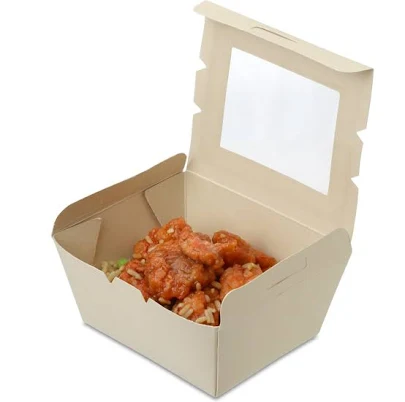
#1 Bamboo Compostable Takeout Containers w. Window and Sticker Seal (200 / case)
Skip until brand discloses coating composition; compostability doesn't address PFAS.
The brand's bamboo takeout containers are marketed as compostable without disclosing the grease-resistant or moisture-barrier coatings. Many compostable food packaging lines use PFAS-based water-repellent treatments.
The better-graded swap
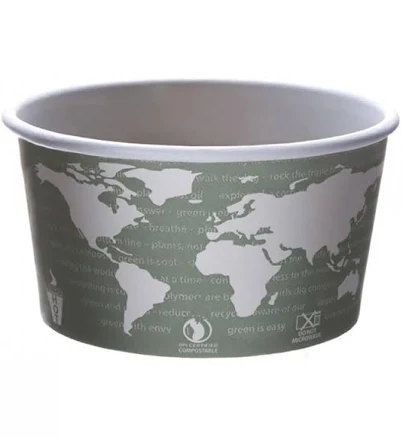
Eco-Products
Eco-Products 12 oz. World Art Compostable Food Containers 25-ct. pack
100/100 safety
Same rubric that flunked this product. The swap earned Excellent.
Still want this one anyway? Check the price on Amazon. We’d swap it.
Material
Bamboo fiber composite with window (likely PLA or cellulose) and moisture/grease-resistant coating (unspecified)
Brand disclosure
Brand is silent on PFAS
Lab data
No public lab test
You may also be interested in
Top-graded picks in the categories readers replace first, every one scored on the same rubric.

- polypropylene filter housing, carbon/sediment cartridge
- We found no PFAS statement from the brand
- Bacterial growth in spent cartridges
3 hazards checked on this product, all on its full breakdown.

Aquasure
Premier Series 75 GPD Under Sink Reverse Osmosis Water Filtration System
- RO membrane, carbon filters, stainless steel housing
- We found no PFAS statement from the brand
- Bacterial and microbial growth in housing and filters
4 hazards checked on this product, all on its full breakdown.

Avocado
Vegan Mattress
- organic cotton, natural latex, coconut coir, recycled steel coils
- The brand calls it PFAS-free, which we have not verified
- Heavy metals
2 hazards checked on this product, all on its full breakdown.
What #1 Bamboo Compostable Takeout (200 / case) is made of, ingredients and materials
The brand's containers are bamboo fiber (a rapidly renewable lignocellulose) bonded with resin, paired with a clear window (typically PLA, polylactic acid, or cellulose acetate) and an unspecified moisture and grease-resistant coating. The coating is the critical unknown, food-contact coatings are commonly PFAS-based to achieve water and oil repellency, though some manufacturers use wax or silicone alternatives. The resin binder and any adhesives pose minimal documented risk for bamboo composites, but the coating composition directly affects whether PFAS or other fluorinated compounds migrate into food.
What’s concerning
Category baseline
The starting point for this type of product, before anything specific to this product is counted.
No PFAS disclosure
No public statement from the brand about PFAS in this product.
Waterproof / stain-resistant treatment
Water-repellent coating treatments have historically used PFAS.
PFAS
The grease-resistant coating is not disclosed. If PFAS-free, it may use silicone or wax; if not disclosed, PFAS presence cannot be ruled out and migration risk is highest with fatty foods or elevated temperatures.
Source, ATSDR ↗PLA window material degradation under stress
If the clear window is PLA, it can leach low levels of antimony (a processing catalyst) or oligomers under heat or with prolonged contact with fatty or acidic food; this is not specific to the brand but inherent to PLA windows in compostable trays.
Migration of coating into food under abuse conditions
Microwave heating, prolonged contact with high-fat foods (fried items, dressings), or mechanical damage (scratching, cracking) to the coating can increase migration of whatever compound provides grease resistance. The brand provides no guidance on temperature limits or food compatibility.
Incomplete biodegradation in non-industrial composting
Compostability claims apply only to certified industrial composting (typically 58 degrees Celsius for 12+ weeks). In home or passive composting, containers may persist for years, and coatings or adhesives may leach into soil or groundwater if not fully mineralized.
What’s reassuring
Resin or adhesive residues in bamboo composite
Bamboo fiber composites typically use formaldehyde-containing phenol-formaldehyde or melamine-formaldehyde resins. No recalls or published safety issues for containers at normal use temperatures, but formaldehyde off-gassing is possible if product is heated or damaged.
How is this PFAS grade calculated?
The brand's record and disclosure
The brand markets these containers as compostable and eco-friendly but does not publicly disclose coating chemistry, PFAS status, or independent safety testing on their product pages or certifications reviewed. The brand has not responded to third-party PFAS inquiries with detailed composition data. Compostability certification (ISO 14855 or similar) addresses end-of-life breakdown but does not verify food-contact safety or the absence of persistent chemicals during use.
How it compares in its category
Bamboo takeout containers occupy a middle ground, they avoid the documented Teflon-type coating risks of some non-stick ceramic or plastic alternatives, but the unspecified grease-resistant coating introduces uncertainty that glass or stainless steel containers do not carry. Most competing compostable takeout containers (PLA-only, bagasse-based) also lack transparent PFAS disclosure. The brand's window design is standard and adds minor leaching risk only if the clear material degrades or is heated.
If you buy it
Use only for cold or room-temperature food; do not heat in microwave or oven, as coatings can degrade and migrate into hot or fatty foods. Replace containers if the coating peels, cracks, or discolors. Do not use for long-term storage of oily or acidic foods (salad dressings, marinades), as these increase leaching potential. Store in a cool, dry place. Composting at certified industrial facilities is the intended end-of-life; home composting may be too cool for full breakdown.
What is not known about PFAS in this product?
- Basis
- Model estimate, 45% confidence, not a lab result
- Lab test
- None on record for this exact product
- Brand statement
- has made none
Formulations change between production runs, so check the current label. How we grade.
What are the PFAS-free alternatives to #1 Bamboo Compostable Takeout Containers w. Window and Sticker Seal (200 / case)?
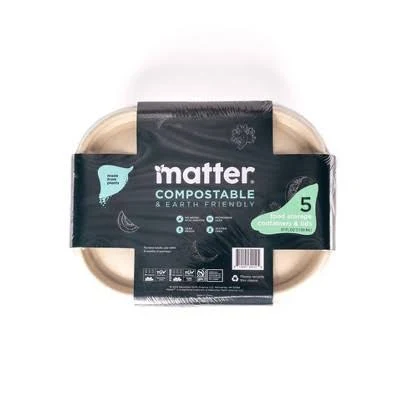
- Plant-based fiber pulp (compostable)
- A third party reports verifying it as PFAS-free
- Microbe/mold growth if stored damp
2 hazards checked on this product, all on its full breakdown.
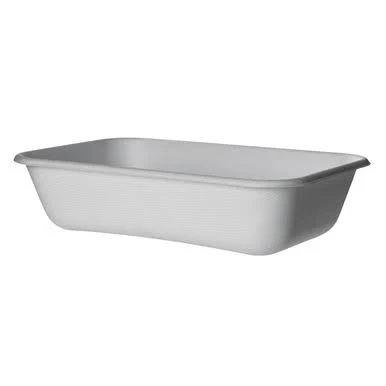
Eco-Products
Eco Products WorldView Compostable Take-Out Containers EP-SCRC32
- Plant-based fiber (compostable sugarcane bagasse)
- A third party reports verifying it as PFAS-free
- Bleaching agents and processing residues
3 hazards checked on this product, all on its full breakdown.
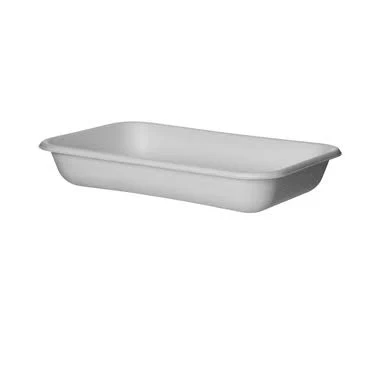
Eco-Products
WorldView Sugarcane Take-Out Containers
- Sugarcane bagasse (post-consumer fiber)
- A third party reports verifying it as PFAS-free
- Cellulose fiber degradation and food contact
2 hazards checked on this product, all on its full breakdown.
More food packaging grades
How we score, every product runs through the same public 0-100 rubric based on materials, coatings, brand disclosure, lab findings, and recalls. See the full methodology → Spotted a mistake? Report an error.