
Microwave Popcorn Bag (generic)
High PFAS concern due to common PFAS-based water and grease barriers.
Generic microwave popcorn bags carry significant PFAS risk from grease-resistant coatings used in food packaging.
The better-graded swap
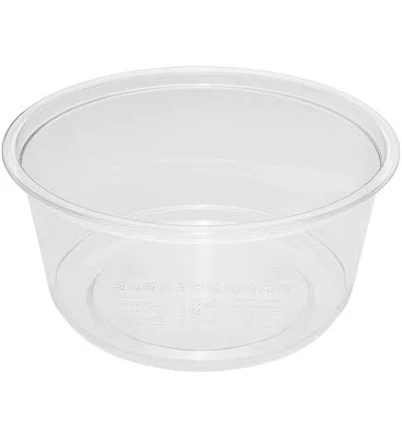
Karat
Karat Earth Eco-Friendly PLA Round Deli Container
100/100 safety
Same rubric that flunked this product. The swap earned Excellent.
Still want this one anyway? Check the price on Amazon. We’d swap it.
You may also be interested in
Top-graded picks in the categories readers replace first, every one scored on the same rubric.

- polypropylene filter housing, carbon/sediment cartridge
- We found no PFAS statement from the brand
- Bacterial growth in spent cartridges
3 hazards checked on this product, all on its full breakdown.

Aquasure
Premier Series 75 GPD Under Sink Reverse Osmosis Water Filtration System
- RO membrane, carbon filters, stainless steel housing
- We found no PFAS statement from the brand
- Bacterial and microbial growth in housing and filters
4 hazards checked on this product, all on its full breakdown.

Avocado
Vegan Mattress
- organic cotton, natural latex, coconut coir, recycled steel coils
- The brand calls it PFAS-free, which we have not verified
- Heavy metals
2 hazards checked on this product, all on its full breakdown.
What Microwave Popcorn Bag (generic) is made of, ingredients and materials
Most microwave popcorn bags are lined with multiple plastic films and paper layers designed to withstand heat and contain butter oils and moisture. The inner lining typically includes polyester or polypropylene, often coated with PFAS-based water and grease repellents to prevent oil penetration and steam escape. The outer kraft paper may contain BPA-based adhesives or coatings. This multilayer construction makes recycling difficult and migration of coating chemicals into food during heating a documented concern.
What’s concerning
Category baseline
The starting point for this type of product, before anything specific to this product is counted.
No PFAS disclosure
No public statement from the brand about PFAS in this product.
Waterproof / stain-resistant treatment
Water-repellent coating treatments have historically used PFAS.
BPA & bisphenols
Generic popcorn bags often use phenolic or epoxy adhesives to bind layers; these may leach trace BPA into heated food. No public testing specific to this product category has been published, but structurally similar microwave-safe containers have shown measurable migration under heat.
Source, FDA ↗Phthalate plasticizers in polyester or PVC inner films
Some generic bag linings may incorporate phthalates as plasticizers to improve flexibility. Heating accelerates diffusion into oily foods like buttered popcorn. Phthalate migration is dose-dependent and below acute toxicity thresholds in occasional use, but chronic low-level exposure is of regulatory concern.
Microplastic fragments from bag degradation during heating
Repeated heating cycles and high internal steam pressure can cause the outer kraft paper to degrade and shed fibers or coating fragments into the popcorn. Generic bags typically use thinner materials than premium brands and may be more prone to this degradation over shelf life.
Volatile organic compounds (VOCs) from adhesives and coatings during heating
Microwave heating releases volatile solvent residues from adhesives and thermal printing inks used on the bag exterior. While typically vented during cooking, inhalation of popcorn steam near the bag can deliver low doses of these compounds to the respiratory tract.
Unidentified chemical coatings and their migration into food
Independent lab testing (FDA surveys and academic papers) has detected unidentified fluorinated compounds and other grease-barrier chemicals in microwave popcorn and related packaging. Generic brands are more likely to use cheaper, less-regulated coating formulations than labeled alternatives.
How is this PFAS grade calculated?
The brand's record and disclosure
Generic popcorn bags have no established manufacturer identity or public safety disclosure practices. Since PFAS regulatory pressure has increased, some major popcorn brands have begun phasing PFAS coatings, but most generic store brands do not publish material sourcing or have publicly committed to PFAS elimination. No verified certifications (like NSF or Cradle to Cradle) are standard for this product category. Without brand accountability, assume worst-case material sourcing.
How it compares in its category
Microwave popcorn bags are among the highest-risk food contact packaging due to PFAS reliance and heating exposure. Pre-popped popcorn in cardboard cartons or paper bags with minimal coating pose lower migration risk. Stovetop popcorn in untreated glass pots eliminates packaging hazards entirely. Some newer eco-branded popcorn bags claim PFAS-free construction but command price premiums and are less widely available than generic alternatives.
If you buy it
Do not reuse bags or expose them to temperatures above the microwave cycle. Avoid tearing or puncturing the bag before use, as this may increase surface area for chemical migration. Limit frequency to occasional use rather than daily consumption, especially for children. Consider decanting popped corn into a ceramic bowl immediately after cooking to minimize post-heating contact with the bag lining. Store unpopped bags in a cool, dry place away from light, as heat and UV can degrade coatings.
What is not known about PFAS in this product?
- Basis
- Model estimate, 100% confidence, not a lab result
- Lab test
- None on record for this exact product
- Brand statement
- Generic has made a specific claim
Formulations change between production runs, so check the current label. How we grade.
What are the PFAS-free alternatives to Microwave Popcorn Bag (generic)?
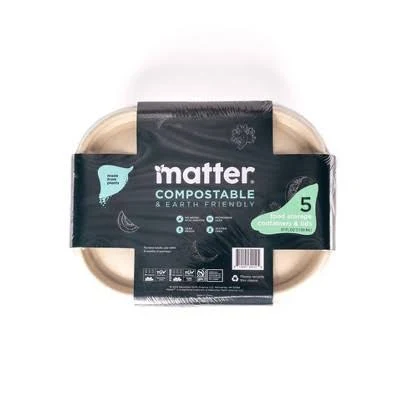
- Plant-based fiber pulp (compostable)
- A third party reports verifying it as PFAS-free
- Microbe/mold growth if stored damp
2 hazards checked on this product, all on its full breakdown.
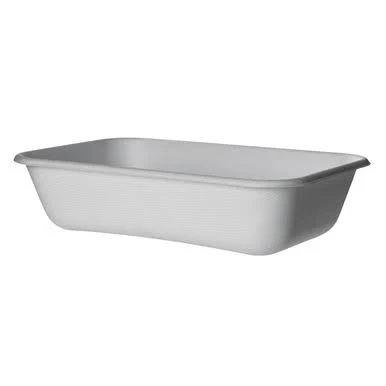
Eco-Products
Eco Products WorldView Compostable Take-Out Containers EP-SCRC32
- Plant-based fiber (compostable sugarcane bagasse)
- A third party reports verifying it as PFAS-free
- Bleaching agents and processing residues
3 hazards checked on this product, all on its full breakdown.
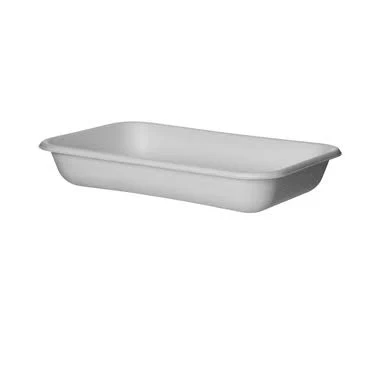
Eco-Products
WorldView Sugarcane Take-Out Containers
- Sugarcane bagasse (post-consumer fiber)
- A third party reports verifying it as PFAS-free
- Cellulose fiber degradation and food contact
2 hazards checked on this product, all on its full breakdown.
More food packaging grades
How we score, every product runs through the same public 0-100 rubric based on materials, coatings, brand disclosure, lab findings, and recalls. See the full methodology → Spotted a mistake? Report an error.