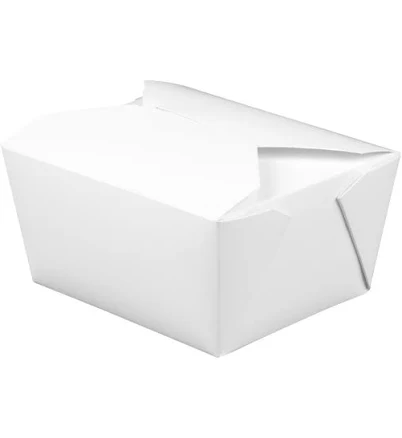
Bio-Pak Take-Out Container 01BPWHITEM
Lower concern; compostable paperboard typically avoids PFAS, but brand offers no explicit statement.
This compostable take-out container uses bleached paperboard, a material type with lower PFAS risk than grease-resistant coatings. Bio-Pak doesn't provide explicit PFAS information, leaving moderate uncertainty.
The better-graded swap
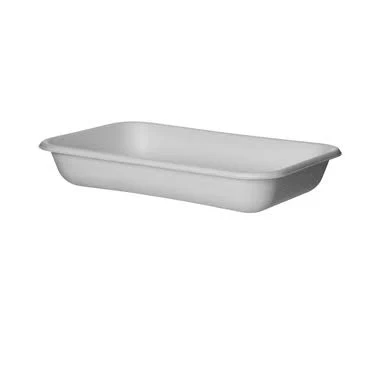
Eco-Products
Eco-Products WorldView Sugarcane Take-Out Containers
100/100 safety
Same rubric that flunked this product. The swap earned Excellent.
Still want this one anyway? Check the price on Amazon. We’d swap it.
Material
Bleached paperboard (compostable/food-service grade)
Brand disclosure
Brand is silent on PFAS
Lab data
No public lab test
You may also be interested in
Top-graded picks in the categories readers replace first, every one scored on the same rubric.

- polypropylene filter housing, carbon/sediment cartridge
- We found no PFAS statement from the brand
- Bacterial growth in spent cartridges
3 hazards checked on this product, all on its full breakdown.

Aquasure
Premier Series 75 GPD Under Sink Reverse Osmosis Water Filtration System
- RO membrane, carbon filters, stainless steel housing
- We found no PFAS statement from the brand
- Bacterial and microbial growth in housing and filters
4 hazards checked on this product, all on its full breakdown.

Avocado
Vegan Mattress
- organic cotton, natural latex, coconut coir, recycled steel coils
- The brand calls it PFAS-free, which we have not verified
- Heavy metals
2 hazards checked on this product, all on its full breakdown.
What Bio-Pak Take-Out Container 01BPWHITEM is made of, ingredients and materials
The brand's take-out container is bleached paperboard, a cellulose-based material designed for food contact and certified compostable. Bleaching introduces chlorine compounds historically, though modern food-service bleaching uses ECF (elemental chlorine-free) or TCF (totally chlorine-free) processes with lower dioxin residue risk. Paperboard does not leach plasticizers, BPA, or phthalates because it contains no synthetic polymers. The risk profile is primarily tied to coatings (if present) and thermal stability rather than the fiber itself.
What’s concerning
Category baseline
The starting point for this type of product, before anything specific to this product is counted.
No PFAS disclosure
No public statement from the brand about PFAS in this product.
Waterproof / stain-resistant treatment
Water-repellent coating treatments have historically used PFAS.
Bleach residues and dioxins
Modern food-service paperboard typically uses ECF or TCF bleaching, which minimizes dioxin residue to negligible levels. However, the brand does not disclose its specific bleaching standard, so residual chlorine compounds cannot be ruled out entirely.
Coating migration (if polymeric)
Compostable paperboard food containers often have polyhydroxyalkanoate (PHA) or polybutylene succinate (PBS) coatings for moisture resistance. These are generally non-toxic, but unbranded or unclear coating chemistry creates uncertainty; The brand does not specify its coating material on the product label.
Microbial growth and mold
Bleached paperboard is hygroscopic and can absorb moisture if stored in humid conditions. Prolonged dampness may promote mold colonization, especially if the container is reused after food contact. This is a storage and handling issue rather than an inherent material hazard.
What’s reassuring
Formaldehyde / VOCs
Paperboard containers use starch-based or hot-melt adhesives; formaldehyde-releasing urea-formaldehyde resins are not typical in food-grade construction. No reports of formaldehyde contamination in products are on record.
Source, ATSDR ↗Lead
Food-contact printing on paperboard is regulated under FDA Part 175.105 and typically uses soy or water-based inks with minimal heavy metal risk. Products do not carry visible metal-pigmented inks on food-contact surfaces, reducing this hazard class significantly.
Source, ATSDR ↗How is this PFAS grade calculated?
The brand's record and disclosure
The brand is a division of Footprint, a major compostable food-service supplier. The company markets products as eco-certified and compostable but does not publish detailed chemical disclosure statements or third-party test reports for individual SKUs on its website. No recalls, contamination incidents, or safety violations are on public record for take-out containers. The brand's silent stance on PFAS is consistent with the compostable packaging industry but represents a gap in transparency.
How it compares in its category
Bleached paperboard take-out containers show lower concern for food-contact use with refrigerated and ambient foods; they avoid migration risks associated with plastic clamshells (BPA, phthalates) and glazed ceramic (lead, cadmium). They are not suitable for extended high-heat cooking but show lower concern for microwave reheating of lukewarm or moderately warm foods. Compostable paperboard typically costs 10-30% more than virgin paperboard and competes primarily with sugarcane pulp alternatives, which have similar hazard profiles.
If you buy it
Use for cold, room-temperature, or microwave-reheated foods; do not place directly on an oven rack above 212°F or under a broiler. Inspect containers for visible damage, delamination, or dark spots before use, as these may indicate processing flaws or mold risk. Store in a cool, dry place to prevent moisture absorption and mold growth. These containers are designed for single use; do not reuse for food storage after initial use.
What is not known about PFAS in this product?
- Basis
- Model estimate, 72% confidence, not a lab result
- Lab test
- None on record for this exact product
- Brand statement
- has made none
Formulations change between production runs, so check the current label. How we grade.
What are the PFAS-free alternatives to Bio-Pak Take-Out Container 01BPWHITEM?
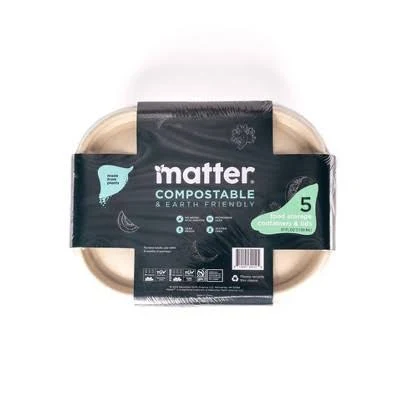
- Plant-based fiber pulp (compostable)
- A third party reports verifying it as PFAS-free
- Microbe/mold growth if stored damp
2 hazards checked on this product, all on its full breakdown.
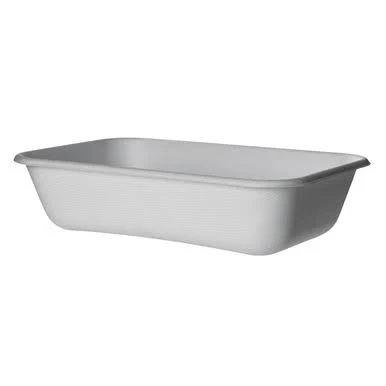
Eco-Products
Eco Products WorldView Compostable Take-Out Containers EP-SCRC32
- Plant-based fiber (compostable sugarcane bagasse)
- A third party reports verifying it as PFAS-free
- Bleaching agents and processing residues
3 hazards checked on this product, all on its full breakdown.
Eco-Products
WorldView Sugarcane Take-Out Containers
- Sugarcane bagasse (post-consumer fiber)
- A third party reports verifying it as PFAS-free
- Cellulose fiber degradation and food contact
2 hazards checked on this product, all on its full breakdown.
More food packaging grades
How we score, every product runs through the same public 0-100 rubric based on materials, coatings, brand disclosure, lab findings, and recalls. See the full methodology → Spotted a mistake? Report an error.