McDonald's Food Wrapper
High PFAS concern from standard food contact coating practices.
McDonald's food wrappers contain grease-resistant coatings typical of fast-food packaging, a major PFAS exposure source.
The better-graded swap
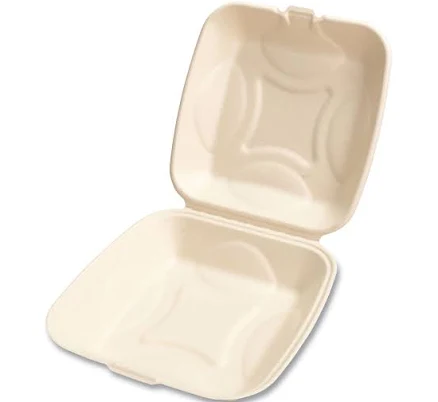
Bagasse
Bagasse PFAS-Free Food Containers
95/100 safety
Same rubric that flunked this product. The swap earned Excellent.
Still want this one anyway? Check the price on Amazon. We’d swap it.
You may also be interested in
Top-graded picks in the categories readers replace first, every one scored on the same rubric.

- polypropylene filter housing, carbon/sediment cartridge
- We found no PFAS statement from the brand
- Bacterial growth in spent cartridges
3 hazards checked on this product, all on its full breakdown.

Aquasure
Premier Series 75 GPD Under Sink Reverse Osmosis Water Filtration System
- RO membrane, carbon filters, stainless steel housing
- We found no PFAS statement from the brand
- Bacterial and microbial growth in housing and filters
4 hazards checked on this product, all on its full breakdown.

Avocado
Vegan Mattress
- organic cotton, natural latex, coconut coir, recycled steel coils
- The brand calls it PFAS-free, which we have not verified
- Heavy metals
2 hazards checked on this product, all on its full breakdown.
What McDonald's Food Wrapper is made of, ingredients and materials
McDonald's food wrappers are typically multi-layer laminates combining paper, plastic films (often polyethylene), and a grease-resistant coating applied to the interior surface. The coating is the critical layer, it prevents oil and moisture migration but is the primary source of PFAS contamination in food contact packaging. The specific polymer and coating formulation vary by wrapper type (burger, sandwich, fry sleeve) and are not fully disclosed by the company; this opacity is itself a safety communication issue.
What’s concerning
Category baseline
The starting point for this type of product, before anything specific to this product is counted.
Vague safety claims only
Uses vague language ("eco-friendly", "clean") without a specific PFAS statement.
Waterproof / stain-resistant treatment
Water-repellent coating treatments have historically used PFAS.
PFAS
Independent testing by Environmental Working Group and peer-reviewed studies have detected PFAS compounds (primarily perfluoroalkyl substances) in food contact wrappers from major chains including McDonald's. Migration into fatty or acidic foods occurs, particularly under warm conditions.
Source, ATSDR ↗BPA & bisphenols
Polyethylene films in laminates are not known to intentionally contain BPA/BPS, but if any polycarbonate or epoxy-based adhesives are used in lamination, trace leaching is theoretically possible; no product-specific data published.
Source, FDA ↗Ink and pigment migration from printed surfaces
Outer printed surfaces may contain heavy metals in pigments or non-food-grade inks; direct contact between food and printed areas should be minimized. McDonald's wrapper design typically separates printed exterior from food contact, reducing direct exposure.
Thermal migration of coating components at high temperature
If wrapper remains in contact with hot food (fries, fresh burgers above 60C) for extended periods, PFAS and other coating components may migrate more readily into food; this is a use-condition hazard, not a material defect.
What’s reassuring
Microplastic from degraded laminate
No documented incidents of microplastic shedding from McDonald's wrappers under normal storage or food contact conditions, but laminate degradation over extended storage could theoretically release polymer fragments.
How is this PFAS grade calculated?
The brand's record and disclosure
McDonald's has not publicly committed to eliminating PFAS from food contact materials or provided detailed ingredient disclosure for wrapper coatings. The company has faced pressure from environmental groups and advocacy organizations regarding PFAS in packaging but has not issued a specific timeline for reformulation. No product-specific safety certifications (e.g., compostable, PFAS-free verification) are marketed on standard packaging. Transparency on material composition remains limited compared to some food service competitors.
How it compares in its category
Fast-food wrappers across the industry rely on similar grease-resistant coatings, making McDonald's wrappers representative of category-wide PFAS exposure rather than an outlier. Some competitors have piloted or committed to PFAS-free alternatives (e.g., wax, silicone, or non-fluorinated polymer coatings), but adoption remains incomplete. Uncoated or minimally coated paper and cardboard (used by some chains for specific items) present lower chemical burden but higher moisture/grease permeability. Reusable containers eliminate single-use wrapper exposure entirely.
If you buy it
Do not heat food in the wrapper (e.g., microwave or oven); unwrap before eating or reheating to minimize PFAS migration from the coating into food. Dispose of wrappers in regular waste (they are not recyclable in most systems due to coating contamination). If you consume McDonald's frequently, consider mitigating steps, unwrap food immediately after purchase, eat outside the wrapper, and alternate with meals from sources using uncoated or PFAS-free packaging. Occasional exposure is lower risk than chronic consumption patterns.
What is not known about PFAS in this product?
- Basis
- Model estimate, 100% confidence, not a lab result
- Lab test
- None on record for this exact product
- Brand statement
- McDonald's has made a specific claim
Formulations change between production runs, so check the current label. How we grade.
What are the PFAS-free alternatives to McDonald's Food Wrapper?
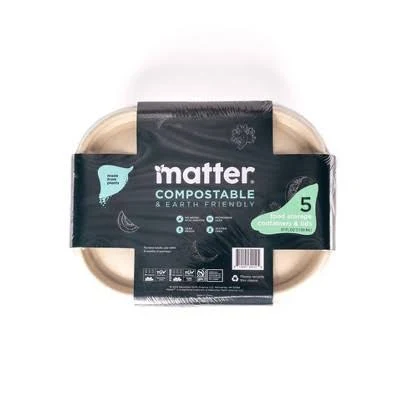
- Plant-based fiber pulp (compostable)
- A third party reports verifying it as PFAS-free
- Microbe/mold growth if stored damp
2 hazards checked on this product, all on its full breakdown.
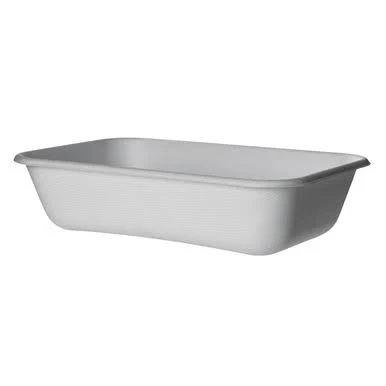
Eco-Products
Eco Products WorldView Compostable Take-Out Containers EP-SCRC32
- Plant-based fiber (compostable sugarcane bagasse)
- A third party reports verifying it as PFAS-free
- Bleaching agents and processing residues
3 hazards checked on this product, all on its full breakdown.
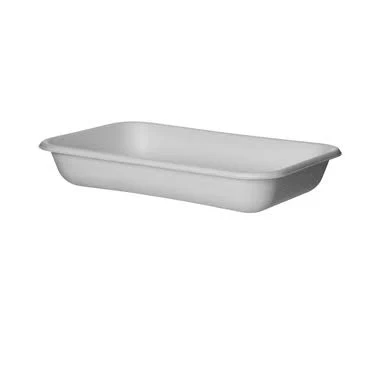
Eco-Products
WorldView Sugarcane Take-Out Containers
- Sugarcane bagasse (post-consumer fiber)
- A third party reports verifying it as PFAS-free
- Cellulose fiber degradation and food contact
2 hazards checked on this product, all on its full breakdown.
More food packaging grades
How we score, every product runs through the same public 0-100 rubric based on materials, coatings, brand disclosure, lab findings, and recalls. See the full methodology → Spotted a mistake? Report an error.