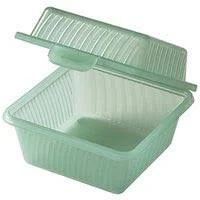
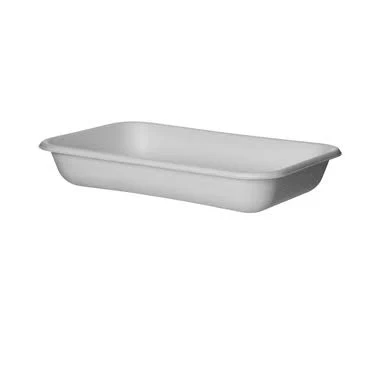
ECO-Takeout Single Entree Food Container EC-08 (Jade)
A water-repellent or grease-resistant treatment of unstated chemistry, and no PFAS statement from the brand.
The brand has published no PFAS statement for this product that we could find. Its record describes a water-repellent or grease-resistant treatment of unstated chemistry, which is still counted.
The better-graded swap
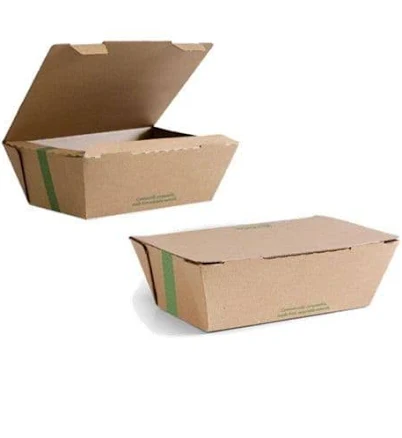
Vegware
Vegware Compostable Microflute Takeaway Box
100/100 safety
Same rubric that flunked this product. The swap earned Excellent.
Still want this one anyway? Check the price on Amazon. We’d swap it.
Material
Molded fiber (post-consumer waste) with water-based coating
Brand disclosure
Brand is silent on PFAS
Lab data
No public lab test
You may also be interested in
Top-graded picks in the categories readers replace first, every one scored on the same rubric.

- polypropylene filter housing, carbon/sediment cartridge
- We found no PFAS statement from the brand
- Bacterial growth in spent cartridges
3 hazards checked on this product, all on its full breakdown.

Aquasure
Premier Series 75 GPD Under Sink Reverse Osmosis Water Filtration System
- RO membrane, carbon filters, stainless steel housing
- We found no PFAS statement from the brand
- Bacterial and microbial growth in housing and filters
4 hazards checked on this product, all on its full breakdown.

Avocado
Vegan Mattress
- organic cotton, natural latex, coconut coir, recycled steel coils
- The brand calls it PFAS-free, which we have not verified
- Heavy metals
2 hazards checked on this product, all on its full breakdown.
What ECO-Takeout Single Entree EC-08 (Jade) is made of, ingredients and materials
This container is molded fiber (recycled paper/cardboard), which is inherently low-toxicity and biodegradable. However, it carries a water-based coating applied for grease and moisture resistance. The brand has not publicly disclosed the chemical identity of this coating, which is the core safety gap, molded fiber coatings can include soy-based, acrylic, or synthetic polymer formulations, each with different leaching and off-gassing profiles. The coating's durability and behavior when exposed to heat or acidic/oily foods is therefore difficult to assess without ingredient transparency.
What’s concerning
No PFAS disclosure
No public statement from the brand about PFAS in this product.
Category baseline
The starting point for this type of product, before anything specific to this product is counted.
Waterproof / stain-resistant treatment
Water-repellent coating treatments have historically used PFAS.
Coating leachables (unidentified water-repellent treatment)
The water-based coating is not chemically disclosed by the brand. While molded fiber itself is low-risk, unknown synthetic or polymer-based coating additives could leach into fatty, acidic, or hot foods. Risk is likely low for room-temperature use but cannot be ruled out without ingredient transparency.
Coating degradation and particle migration
Repeated use, heating, or contact with aggressive foods (high salt, acid, oils) may cause the coating to flake, peel, or shed micro-particles into food. No data on this specific formulation's durability is publicly available; risk depends on both coating chemistry and food contact conditions.
Microbial growth or mold in fiber substrate
Molded fiber is porous paper-based material; if the container is stored in humid conditions or reused without thorough drying, the substrate itself can support mold or bacterial growth. This is a use-and-storage hazard rather than a chemical one, but relevant to food safety.
What’s reassuring
Off-gassing or volatile organic compounds from coating
Water-based coatings are generally lower-VOC than solvent-borne alternatives, and no reports of odor or off-gassing issues with molded fiber products have been documented. However, the lack of ingredient disclosure means VOC profile cannot be independently confirmed.
Allergens in coating or adhesives
The brand does not disclose allergen information for coatings or adhesives. If soy-based binders are used, individuals with soy allergy could theoretically be at risk from coating migration, but no cases or testing are on record for this product.
How is this PFAS grade calculated?
The brand's record and disclosure
The brand markets itself as an eco-conscious, sustainable packaging alternative and has made public commitments to food safety and compostability. However, the company has remained silent on PFAS content and the specific chemistry of water-repellent treatments across its product line, which is a notable transparency gap given industry-wide scrutiny of non-stick and grease-resistant coatings. No major recalls or safety controversies specific to this product are on record. The brand's EarthBox line positions this as a premium eco option, but the lack of third-party certification or ingredient disclosure limits independent verification of safety claims.
How it compares in its category
Molded fiber containers like this are generally considered lower concern than plastic clamshells or polystyrene because they avoid BPA, phthalates, and microplastic shedding risks. They are also more compostable and lower in persistent chemical burden than traditional coated paperboard. However, many competitors in the eco-takeout space (such as containers certified compostable by BPI or labeled PFOA/PFAS-free) provide explicit chemical assurances that the brand does not. This product sits in the middle, better than conventional plastic or foam, but less transparent than certified alternatives.
If you buy it
Use this container for room-temperature to warm foods (below 140F ideally) and avoid prolonged contact with hot, greasy, or acidic items, which may accelerate coating breakdown or leaching. Do not microwave or expose to direct heat, as the water-based coating stability under temperature stress is unknown. Replace the container if the interior surface shows visible wear, flaking, or discoloration, which signals coating degradation. Compost according to local guidelines (many facilities accept molded fiber), and do not reuse for non-food storage without washing thoroughly.
What is not known about PFAS in this product?
- Basis
- Model estimate, 78% confidence, not a lab result
- Lab test
- None on record for this exact product
- Brand statement
- has made none
Formulations change between production runs, so check the current label. How we grade.
What are the PFAS-free alternatives to ECO-Takeout Single Entree Food Container EC-08 (Jade)?
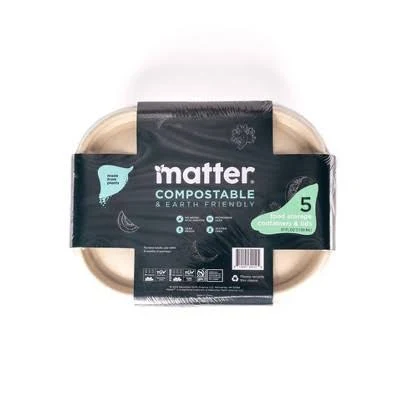
- Plant-based fiber pulp (compostable)
- A third party reports verifying it as PFAS-free
- Microbe/mold growth if stored damp
2 hazards checked on this product, all on its full breakdown.
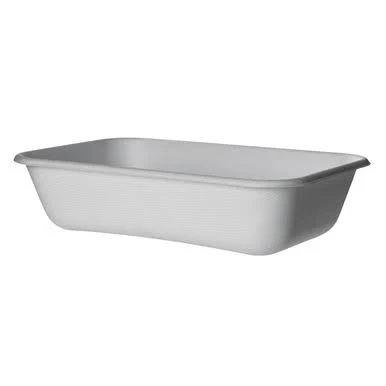
Eco-Products
Eco Products WorldView Compostable Take-Out Containers EP-SCRC32
- Plant-based fiber (compostable sugarcane bagasse)
- A third party reports verifying it as PFAS-free
- Bleaching agents and processing residues
3 hazards checked on this product, all on its full breakdown.
Eco-Products
WorldView Sugarcane Take-Out Containers
- Sugarcane bagasse (post-consumer fiber)
- A third party reports verifying it as PFAS-free
- Cellulose fiber degradation and food contact
2 hazards checked on this product, all on its full breakdown.
More food packaging grades
How we score, every product runs through the same public 0-100 rubric based on materials, coatings, brand disclosure, lab findings, and recalls. See the full methodology → Spotted a mistake? Report an error.