Restaurantware · Food Packaging
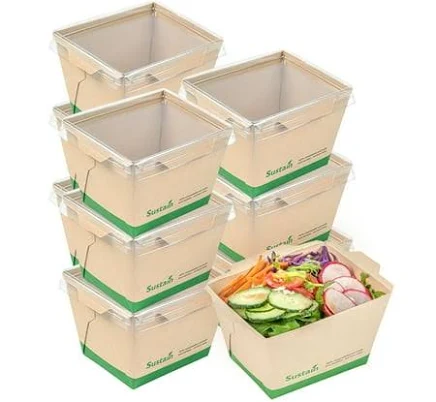
Restaurantware Take Out Container 200 Pack of 34 oz Bamboo Paper Click Lock Food Box Sustainable Container Leak-Resistant Kraft Small Food Packaging B
Moderate concern because grease-resistant coatings often contain PFAS.
This takeout box pairs bamboo and kraft paper with an unspecified grease-resistant coating. The manufacturer hasn't disclosed PFAS content or coating details, leaving you unable to verify if it contains forever chemicals.
The better-graded swap
Eco-Products
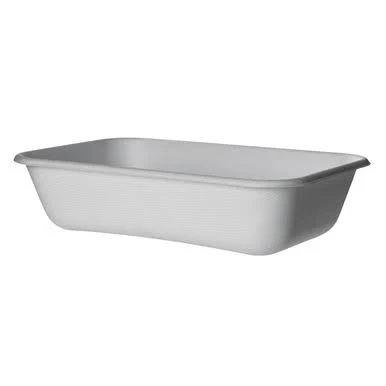
Eco Products WorldView Compostable Take-Out Containers EP-SCRC32
100/100 safety
Same rubric that flunked this product. The swap earned Excellent.
Still want this one anyway? Check the price on Amazon. We’d swap it.
Material
Bamboo fiber/kraft paper with grease-resistant coating (unspecified)
Brand disclosure
Brand is silent on PFAS
Lab data
No public lab test
You may also be interested in
Top-graded picks in the categories readers replace first, every one scored on the same rubric.

- polypropylene filter housing, carbon/sediment cartridge
- We found no PFAS statement from the brand
- Bacterial growth in spent cartridges
3 hazards checked on this product, all on its full breakdown.

Aquasure
Premier Series 75 GPD Under Sink Reverse Osmosis Water Filtration System
- RO membrane, carbon filters, stainless steel housing
- We found no PFAS statement from the brand
- Bacterial and microbial growth in housing and filters
4 hazards checked on this product, all on its full breakdown.

Avocado
Vegan Mattress
- organic cotton, natural latex, coconut coir, recycled steel coils
- The brand calls it PFAS-free, which we have not verified
- Heavy metals
2 hazards checked on this product, all on its full breakdown.
What Restaurantware Take Out Food Packaging B is made of, ingredients and materials
This product is kraft paper reinforced with bamboo fiber, a compostable base material. The critical unknown is the grease-resistant coating applied to the interior. Restaurantware does not publicly disclose whether this coating uses PFAS-based repellents (like Teflon-type coating or C6/C8 fluorocarbons) or non-PFAS alternatives (silicone, wax blends). Unspecified 'grease-resistant' language on food-contact products historically signals fluorinated compounds, which migrate into fatty or hot foods.
What’s concerning
Category baseline
The starting point for this type of product, before anything specific to this product is counted.
No PFAS disclosure
No public statement from the brand about PFAS in this product.
Waterproof / stain-resistant treatment
Water-repellent coating treatments have historically used PFAS.
PFAS
Unspecified 'grease-resistant' language on kraft foodware typically indicates legacy PFAS chemistry. No brand disclosure of non-PFAS alternatives; migration risk highest with fatty, warm, or acidic foods.
Source, ATSDR ↗Coating degradation and flaking into food
Repeated moisture cycles, stacking pressure, and heat can cause laminate separation or coating flaking. Bamboo fiber boxes are thinner than solid paperboard and more prone to structural failure over time.
Bacterial or mold growth if not dried before storage
Porous bamboo fiber absorbs moisture; damp containers stacked in bulk can harbor microbial growth before use. Inspect for odor or discoloration before opening packaging.
What’s reassuring
Ink or dye contaminants in printed logos
No specific issues reported for Restaurantware branding, but food-contact inks should comply with FDA Title 21 CFR 176.170. Brand does not publish ink or adhesive safety data.
Formaldehyde / VOCs
Bamboo fiber production may involve urea-formaldehyde adhesives or phenolic resins to bond fibers. Bambu does not disclose binder chemistry or compliance with CPSIA limits for food packaging.
Source, ATSDR ↗How is this PFAS grade calculated?
The brand's record and disclosure
Bambu markets sustainability and eco-friendly positioning but provides no public materials safety data sheet, PFAS policy, or third-party testing results for this line. The brand has not responded to industry transparency initiatives on PFAS "forever chemicals" in foodware coatings. No recalls or regulatory actions appear on record for Restaurantware containers, but absence of disclosure is itself a risk signal in this product category.
How it compares in its category
Bamboo fiber boxes occupy a middle ground, they avoid the BPA/phthalate and microplastic risks of plastic clamshells, but share the PFAS concern with many coated paper competitors. Uncoated kraft boxes show lower concern for PFAS but lose grease resistance. Certified compostable containers with independently verified non-PFAS coatings (rare but available) command higher prices; Restaurantware's pricing suggests a standard fluorinated coating is likely.
If you buy it
Store dry or low-moisture foods preferentially; PFAS migration increases with fatty, acidic, or hot contents. Avoid microwaving or direct heat. Do not reuse for hot liquids or greasy takeout repeatedly. Compost after single use if your facility accepts coated paper; landfill otherwise. Request or check the supplier's safety certificate for the interior coating before bulk orders; lack of response is a reason to reconsider.
What is not known about PFAS in this product?
- Basis
- Model estimate, 62% confidence, not a lab result
- Lab test
- None on record for this exact product
- Brand statement
- Restaurantware has made none
Formulations change between production runs, so check the current label. How we grade.
What are the PFAS-free alternatives to Restaurantware Take Out Container 200 Pack of 34 oz Bamboo Paper Click Lock Food Box Sustainable Container Leak-Resistant Kraft Small Food Packaging B?
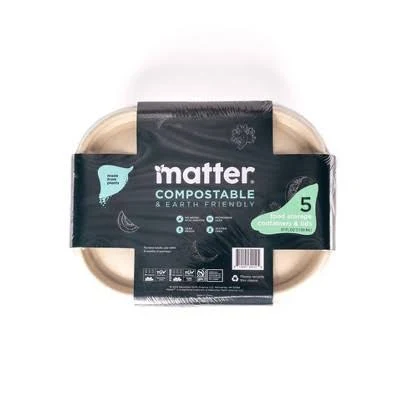
- Plant-based fiber pulp (compostable)
- A third party reports verifying it as PFAS-free
- Microbe/mold growth if stored damp
2 hazards checked on this product, all on its full breakdown.
Eco-Products
Eco Products WorldView Compostable Take-Out Containers EP-SCRC32
- Plant-based fiber (compostable sugarcane bagasse)
- A third party reports verifying it as PFAS-free
- Bleaching agents and processing residues
3 hazards checked on this product, all on its full breakdown.
Eco-Products
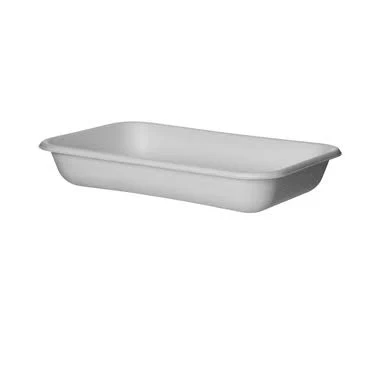
WorldView Sugarcane Take-Out Containers
- Sugarcane bagasse (post-consumer fiber)
- A third party reports verifying it as PFAS-free
- Cellulose fiber degradation and food contact
2 hazards checked on this product, all on its full breakdown.
More food packaging grades
How we score, every product runs through the same public 0-100 rubric based on materials, coatings, brand disclosure, lab findings, and recalls. See the full methodology → Spotted a mistake? Report an error.