Restaurantware · Food Packaging
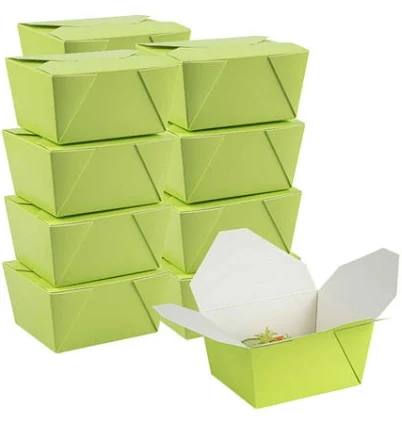
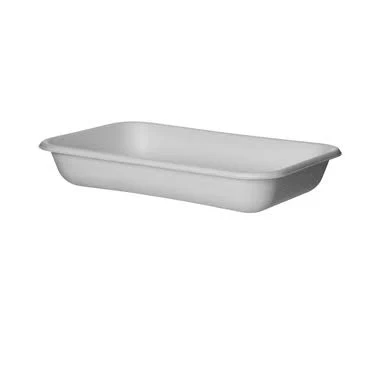
Restaurantware Bio Tek 30 oz Rectangle Paper #1 Bio Box Take Out Container
Lower concern; plant base likely avoids traditional fluorinated coatings, mechanism unspecified.
Restaurantware's plant-based compostable box lacks brand disclosure about PFAS presence or the barrier coating chemistry. Plant substrates typically resist PFAS use, but no third-party verification or explicit PFAS-free claim creates uncertainty.
The better-graded swap
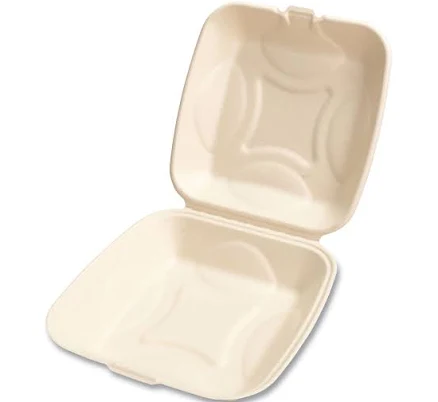
Bagasse
Bagasse PFAS-Free Food Containers
95/100 safety
Same rubric that flunked this product. The swap earned Excellent.
Still want this one anyway? Check the price on Amazon. We’d swap it.
Material
Plant-based paperboard (Biotrem proprietary) with water/grease barrier
Brand disclosure
Brand is silent on PFAS
Lab data
No public lab test
You may also be interested in
Top-graded picks in the categories readers replace first, every one scored on the same rubric.

- polypropylene filter housing, carbon/sediment cartridge
- We found no PFAS statement from the brand
- Bacterial growth in spent cartridges
3 hazards checked on this product, all on its full breakdown.

Aquasure
Premier Series 75 GPD Under Sink Reverse Osmosis Water Filtration System
- RO membrane, carbon filters, stainless steel housing
- We found no PFAS statement from the brand
- Bacterial and microbial growth in housing and filters
4 hazards checked on this product, all on its full breakdown.

Avocado
Vegan Mattress
- organic cotton, natural latex, coconut coir, recycled steel coils
- The brand calls it PFAS-free, which we have not verified
- Heavy metals
2 hazards checked on this product, all on its full breakdown.
What Restaurantware Bio Tek 30 oz Out Container is made of, ingredients and materials
Restaurantware Bio Tek uses Biotrem's proprietary plant-based paperboard, derived from agricultural waste (typically bagasse or similar cellulose fibers) rather than virgin wood pulp or petroleum plastics. The water and grease barrier is the critical component here, traditional take-out boxes use PFAS-coatings (fluorinated chemicals) for this job, but Biotrem's plant-base formulation likely employs organic or mineral-based barriers instead. The specific barrier mechanism is not publicly disclosed by the manufacturer, which limits full verification of non-toxic alternatives, but the absence of synthetic polymer coatings is the primary advantage over conventional paperboard.
What’s concerning
Category baseline
The starting point for this type of product, before anything specific to this product is counted.
No PFAS disclosure
No public statement from the brand about PFAS in this product.
Waterproof / stain-resistant treatment
Water-repellent coating treatments have historically used PFAS.
Microbial contamination (mold, bacteria growth)
Plant-based paperboard is more prone to fungal colonization than plastic-coated alternatives if stored in humid conditions before use. Once saturated with moisture or grease, barrier degradation can accelerate, creating conditions for pathogenic growth if the container is reused or stored improperly.
Barrier degradation under heat
Plant-based coatings typically lose water/grease repellency faster than Teflon-type coating or traditional polyethylene coatings when exposed to temperatures above 60-70°C. Hot foods or liquids may cause premature breakdown, increasing risk of grease migration into the paperboard structure and potential leaching of barrier residues.
Compostability claims verification
While Bio Tek carries compostability certification, actual industrial composting infrastructure acceptance varies by facility. Failure to compost properly leaves the product in landfills or marine environments, where degradation is very slow and fragmentation into microfibers is possible.
What’s reassuring
PFAS
Biotrem does not publicly identify the specific organic or mineral compounds used in the water/grease barrier. No established toxicity reports exist for this product, but the proprietary nature means independent verification of leaching safety under acidic or oily food contact is unavailable.
Source, ATSDR ↗Residual chemicals from agricultural feedstock
If paperboard is made from bagasse or other agricultural waste, pesticide residues or processing chemicals from the source material could theoretically remain in the final product. No safety data on this specific Biotrem line is publicly available; agricultural waste cleaning standards are not mandated by the brand.
How is this PFAS grade calculated?
The brand's record and disclosure
Biotrem has published compostability certifications (EN 13432 or equivalent regional standards) and markets the product as home and industrial compostable, signaling commitment to end-of-life environmental claims. However, the brand maintains minimal transparency on material composition and barrier chemistry, proprietary formulations are cited as the reason. No major recalls, regulatory actions, or independent safety testing results are on public record for this specific product line. The lack of detailed chemical disclosure is a transparency gap rather than an established safety concern.
How it compares in its category
Most conventional take-out containers (paper-plastic laminate or coated paperboard) use PFAS-based water/grease barriers; Bio Tek uses a water/grease barrier not based on PFAS, placing it in a smaller subset of the category with lower concern for PFAS. Compared to uncoated recycled paperboard (higher grease leak risk) and compostable plastic clamshells (often made from PLA with its own thermal and durability concerns), Bio Tek offers a middle ground, functional barrier with certified compostability. It is more expensive and less heat-tolerant than traditional coated paperboard, reflecting the trade-off of avoiding fluorinated chemistry.
If you buy it
Use for room-temperature to warm foods (not over 60-70°C sustained); hot liquids or prolonged heat contact may compromise barrier integrity because plant-based coatings have lower thermal thresholds than plastic-based alternatives. Store containers in dry conditions before use; moisture exposure can degrade the barrier prematurely. After use, compost at a facility that accepts certified compostable materials (home composting may be slower). Replace boxes if you notice grease seeping through, visible deterioration, or mold growth, which signals barrier failure.
What is not known about PFAS in this product?
- Basis
- Model estimate, 72% confidence, not a lab result
- Lab test
- None on record for this exact product
- Brand statement
- Restaurantware has made none
Formulations change between production runs, so check the current label. How we grade.
What are the PFAS-free alternatives to Restaurantware Bio Tek 30 oz Rectangle Paper #1 Bio Box Take Out Container?
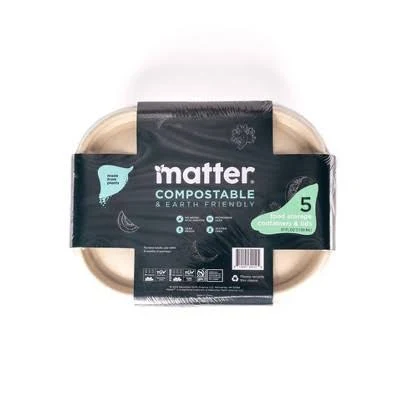
- Plant-based fiber pulp (compostable)
- A third party reports verifying it as PFAS-free
- Microbe/mold growth if stored damp
2 hazards checked on this product, all on its full breakdown.
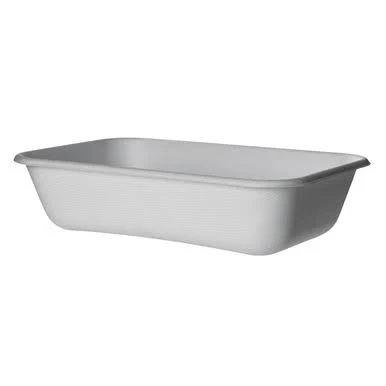
Eco-Products
Eco Products WorldView Compostable Take-Out Containers EP-SCRC32
- Plant-based fiber (compostable sugarcane bagasse)
- A third party reports verifying it as PFAS-free
- Bleaching agents and processing residues
3 hazards checked on this product, all on its full breakdown.
Eco-Products
WorldView Sugarcane Take-Out Containers
- Sugarcane bagasse (post-consumer fiber)
- A third party reports verifying it as PFAS-free
- Cellulose fiber degradation and food contact
2 hazards checked on this product, all on its full breakdown.
More food packaging grades
How we score, every product runs through the same public 0-100 rubric based on materials, coatings, brand disclosure, lab findings, and recalls. See the full methodology → Spotted a mistake? Report an error.