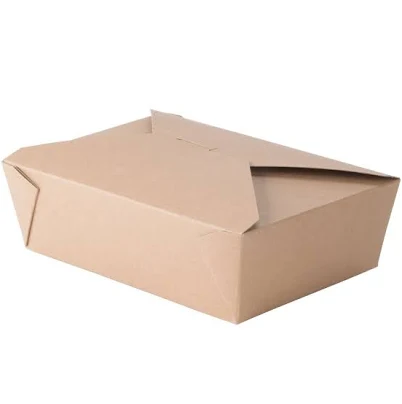
Fold-Pak Bio-Plus- Earth Take-Out Containers
Avoid until coating chemistry is transparent; grease-resistant fiber commonly uses PFAS.
Molded fiber marketed as eco-friendly typically requires water and grease barriers, often using fluorinated surfactants or PFAS compounds. This brand provides no coating disclosure or testing, leaving risk uncertain.
The better-graded swap
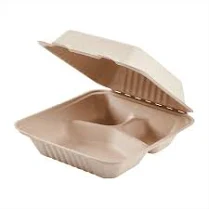
Karat
Karat Earth Pfas Free Compostable Bagasse Hinged Containers
95/100 safety
Same rubric that flunked this product. The swap earned Excellent.
Still want this one anyway? Check the price on Amazon. We’d swap it.
Material
Molded fiber (likely wood pulp) with unknown grease-resistant coating
Brand disclosure
Brand is silent on PFAS
Lab data
No public lab test
You may also be interested in
Top-graded picks in the categories readers replace first, every one scored on the same rubric.

- polypropylene filter housing, carbon/sediment cartridge
- We found no PFAS statement from the brand
- Bacterial growth in spent cartridges
3 hazards checked on this product, all on its full breakdown.

Aquasure
Premier Series 75 GPD Under Sink Reverse Osmosis Water Filtration System
- RO membrane, carbon filters, stainless steel housing
- We found no PFAS statement from the brand
- Bacterial and microbial growth in housing and filters
4 hazards checked on this product, all on its full breakdown.

Avocado
Vegan Mattress
- organic cotton, natural latex, coconut coir, recycled steel coils
- The brand calls it PFAS-free, which we have not verified
- Heavy metals
2 hazards checked on this product, all on its full breakdown.
What Fold-Pak Bio-Plus- Earth Containers is made of, ingredients and materials
Fold-Pak Bio-Plus containers are molded from wood pulp fiber, a renewable alternative to plastic or foam. The pulp substrate itself poses minimal chemical hazard. However, these containers include a grease-resistant coating whose chemistry Biotrem has not publicly disclosed. Molded fiber coating technologies commonly rely on fluorinated compounds (PFAS) or wax-based systems; without transparency, the specific formulation cannot be assessed.
What’s concerning
Category baseline
The starting point for this type of product, before anything specific to this product is counted.
No PFAS disclosure
No public statement from the brand about PFAS in this product.
Waterproof / stain-resistant treatment
Water-repellent coating treatments have historically used PFAS.
PFAS
Molded fiber containers typically use Teflon-family coating or fluorochemical coatings for water and grease repellency. Biotrem's silence on coating chemistry and the product's intended use (takeout, greasy foods) make PFAS presence probable despite unconfirmed. This hazard is graded separately but remains the primary concern.
Source, ATSDR ↗Coating degradation and microparticle shedding
Repeated use, high temperatures, or acidic foods can compromise the integrity of polymer or wax coatings on molded fiber. Shed coating particles entering food are not well-studied in this product category, but degradation is a known failure mode for coated fiber containers.
What’s reassuring
Pulp residue and ink migration
Molded fiber is virgin or recycled wood pulp; no published recalls or hazard alerts for Bio-Plus specifically. Biotrem's use of recycled fiber is not disclosed, so ink residue or contamination from prior uses cannot be ruled out without material sourcing transparency.
Allergen or contamination from manufacturing
No documented allergenic additives, dyes, or antimicrobial treatments are publicly linked to Biotrem Bio-Plus containers. Standard molded fiber does not routinely include formaldehyde resins or heavy metals, but process water contamination or cross-contamination is a generic risk in food contact manufacturing.
How is this PFAS grade calculated?
The brand's record and disclosure
Biotrem markets Bio-Plus as an eco-alternative and emphasizes sustainability messaging, yet provides no publicly available safety data sheet, coating composition disclosure, or PFAS commitment. No third-party certifications (e.g., FDA verification of coating safety, NSF, or PFAS-free labeling) are documented for this product line. This silence on a material safety question is a red flag for molded fiber in the food service category, where grease resistance typically triggers PFAS use.
How it compares in its category
Molded fiber takeout containers occupy a middle ground between foam (known PFAS risk) and uncoated cardboard (no grease resistance). Competitors like Dart FormaGreen and some Biotrem alternatives do publish coating information or pursue PFAS-free certifications; Fold-Pak Bio-Plus's silent approach is notably weaker. Standard compostable plastics (PHA, PLA) pose different hazards but at least face more regulatory scrutiny on additives.
If you buy it
Reserve use for dry or room-temperature foods only; do not microwave or fill with hot liquids, as heat can accelerate coating leaching. Store containers in a cool, dry place away from direct sunlight to slow degradation. Inspect regularly for whitening, flaking, or odor changes signaling coating breakdown. Request a Safety Data Sheet from Biotrem before bulk purchase; a transparent response strengthens confidence in the product.
What is not known about PFAS in this product?
- Basis
- Model estimate, 42% confidence, not a lab result
- Lab test
- None on record for this exact product
- Brand statement
- Fold-Pak has made none
Formulations change between production runs, so check the current label. How we grade.
What are the PFAS-free alternatives to Fold-Pak Bio-Plus- Earth Take-Out Containers?
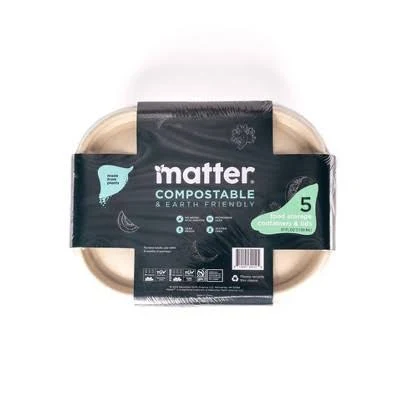
- Plant-based fiber pulp (compostable)
- A third party reports verifying it as PFAS-free
- Microbe/mold growth if stored damp
2 hazards checked on this product, all on its full breakdown.
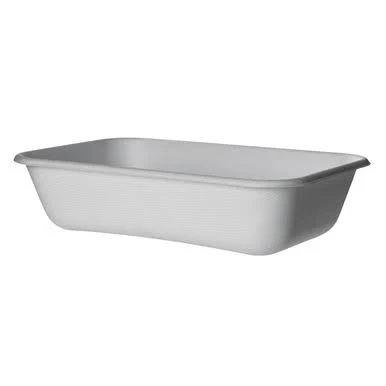
Eco-Products
Eco Products WorldView Compostable Take-Out Containers EP-SCRC32
- Plant-based fiber (compostable sugarcane bagasse)
- A third party reports verifying it as PFAS-free
- Bleaching agents and processing residues
3 hazards checked on this product, all on its full breakdown.
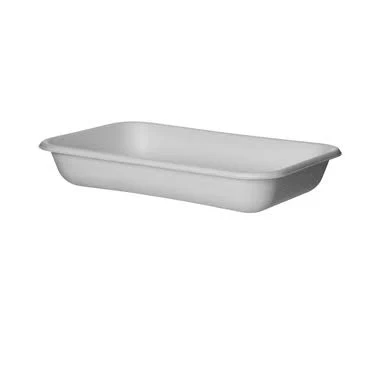
Eco-Products
WorldView Sugarcane Take-Out Containers
- Sugarcane bagasse (post-consumer fiber)
- A third party reports verifying it as PFAS-free
- Cellulose fiber degradation and food contact
2 hazards checked on this product, all on its full breakdown.
More food packaging grades
How we score, every product runs through the same public 0-100 rubric based on materials, coatings, brand disclosure, lab findings, and recalls. See the full methodology → Spotted a mistake? Report an error.