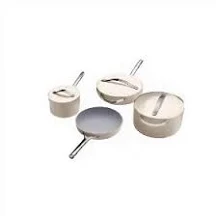
Caraway Nonstick Ceramic Cookware Set, Is It Non-Toxic?
Named ceramic non-stick coating, with a brand PFAS statement we have not verified.
Caraway says its ceramic non-stick coating is made without Teflon-type coating, PFOA and PFAS. We record that as an unverified brand claim.
Brand says: “Caraway says its ceramic non-stick coating is made without PTFE, PFOA and PFAS.”
We flunk more products than we pass. This one earned its grade. How we grade
Material
ceramic nonstick coating (proprietary, PFAS-free)
Brand disclosure
Brand claims PFAS-free
Lab data
No public lab test
You may also be interested in
Top-graded picks in the categories readers replace first, every one scored on the same rubric.

- polypropylene filter housing, carbon/sediment cartridge
- We found no PFAS statement from the brand
- Bacterial growth in spent cartridges
3 hazards checked on this product, all on its full breakdown.

Aquasure
Premier Series 75 GPD Under Sink Reverse Osmosis Water Filtration System
- RO membrane, carbon filters, stainless steel housing
- We found no PFAS statement from the brand
- Bacterial and microbial growth in housing and filters
4 hazards checked on this product, all on its full breakdown.

Avocado
Vegan Mattress
- organic cotton, natural latex, coconut coir, recycled steel coils
- The brand calls it PFAS-free, which we have not verified
- Heavy metals
2 hazards checked on this product, all on its full breakdown.
Is Caraway Nonstick Ceramic Cookware Set non-toxic? What it is made of
Caraway uses a proprietary ceramic nonstick coating applied to a hard-anodized aluminum core. The ceramic topcoat replaces traditional Teflon-type coating (Teflon) chemistries, eliminating the fume-release risk that occurs when Teflon-type coating cookware overheats above 500F. Aluminum beneath is hard-anodized, a sealed electrochemical process that prevents bare aluminum from leaching into food in normal use. The brand explicitly commits to PFAS-free formulation, though the proprietary composition is not fully disclosed.
What’s concerning
Disclosed non-fluorinated coating
Coating is named and the brand states it is made without PFAS.
Category baseline
The starting point for this type of product, before anything specific to this product is counted.
Aluminum leaching (from core if coating fails)
Hard-anodized aluminum has lower concern under intact ceramic coating, but once the nonstick layer chips or peels, bare aluminum can contact acidic or salty foods. This is a wear-related risk, not a manufacturing defect, and depends entirely on user care and product lifespan.
Ceramic coating degradation and loss of nonstick performance
Ceramic coatings are known to wear faster than Teflon-type coating across the cookware industry. Customer reviews and cookware forums document coating loss after 1-3 years of regular use, though this is normal wear, not a safety flaw. Once degraded, the pan is no longer nonstick but remains usable if the coating does not flake into food.
Microchipping or flaking of ceramic into food
If the ceramic coating is damaged (impact, utensil gouging, or advanced wear), fragments can potentially enter food. No specific recalls of Caraway cookware for this hazard are on record, but it is a known risk with ceramic cookware if care guidelines are not followed or if defects occur.
What’s reassuring
Brand-stated PFAS-free
The brand states this product is PFAS-free. We have not verified the claim.
Teflon-type coating fume inhalation (thermal decomposition)
Caraway's ceramic coating does not contain Teflon-type coating, eliminating the polymer fume fever risk. This is a key safety advantage over traditional nonstick cookware, assuming the ceramic formulation does not contain undisclosed fluorinated compounds.
Lead
No lead or cadmium contamination has been reported in Caraway ceramic cookware. Ceramic glazes can be a source of lead leaching in poorly regulated products, but Caraway's U.S.-marketed cookware is subject to FDA compliance and no documented violations are on record. The proprietary coating composition is not fully disclosed, however.
Source, ATSDR ↗How is this PFAS grade calculated?
The brand's record and disclosure
Caraway markets cookware as nontoxic and PFAS-free, with materials and sourcing information publicly available on their website. The brand does not appear in major product recall databases for ceramic cookware hazards (leaching, peeling, contamination) as of public records. Third-party certifications (NSF, Prop 65 warnings, etc.) are not prominently cited, meaning safety claims rest on brand assertions rather than independent verification. The company maintains a direct-to-consumer model with visible customer service engagement on safety topics.
How it compares in its category
Ceramic nonstick cookware sits between traditional Teflon-type coating-coated pans and uncoated stainless steel. Caraway's pricing and marketing position it as a premium alternative to budget ceramic brands (which may have higher coating defect rates) and to legacy Teflon-type coating brands like Tefal or GreenPan. Ceramic coatings in general wear faster than Teflon-type coating under heavy use, so replacement timelines are shorter; Caraway's warranty and replacement program reflect this. Hard-anodized aluminum construction is standard in this category and is durable and food-safe when the coating remains intact.
If you buy it
Use only silicone, wood, or plastic utensils to avoid scratching the ceramic surface; scratched coatings lose nonstick properties and may expose aluminum. Keep heat at medium or medium-high; ceramic cookware is less forgiving of empty-pan or very high-heat use. Hand-wash if possible; dishwashers can accelerate coating wear. Watch for visible peeling, chipping, or bare spots, and retire the pan once the coating is compromised. Caraway offers replacement cookware as part of their warranty; familiarize yourself with claim procedures before purchase.
What is not known about PFAS in this product?
- Basis
- Model estimate, 82% confidence, not a lab result
- Lab test
- None on record for this exact product
- Brand statement
- Caraway has made a specific claim
Formulations change between production runs, so check the current label. How we grade.
What are the PFAS-free alternatives to Caraway Nonstick Ceramic Cookware Set?
- Ceramic nonstick coating
- The brand calls it PFAS-free, which we have not verified
- Aluminum leaching
3 hazards checked on this product, all on its full breakdown.
- ceramic-coated aluminum cookware
- We found no PFAS statement from the brand
- Aluminum leaching
3 hazards checked on this product, all on its full breakdown.
More ceramic cookware grades
How we score, every product runs through the same public 0-100 rubric based on materials, coatings, brand disclosure, lab findings, and recalls. See the full methodology → Spotted a mistake? Report an error.