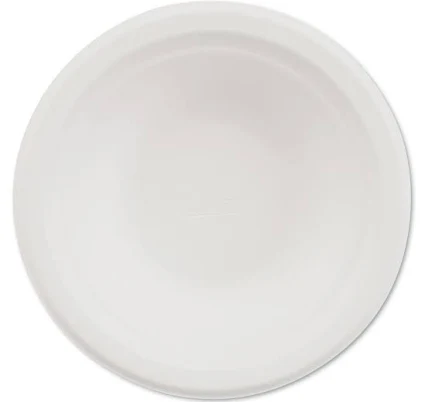
CHINET Classic Paper Bowl
Avoid or contact Chinet directly, paper bowls usually have PFAS coatings.
Standard food-contact paper bowl with grease-resistant coating. Paper bowls typically get fluorinated PFAS to repel oils and moisture.
The better-graded swap
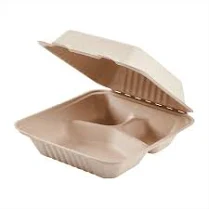
Karat
Karat Earth Pfas Free Compostable Bagasse Hinged Containers
95/100 safety
Same rubric that flunked this product. The swap earned Excellent.
Still want this one anyway? Check the price on Amazon. We’d swap it.
Material
bleached paper with grease-resistant coating
Brand disclosure
Brand is silent on PFAS
Lab data
No public lab test
You may also be interested in
Top-graded picks in the categories readers replace first, every one scored on the same rubric.

- polypropylene filter housing, carbon/sediment cartridge
- We found no PFAS statement from the brand
- Bacterial growth in spent cartridges
3 hazards checked on this product, all on its full breakdown.

Aquasure
Premier Series 75 GPD Under Sink Reverse Osmosis Water Filtration System
- RO membrane, carbon filters, stainless steel housing
- We found no PFAS statement from the brand
- Bacterial and microbial growth in housing and filters
4 hazards checked on this product, all on its full breakdown.

Avocado
Vegan Mattress
- organic cotton, natural latex, coconut coir, recycled steel coils
- The brand calls it PFAS-free, which we have not verified
- Heavy metals
2 hazards checked on this product, all on its full breakdown.
What CHINET Classic Paper Bowl is made of, ingredients and materials
Chinet Classic Paper Bowls are bleached paper pulp with a grease-resistant coating designed to prevent liquid and fat penetration. The coating is almost certainly a fluorochemical (PFAS-based) formulation, which is standard industry practice for disposable food-service paperware that must withstand grease and moisture. Bleached pulp itself carries residual chlorine byproducts, though levels in finished consumer products are typically low. The grease barrier is the core function but also the primary chemical hazard vector.
What’s concerning
Category baseline
The starting point for this type of product, before anything specific to this product is counted.
No PFAS disclosure
No public statement from the brand about PFAS in this product.
Waterproof / stain-resistant treatment
Water-repellent coating treatments have historically used PFAS.
PFAS
Published research and regulatory findings confirm PFAS coatings on paper food packaging leach into fatty foods and hot liquids. Chinet's specific migration rates are not publicly available, but the product class carries documented risk.
Source, ATSDR ↗Chlorine residues from bleaching
Bleached paper pulp may retain trace chlorine-based byproducts. Food-contact grade paper is regulated to keep levels very low, but complete absence is not guaranteed and not disclosed on packaging.
Microplastic or fiber shedding
Repeated handling, microwave exposure, or contact with acidic/hot foods can degrade paper fiber structure and cause small paper particles to enter food. Chinet bowls are single-use and not tested for long-term heating, so this is a minor risk under intended use.
Coatings degradation under heat
The grease-resistant coating breaks down under microwave or high-heat use, potentially releasing uncharacterized degradation byproducts and compromising the bowl's structural integrity. Product is not designed for heated use, but consumer misuse is common.
Lack of independent chemical disclosure
Manufacturer does not publish full coating ingredients or third-party testing results, preventing informed consumer assessment of non-PFAS chemical hazards. This transparency gap is industry-standard but limits consumer choice confidence.
How is this PFAS grade calculated?
The brand's record and disclosure
Chinet (owned by Huhtamaki) has not published public commitments to eliminate PFAS from foodware or disclosed coating chemistry on product packaging or websites reviewed in available records. The brand does not highlight food-safety certifications or independent testing results for chemical content. No major recalls or health controversies are documented for Chinet Classic bowls specifically. Silence on PFAS use is standard across most disposable paper-bowl manufacturers, reflecting industry-wide lack of transparency rather than a unique Chinet failure.
How it compares in its category
Nearly all disposable paper bowls and plates with grease resistance rely on PFAS coatings; Chinet is not an outlier, but also not a leader in adopting lower-concern alternatives. Uncoated or plant-oil-coated paper alternatives exist but are less effective at grease resistance and harder to source in retail channels. Among mainstream disposable brands, Chinet's opacity on PFAS places it in the middle, not as transparent as some newer eco-focused competitors, but no worse than Dixie or Solo. For single-use foodware in this price range, avoiding PFAS entirely is difficult.
If you buy it
Use Chinet Classic bowls for cold foods, deli items, and dry goods; do not use repeatedly or heat contents to high temperatures, as heat may accelerate PFAS migration into food. Do not microwave. Discard after single use as intended; do not reuse for storage or washing. If PFAS exposure is a health priority for your household, seek out explicitly labeled PFAS-free paper bowls (e.g., some compostable or plant-fiber alternatives) or switch to reusable ceramic or glass for everyday meals, reserving disposables for events or temporary situations.
What is not known about PFAS in this product?
- Basis
- Model estimate, 42% confidence, not a lab result
- Lab test
- None on record for this exact product
- Brand statement
- Chinet has made none
Formulations change between production runs, so check the current label. How we grade.
What are the PFAS-free alternatives to CHINET Classic Paper Bowl?
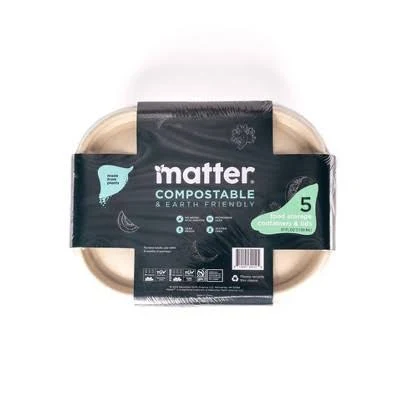
- Plant-based fiber pulp (compostable)
- A third party reports verifying it as PFAS-free
- Microbe/mold growth if stored damp
2 hazards checked on this product, all on its full breakdown.
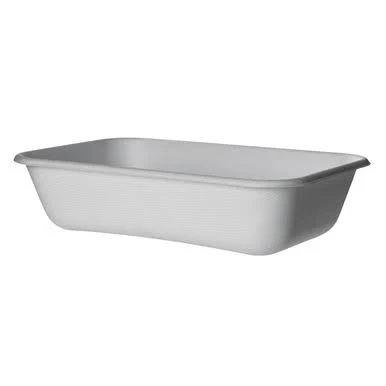
Eco-Products
Eco Products WorldView Compostable Take-Out Containers EP-SCRC32
- Plant-based fiber (compostable sugarcane bagasse)
- A third party reports verifying it as PFAS-free
- Bleaching agents and processing residues
3 hazards checked on this product, all on its full breakdown.
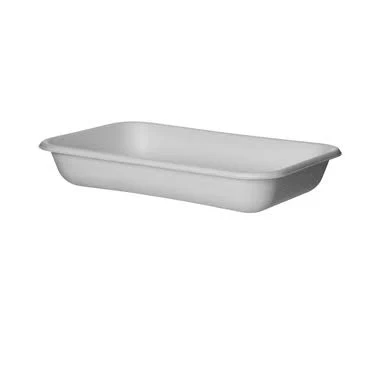
Eco-Products
WorldView Sugarcane Take-Out Containers
- Sugarcane bagasse (post-consumer fiber)
- A third party reports verifying it as PFAS-free
- Cellulose fiber degradation and food contact
2 hazards checked on this product, all on its full breakdown.
More food packaging grades
How we score, every product runs through the same public 0-100 rubric based on materials, coatings, brand disclosure, lab findings, and recalls. See the full methodology → Spotted a mistake? Report an error.