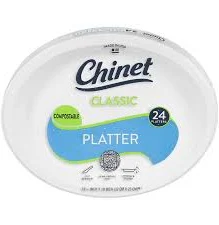
Chinet Classic Platters
Grease-resistant food packaging may contain PFAS; maker says nothing
Chinet Classic Platters are coated bleached paperboard designed to resist grease and moisture. Manufacturer discloses no information about PFAS content or water-resistant chemistry used.
The better-graded swap
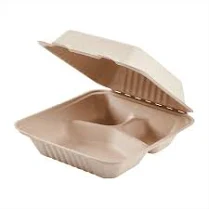
Karat
Karat Earth Pfas Free Compostable Bagasse Hinged Containers
95/100 safety
Same rubric that flunked this product. The swap earned Excellent.
Still want this one anyway? Check the price on Amazon. We’d swap it.
Material
bleached paperboard with grease-resistant coating
Brand disclosure
Brand is silent on PFAS
Lab data
No public lab test
You may also be interested in
Top-graded picks in the categories readers replace first, every one scored on the same rubric.

- polypropylene filter housing, carbon/sediment cartridge
- We found no PFAS statement from the brand
- Bacterial growth in spent cartridges
3 hazards checked on this product, all on its full breakdown.

Aquasure
Premier Series 75 GPD Under Sink Reverse Osmosis Water Filtration System
- RO membrane, carbon filters, stainless steel housing
- We found no PFAS statement from the brand
- Bacterial and microbial growth in housing and filters
4 hazards checked on this product, all on its full breakdown.

Avocado
Vegan Mattress
- organic cotton, natural latex, coconut coir, recycled steel coils
- The brand calls it PFAS-free, which we have not verified
- Heavy metals
2 hazards checked on this product, all on its full breakdown.
What Chinet Classic Platters is made of, ingredients and materials
Chinet Classic Platters are bleached paperboard (wood pulp) treated with a grease-resistant coating to prevent oil and moisture penetration. The coating chemistry is proprietary and undisclosed by parent company Huhtamaki. Grease barriers on food service ware commonly rely on fluorinated compounds (PFAS) or non-fluorinated alternatives; Chinet has not publicly confirmed which is used here. Once food contacts the coated surface, any leaching would occur directly into consumables.
What’s concerning
Waterproof / stain-resistant treatment
Water-repellent coating treatments have historically used PFAS.
Category baseline
The starting point for this type of product, before anything specific to this product is counted.
No PFAS disclosure
No public statement from the brand about PFAS in this product.
PFAS
Bleached paperboard food platters with grease barriers commonly use perfluorinated compounds; Chinet does not disclose coating identity, making confirmation impossible from public data. PFAS can migrate into fatty foods and accumulate in the body.
Source, ATSDR ↗Bleaching agents and chlorine residue
Paperboard pulp is bleached, typically with chlorine or oxygen compounds. Residual chlorine or chlorine derivatives may remain in trace amounts but are generally regarded as presenting no hazard of this kind on record at food contact levels by FDA standards.
Coating degradation under heat or fat
Polymeric grease barriers can break down when exposed to temperatures above 160F or prolonged contact with oils. Microscopic flakes or dissolved coating fragments may enter food, but no incidents are documented for this product.
Microplastics
Synthetic coating layers can shed particles if abraded or degraded. Risk is low with single-use service but increases if platters are washed and reused multiple times.
Source, EPA ↗What’s reassuring
Allergens or additives in coating (undisclosed)
Without full ingredient disclosure, cross-reactivity or sensitivity risks cannot be assessed. No reported adverse reactions tied to Chinet Classic Platters are on record.
How is this PFAS grade calculated?
The brand's record and disclosure
Huhtamaki (Chinet owner) has not published ingredient disclosures or safety certifications for this product line. No voluntary PFAS-free claims or third-party testing records are available in public sources. The company has faced no major recalls tied to chemical leaching from this specific product. Silence on coating chemistry is standard in the single-use foodware industry but leaves safety questions unresolved.
How it compares in its category
Most disposable paperboard platters use similar grease-resistant coatings; competitor options (Dixie, AmazonBasics) also do not disclose coating formulations. Some manufacturers now market PFAS-free alternatives using plant-based or non-fluorinated polymers, though cost is higher. Chinet Classic remains in the mainstream middle tier without transparency claims that would differentiate it as having lower concern.
If you buy it
Avoid prolonged contact between hot or fatty foods and the coated surface; transfer to ceramic or glass when possible for meals over 160F. Do not microwave these platters, as heat can accelerate any coating degradation and leaching. Use for room-temperature or briefly heated dry foods (bakery items, sandwiches) rather than hot greasy meals. Replace platters if coating shows visible wear, discoloration, or softening.
What is not known about PFAS in this product?
- Basis
- Model estimate, 45% confidence, not a lab result
- Lab test
- None on record for this exact product
- Brand statement
- Chinet has made none
Formulations change between production runs, so check the current label. How we grade.
What are the PFAS-free alternatives to Chinet Classic Platters?
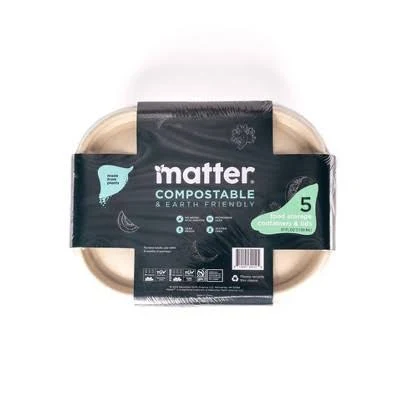
- Plant-based fiber pulp (compostable)
- A third party reports verifying it as PFAS-free
- Microbe/mold growth if stored damp
2 hazards checked on this product, all on its full breakdown.
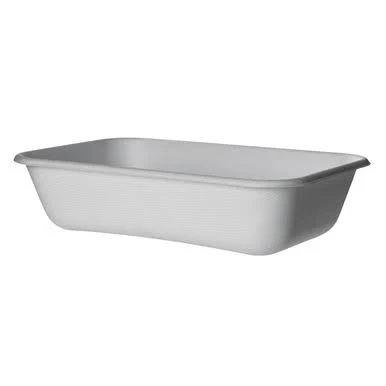
Eco-Products
Eco Products WorldView Compostable Take-Out Containers EP-SCRC32
- Plant-based fiber (compostable sugarcane bagasse)
- A third party reports verifying it as PFAS-free
- Bleaching agents and processing residues
3 hazards checked on this product, all on its full breakdown.
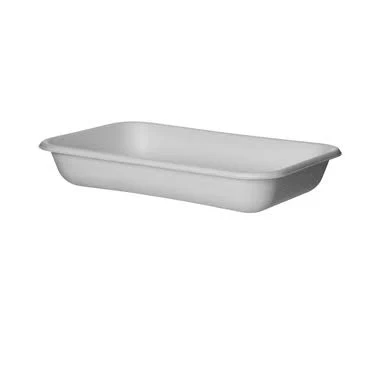
Eco-Products
WorldView Sugarcane Take-Out Containers
- Sugarcane bagasse (post-consumer fiber)
- A third party reports verifying it as PFAS-free
- Cellulose fiber degradation and food contact
2 hazards checked on this product, all on its full breakdown.
More food packaging grades
How we score, every product runs through the same public 0-100 rubric based on materials, coatings, brand disclosure, lab findings, and recalls. See the full methodology → Spotted a mistake? Report an error.