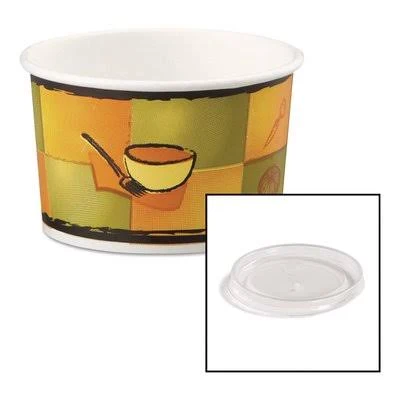
Chinet Streetside Paper Food Container with Plastic Lid
Avoid, grease-resistant food packaging routinely contains PFAS.
Paperboard with a plastic lid and mystery grease-resistant treatment. Chinet refuses to explain the coating chemistry.
The better-graded swap
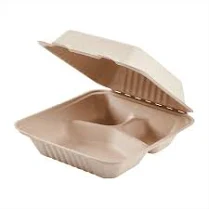
Karat
Karat Earth Pfas Free Compostable Bagasse Hinged Containers
95/100 safety
Same rubric that flunked this product. The swap earned Excellent.
Still want this one anyway? Check the price on Amazon. We’d swap it.
Material
Bleached paperboard with plastic lid; grease-resistant coating unspecified
Brand disclosure
Brand is silent on PFAS
Lab data
No public lab test
You may also be interested in
Top-graded picks in the categories readers replace first, every one scored on the same rubric.

- polypropylene filter housing, carbon/sediment cartridge
- We found no PFAS statement from the brand
- Bacterial growth in spent cartridges
3 hazards checked on this product, all on its full breakdown.

Aquasure
Premier Series 75 GPD Under Sink Reverse Osmosis Water Filtration System
- RO membrane, carbon filters, stainless steel housing
- We found no PFAS statement from the brand
- Bacterial and microbial growth in housing and filters
4 hazards checked on this product, all on its full breakdown.

Avocado
Vegan Mattress
- organic cotton, natural latex, coconut coir, recycled steel coils
- The brand calls it PFAS-free, which we have not verified
- Heavy metals
2 hazards checked on this product, all on its full breakdown.
What Chinet Streetside Paper Food Plastic Lid is made of, ingredients and materials
Chinet Streetside containers use bleached paperboard (wood pulp treated with chlorine-based bleaching agents) paired with an unspecified grease-resistant coating on the food-contact surface. The plastic lid is typically polypropylene (PP), a relatively stable plastic under normal conditions. The critical issue is the grease barrier, these coatings routinely rely on fluorinated compounds (PFAS) to repel oil and moisture, which migrate into food especially when heated or with fatty foods. Bleached paperboard itself can leach trace chlorine residues, though at levels typically below regulatory concern thresholds.
What’s concerning
Category baseline
The starting point for this type of product, before anything specific to this product is counted.
No PFAS disclosure
No public statement from the brand about PFAS in this product.
Waterproof / stain-resistant treatment
Water-repellent coating treatments have historically used PFAS.
PFAS
Fluorinated coatings are standard in this product class and Chinet has provided no disclosure to the contrary. PFAS migrates into fatty foods and accumulates in the body over time; exposure limits remain uncertain.
Source, ATSDR ↗Bleached paperboard chlorine residues
Chlorine-based pulp bleaching can leave trace dioxins and chlorinated organic compounds. Regulatory limits exist, but long-term cumulative exposure from frequent single-use containers is not well-studied.
Polypropylene (PP) lid leaching under heat
PP is generally stable at room temperature but can leach oligomers and residual monomers when heated above 70°C or if exposed to fatty foods or alcohol. The thin plastic lid poses modest risk if contents are hot at time of use.
Coating degradation and microparticle shedding
Repeated use, washing, or storage in acidic conditions can cause the grease-resistant coating to peel or crack, potentially releasing plastic or fluorinated particles into food. No manufacturer guidance on expected product lifespan or visible wear limits is typically provided.
Lack of transparency on additives
Food-contact coatings may contain plasticizers, colorants, or processing aids not disclosed on packaging. Chinet provides no certificate of analysis or full ingredient list; consumer cannot verify compliance with food-safety regulations independently.
How is this PFAS grade calculated?
The brand's record and disclosure
Chinet (owned by Huhtamaki, a Finnish packaging company) has not published detailed ingredient disclosures or safety certifications specific to this product line. The brand has not publicly committed to PFAS phase-out in foodware, nor does it provide transparency on coating formulations. No major recalls targeting chemical hazards in Chinet food containers have been documented in public records, but absence of disclosure is not absence of risk. The silent stance on fluorinated coatings is notable in an industry where competitors increasingly market PFAS-free alternatives.
How it compares in its category
Single-use paperboard food containers dominate quick-service restaurants and takeout, and most major brands (Chinet, Dart, Huhtamaki house brands) still use PFAS-based grease coatings by default. Some retailers and manufacturers now offer certified PFAS-free alternatives (compostable molded fiber, silicone-coated cardboard), though at higher cost and reduced availability. Chinet Streetside occupies the budget-friendly, widely available segment where PFAS use remains standard and unquestioned. Reusable or glass containers eliminate this hazard class entirely.
If you buy it
Avoid heating food in these containers; use for cold or room-temperature items only, as heat accelerates PFAS and other coating migration. Do not store fatty, acidic, or oily foods (meats, dressings, cheese) for extended periods; use within 1-2 hours if possible. Replace immediately if the coating shows visible wear, peeling, or discoloration. For frequent takeout use, consider bringing reusable containers or requesting glass/ceramic alternatives when dining out.
What is not known about PFAS in this product?
- Basis
- Model estimate, 45% confidence, not a lab result
- Lab test
- None on record for this exact product
- Brand statement
- Chinet has made none
Formulations change between production runs, so check the current label. How we grade.
What are the PFAS-free alternatives to Chinet Streetside Paper Food Container with Plastic Lid?
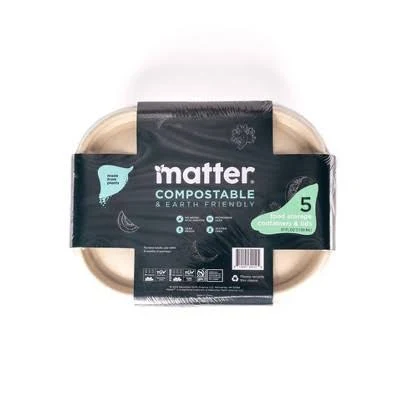
- Plant-based fiber pulp (compostable)
- A third party reports verifying it as PFAS-free
- Microbe/mold growth if stored damp
2 hazards checked on this product, all on its full breakdown.
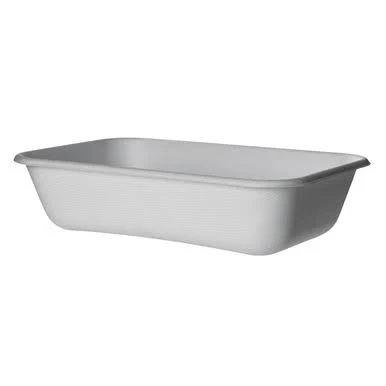
Eco-Products
Eco Products WorldView Compostable Take-Out Containers EP-SCRC32
- Plant-based fiber (compostable sugarcane bagasse)
- A third party reports verifying it as PFAS-free
- Bleaching agents and processing residues
3 hazards checked on this product, all on its full breakdown.
Eco-Products
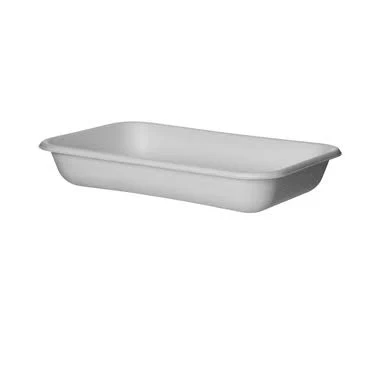
WorldView Sugarcane Take-Out Containers
- Sugarcane bagasse (post-consumer fiber)
- A third party reports verifying it as PFAS-free
- Cellulose fiber degradation and food contact
2 hazards checked on this product, all on its full breakdown.
More food packaging grades
How we score, every product runs through the same public 0-100 rubric based on materials, coatings, brand disclosure, lab findings, and recalls. See the full methodology → Spotted a mistake? Report an error.