
Chinet Streetside Squat Paper Food Container with Lid
Avoid until Chinet discloses the coating formula.
Chinet won't say what chemicals make this container grease-resistant. Historically, such coatings rely on PFAS compounds.
The better-graded swap
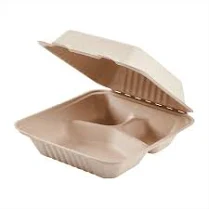
Karat
Karat Earth Pfas Free Compostable Bagasse Hinged Containers
95/100 safety
Same rubric that flunked this product. The swap earned Excellent.
Still want this one anyway? Check the price on Amazon. We’d swap it.
Material
Bleached paperboard with moisture/grease-resistant coating (composition undisclosed)
Brand disclosure
Brand is silent on PFAS
Lab data
No public lab test
You may also be interested in
Top-graded picks in the categories readers replace first, every one scored on the same rubric.

- polypropylene filter housing, carbon/sediment cartridge
- We found no PFAS statement from the brand
- Bacterial growth in spent cartridges
3 hazards checked on this product, all on its full breakdown.

Aquasure
Premier Series 75 GPD Under Sink Reverse Osmosis Water Filtration System
- RO membrane, carbon filters, stainless steel housing
- We found no PFAS statement from the brand
- Bacterial and microbial growth in housing and filters
4 hazards checked on this product, all on its full breakdown.

Avocado
Vegan Mattress
- organic cotton, natural latex, coconut coir, recycled steel coils
- The brand calls it PFAS-free, which we have not verified
- Heavy metals
2 hazards checked on this product, all on its full breakdown.
What Chinet Streetside Squat Paper Food Lid is made of, ingredients and materials
Chinet Streetside containers are bleached paperboard (wood pulp) with an undisclosed moisture and grease-resistant coating. Paperboard itself is inert, but the coating formulation is proprietary and almost certainly contains fluorinated compounds (PFAS or similar) to repel water and oils. Without disclosure, you cannot assess whether the coating is a legacy persistent PFAS, newer non-persistent alternatives, or an untested substitute. The coating is the contact layer between your food and the container, making transparency here essential.
What’s concerning
Category baseline
The starting point for this type of product, before anything specific to this product is counted.
No PFAS disclosure
No public statement from the brand about PFAS in this product.
Waterproof / stain-resistant treatment
Water-repellent coating treatments have historically used PFAS.
PFAS
Bleached paperboard requires a hydrophobic coating to prevent food wetness; industry standard is fluorinated compounds. Chinet's silence on formulation suggests either legacy long-chain PFAS or refusal to disclose newer alternatives. PFAS absorption through food contact is dose-dependent but persistent in human tissue.
Source, ATSDR ↗Bleached pulp and ink residues
Bleached paperboard may retain trace chlorine residues or chlorination byproducts (dioxins, dioxin-like compounds) depending on mill practices. Printing inks on the exterior typically show lower concern for migration if offset-printed, but migration risk rises if inks contact oily foods. Chinet does not publicly specify bleach type (elemental chlorine-free, oxygen, etc.).
Microplastics
If the fluorinated or synthetic coating degrades under heat or mechanical stress, particles may shed into food. This is especially a concern in hot-food scenarios (which are also contraindicated on this product) or if containers are reused improperly.
Source, EPA ↗What’s reassuring
Formaldehyde / VOCs
Paperboard containers may contain urea-formaldehyde or phenol-formaldehyde binders between plies, though formaldehyde release is minimal at room temperature and not documented as a public health issue for this product category. Risk is low unless container is heated.
Source, ATSDR ↗Heavy metals
Modern food-contact printing inks are regulated to exclude lead and cadmium in most jurisdictions. No specific testing results or violations are on record for Chinet products, but exterior inks should not contact food directly.
Source, FDA ↗How is this PFAS grade calculated?
The brand's record and disclosure
Chinet (owned by Huhtamaki) has not publicly disclosed the specific chemistry of its food-contact coatings despite industry-wide pressure since the mid-2010s. The brand has not pursued third-party certifications (such as compostability or PFAS-free claims) that would clarify the formula. No recalls specific to chemical leaching have been recorded for this product line, but silence on PFAS composition is a significant red flag given regulatory momentum in California, EU, and other jurisdictions toward PFAS restriction in food contact materials.
How it compares in its category
Disposable paperboard food containers dominate fast-casual and takeout markets; most competitors use similar fluorinated coatings but some (e.g., Footprint, World Centric) now offer PFAS-free or fully disclosed alternatives. Chinet's Streetside line is a mid-market product with no visible sustainability differentiation. Compared to uncoated cardboard (which absorbs grease) or rigid plastic (which has its own leaching risks), this sits in a gray zone, cheaper than certified alternatives but more opaque.
If you buy it
Use only for cold or room-temperature foods; do not microwave or heat. Do not store fatty, acidic, or hot foods for extended periods, as these conditions may increase coating degradation or leaching. Replace immediately if the interior surface shows visible wear, discoloration, or breakdown. Consider switching to PFAS-free certified alternatives (check labels for third-party claims) if this product will be used frequently by your household or for sensitive populations (young children, pregnant individuals).
What is not known about PFAS in this product?
- Basis
- Model estimate, 35% confidence, not a lab result
- Lab test
- None on record for this exact product
- Brand statement
- Chinet has made none
Formulations change between production runs, so check the current label. How we grade.
What are the PFAS-free alternatives to Chinet Streetside Squat Paper Food Container with Lid?
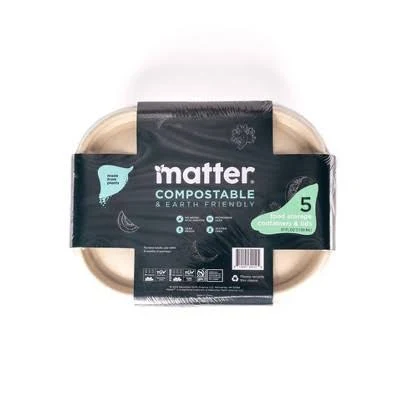
- Plant-based fiber pulp (compostable)
- A third party reports verifying it as PFAS-free
- Microbe/mold growth if stored damp
2 hazards checked on this product, all on its full breakdown.
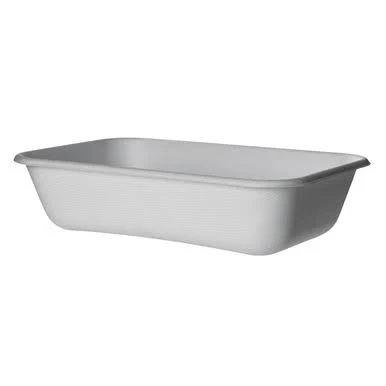
Eco-Products
Eco Products WorldView Compostable Take-Out Containers EP-SCRC32
- Plant-based fiber (compostable sugarcane bagasse)
- A third party reports verifying it as PFAS-free
- Bleaching agents and processing residues
3 hazards checked on this product, all on its full breakdown.
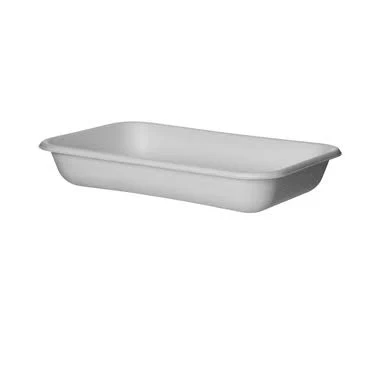
Eco-Products
WorldView Sugarcane Take-Out Containers
- Sugarcane bagasse (post-consumer fiber)
- A third party reports verifying it as PFAS-free
- Cellulose fiber degradation and food contact
2 hazards checked on this product, all on its full breakdown.
More food packaging grades
How we score, every product runs through the same public 0-100 rubric based on materials, coatings, brand disclosure, lab findings, and recalls. See the full methodology → Spotted a mistake? Report an error.