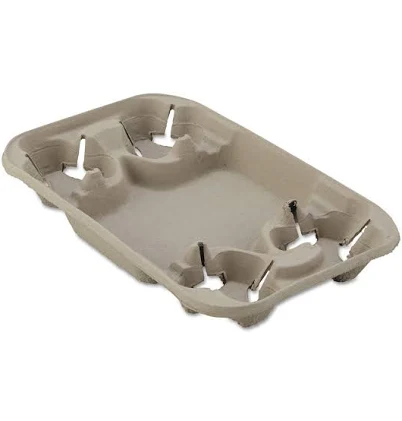
Chinet StrongHolder Molded Fiber Cup
Avoid, grease-resistant cups typically contain fluorinated treatments.
These molded fiber cups need grease protection for hot drinks, which usually means PFAS-based coatings. Chinet keeps its formula secret.
The better-graded swap
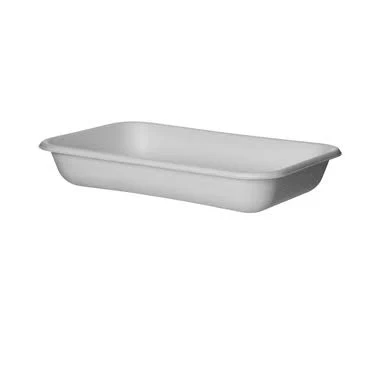
Eco-Products
Eco-Products WorldView Sugarcane Take-Out Containers
100/100 safety
Same rubric that flunked this product. The swap earned Excellent.
Still want this one anyway? Check the price on Amazon. We’d swap it.
Material
Molded fiber (virgin wood pulp) with grease-resistant coating (unspecified)
Brand disclosure
Brand is silent on PFAS
Lab data
No public lab test
You may also be interested in
Top-graded picks in the categories readers replace first, every one scored on the same rubric.

- polypropylene filter housing, carbon/sediment cartridge
- We found no PFAS statement from the brand
- Bacterial growth in spent cartridges
3 hazards checked on this product, all on its full breakdown.

Aquasure
Premier Series 75 GPD Under Sink Reverse Osmosis Water Filtration System
- RO membrane, carbon filters, stainless steel housing
- We found no PFAS statement from the brand
- Bacterial and microbial growth in housing and filters
4 hazards checked on this product, all on its full breakdown.

Avocado
Vegan Mattress
- organic cotton, natural latex, coconut coir, recycled steel coils
- The brand calls it PFAS-free, which we have not verified
- Heavy metals
2 hazards checked on this product, all on its full breakdown.
What Chinet StrongHolder Molded Fiber Cup is made of, ingredients and materials
Chinet StrongHolder cups are molded fiber, a pressed plant-based material made from virgin or recycled wood pulp. The cups carry an unspecified grease-resistant coating to prevent liquid penetration and structural breakdown. Molded fiber itself is chemically inert, but the coating's composition is the critical variable, grease-resistant treatments on food-contact molded fiber products commonly use PFAS "forever chemicals" (PFAS) to achieve water and oil repellency. Without transparent ingredient disclosure from Chinet, the coating formulation cannot be independently verified.
What’s concerning
Category baseline
The starting point for this type of product, before anything specific to this product is counted.
No PFAS disclosure
No public statement from the brand about PFAS in this product.
Waterproof / stain-resistant treatment
Water-repellent coating treatments have historically used PFAS.
PFAS
Molded fiber cups with unspecified grease coatings typically contain fluorinated treatments to achieve water and oil repellency. Chinet's silent stance on this ingredient class and the cup's poor PFAS safety rating (25/100) suggest fluorinated compounds are probable. PFAS can migrate into food or beverage during use, especially if the coating degrades.
Source, ATSDR ↗Coating degradation and migration
Molded fiber coatings are susceptible to wear, scratching, and breakdown from repeated use or exposure to hot liquids. As the coating degrades, particles or absorbed substances may leach into the contents. No data on Chinet StrongHolder coating durability under normal service conditions is publicly available.
What’s reassuring
Additives and processing chemicals in molded fiber
Virgin wood pulp molded fiber does not inherently contain lead, cadmium, or heavy metals. Ink or dyes used in printing on the cup exterior are not detailed in available product information; if present, they should meet FDA food-contact regulations, but independent verification is not available.
Microplastic or fiber shedding
Molded fiber cups do not shed microplastics (they are plant-based, not synthetic polymer). However, small fiber fragments may release if the cup is damaged or the interior coating flakes. This is a use-condition hazard, not an inherent material hazard.
Off-gassing or VOC release
Molded fiber does not off-gas formaldehyde or significant VOCs under normal conditions. The unspecified coating may contain volatile components if applied wet, but this occurs during manufacturing, not consumer use. No published off-gassing data for this product exists.
How is this PFAS grade calculated?
The brand's record and disclosure
Chinet (owned by Huhtamaki) has not issued public statements on PFAS avoidance or phase-out timelines for its food-service products as of available records. The company does not disclose coating chemistry on product packaging or websites for this line. No third-party certifications (such as PFAS-free or Clean label certifications) are listed for StrongHolder cups. This silence is notable in a category where competitors increasingly market PFAS-free alternatives.
How it compares in its category
Molded fiber cups dominate the compostable single-use market, but PFAS presence is widespread in the category due to grease-coating demands. Competitors such as World Centric and some Footprint cups market PFAS-free coatings (plant-based or mineral-based); others remain opaque. StrongHolder's lack of differentiation on chemical safety, combined with its poor PFAS score, positions it in the higher-concern tier for consumers seeking lower-fluorinated alternatives. Reusable ceramic or stainless-steel cups eliminate the coating question entirely.
If you buy it
Limit use to cool or ambient-temperature beverages; molded fiber coatings are not designed for prolonged heat exposure (above 70°C / 158°F), which can accelerate coating breakdown and potential migration. Do not microwave or fill with very hot liquids. Use for single occasions when reusable alternatives are unavailable. Composability does not address PFAS leaching during use or landfill persistence; check local composting facility protocols before disposal.
What is not known about PFAS in this product?
- Basis
- Model estimate, 45% confidence, not a lab result
- Lab test
- None on record for this exact product
- Brand statement
- Chinet has made none
Formulations change between production runs, so check the current label. How we grade.
What are the PFAS-free alternatives to Chinet StrongHolder Molded Fiber Cup?
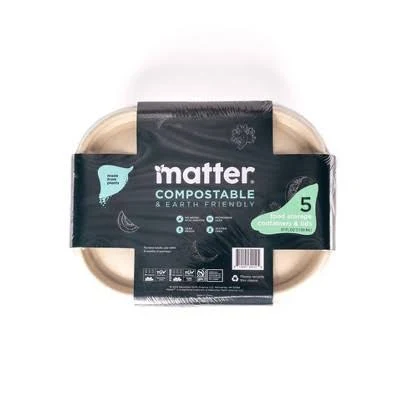
- Plant-based fiber pulp (compostable)
- A third party reports verifying it as PFAS-free
- Microbe/mold growth if stored damp
2 hazards checked on this product, all on its full breakdown.
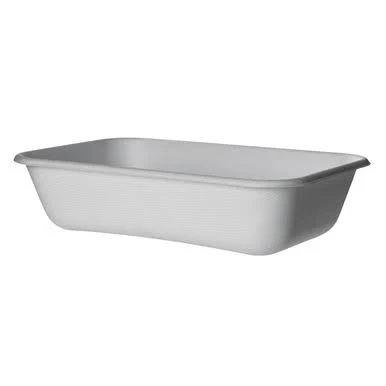
Eco-Products
Eco Products WorldView Compostable Take-Out Containers EP-SCRC32
- Plant-based fiber (compostable sugarcane bagasse)
- A third party reports verifying it as PFAS-free
- Bleaching agents and processing residues
3 hazards checked on this product, all on its full breakdown.
Eco-Products
WorldView Sugarcane Take-Out Containers
- Sugarcane bagasse (post-consumer fiber)
- A third party reports verifying it as PFAS-free
- Cellulose fiber degradation and food contact
2 hazards checked on this product, all on its full breakdown.
More food packaging grades
How we score, every product runs through the same public 0-100 rubric based on materials, coatings, brand disclosure, lab findings, and recalls. See the full methodology → Spotted a mistake? Report an error.