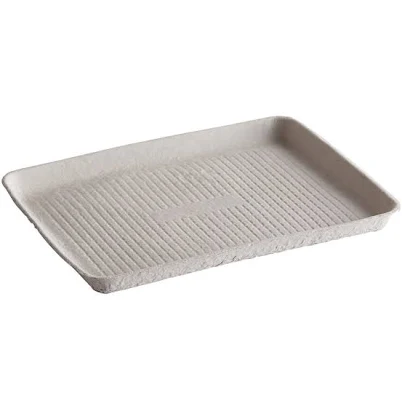
Chinet StrongHolder Molded Fiber Food Trays 9 x 12 x 1
Molded fiber food trays; coating composition undisclosed, skip if PFAS-sensitive.
Chinet's molded fiber trays lack PFAS disclosure. Water-resistant treatment composition is unspecified; PFAS-free status unclear without third-party testing.
The better-graded swap
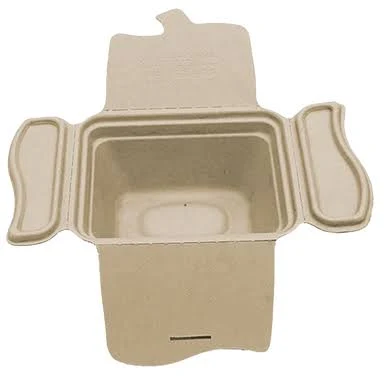
World Centric
World Centric Compostable Fiber Compost-A-Pak Containers
95/100 safety
Same rubric that flunked this product. The swap earned Excellent.
Still want this one anyway? Check the price on Amazon. We’d swap it.
Material
Molded fiber with water-resistant coating
Brand disclosure
Brand is silent on PFAS
Lab data
No public lab test
You may also be interested in
Top-graded picks in the categories readers replace first, every one scored on the same rubric.

- polypropylene filter housing, carbon/sediment cartridge
- We found no PFAS statement from the brand
- Bacterial growth in spent cartridges
3 hazards checked on this product, all on its full breakdown.

Aquasure
Premier Series 75 GPD Under Sink Reverse Osmosis Water Filtration System
- RO membrane, carbon filters, stainless steel housing
- We found no PFAS statement from the brand
- Bacterial and microbial growth in housing and filters
4 hazards checked on this product, all on its full breakdown.

Avocado
Vegan Mattress
- organic cotton, natural latex, coconut coir, recycled steel coils
- The brand calls it PFAS-free, which we have not verified
- Heavy metals
2 hazards checked on this product, all on its full breakdown.
What Chinet StrongHolder Fiber Food Trays is made of, ingredients and materials
Chinet StrongHolder trays are molded fiber, a composite of recycled paper and wood pulp pressed into shape. The 'water-resistant coating' mentioned on packaging is the critical unknown, manufacturers typically use either wax-based or fluorochemical-based treatments to repel moisture and grease. Chinet has not publicly disclosed which type is used in this line. Molded fiber itself is inert, but the coating's composition determines whether food contact poses leaching risks.
What’s concerning
Waterproof / stain-resistant treatment
Water-repellent coating treatments have historically used PFAS.
Category baseline
The starting point for this type of product, before anything specific to this product is counted.
No PFAS disclosure
No public statement from the brand about PFAS in this product.
Coating leachables (fluorochemical or wax-based)
The water-resistant treatment is undisclosed. Fluorochemical coatings would introduce PFAS; wax-based coatings present lower concern but still warrant caution if product is heated or exposed to acidic foods over extended storage. No independent testing on record for this specific product.
Microplastic migration from coating degradation
Repeated moisture exposure and wear can cause coating to flake or degrade. While molded fiber itself does not produce microplastics, coating fragments could theoretically contaminate food, particularly with greasy or acidic items. Risk is low under normal use but increases with product age or damage.
Bacterial or mold growth if moisture-trapped in coating
The water-resistant coating can trap moisture between layers if the tray is not fully dried after washing or storage. This is a hygiene rather than chemical hazard but worth noting for high-moisture foods or humid storage conditions.
What’s reassuring
Formaldehyde / VOCs
Molded fiber typically uses urea-formaldehyde or melamine-formaldehyde binders. Off-gassing is minimal at room temperature and well below regulated thresholds for food contact, though not independently verified for this product line.
Source, ATSDR ↗Heavy metals
Recycled paper and pulp may contain trace metals or legacy inks from prior use. Chinet does not disclose screening protocols. FDA migration limits should apply, but no specific testing data is publicly available for this product.
Source, FDA ↗How is this PFAS grade calculated?
The brand's record and disclosure
Huhtamaki (Chinet's parent company) has made limited public commitments on PFAS phase-out in foodware, and does not routinely disclose coating chemistry for molded fiber products. The company has not faced major recalls for this product line, but transparency around the water-resistant treatment remains absent from consumer-facing materials. No third-party certifications (e.g., FDA compliance statements or independent testing) are prominently marketed for these trays.
How it compares in its category
Molded fiber trays occupy a middle ground, lower concern than polystyrene foam (which can leach styrene) and lower-microplastic risk than plastic clamshells, but the coating composition is less transparent than some competitors' products. Many brands now explicitly certify their molded fiber as PFAS-free; Chinet's silence on this point is a relative weakness. Cost and durability are competitive, but the coating uncertainty makes them less ideal for chemically cautious consumers.
If you buy it
Use these trays for cold or room-temperature foods only; do not microwave or expose to hot liquids, which could increase coating leaching. Replace immediately if visible wear, cracks, or delamination appears. For frequent use, consider alternating with uncoated ceramic or glass alternatives. Compostability is a plus, but only if your facility accepts molded fiber; home composting does not reliably break down the coating.
What is not known about PFAS in this product?
- Basis
- Model estimate, 45% confidence, not a lab result
- Lab test
- None on record for this exact product
- Brand statement
- Chinet has made none
Formulations change between production runs, so check the current label. How we grade.
What are the PFAS-free alternatives to Chinet StrongHolder Molded Fiber Food Trays 9 x 12 x 1?
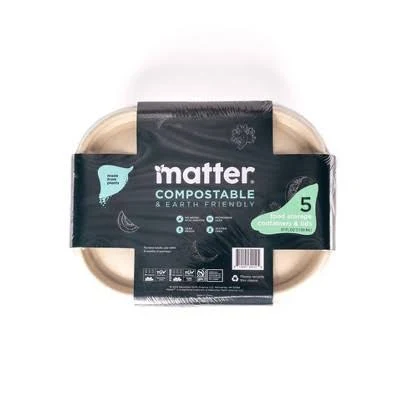
- Plant-based fiber pulp (compostable)
- A third party reports verifying it as PFAS-free
- Microbe/mold growth if stored damp
2 hazards checked on this product, all on its full breakdown.
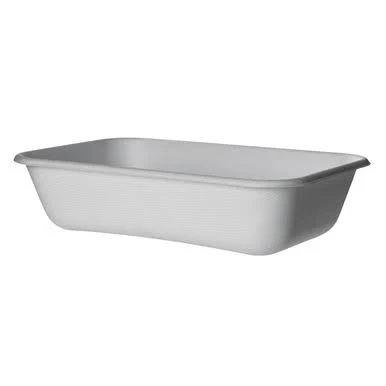
Eco-Products
Eco Products WorldView Compostable Take-Out Containers EP-SCRC32
- Plant-based fiber (compostable sugarcane bagasse)
- A third party reports verifying it as PFAS-free
- Bleaching agents and processing residues
3 hazards checked on this product, all on its full breakdown.
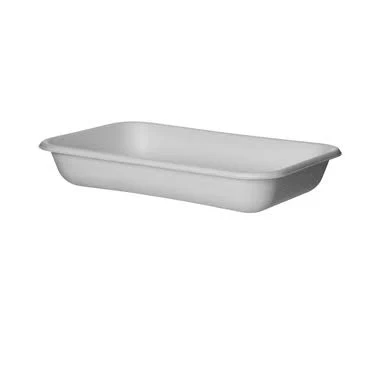
Eco-Products
WorldView Sugarcane Take-Out Containers
- Sugarcane bagasse (post-consumer fiber)
- A third party reports verifying it as PFAS-free
- Cellulose fiber degradation and food contact
2 hazards checked on this product, all on its full breakdown.
More food packaging grades
How we score, every product runs through the same public 0-100 rubric based on materials, coatings, brand disclosure, lab findings, and recalls. See the full methodology → Spotted a mistake? Report an error.