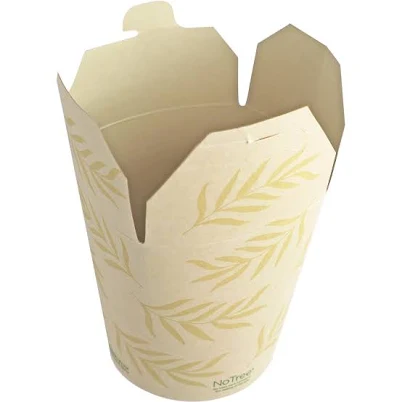
Compostable World Centric Chinese Takeout Box
Avoid until the brand reveals its coating ingredients.
World Centric's molded fiber takeout box needs water and grease protection but the brand hides what coating it uses. Molded fiber typically requires fluorochemical treatments.
The better-graded swap
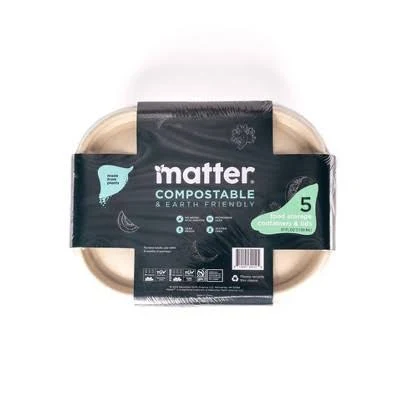
Matter
Matter Compostable Food Storage Container 5ct
100/100 safety
Same rubric that flunked this product. The swap earned Excellent.
Still want this one anyway? Check the price on Amazon. We’d swap it.
Material
Molded fiber with unspecified water-resistant coating
Brand disclosure
Brand is silent on PFAS
Lab data
No public lab test
You may also be interested in
Top-graded picks in the categories readers replace first, every one scored on the same rubric.

- polypropylene filter housing, carbon/sediment cartridge
- We found no PFAS statement from the brand
- Bacterial growth in spent cartridges
3 hazards checked on this product, all on its full breakdown.

Aquasure
Premier Series 75 GPD Under Sink Reverse Osmosis Water Filtration System
- RO membrane, carbon filters, stainless steel housing
- We found no PFAS statement from the brand
- Bacterial and microbial growth in housing and filters
4 hazards checked on this product, all on its full breakdown.

Avocado
Vegan Mattress
- organic cotton, natural latex, coconut coir, recycled steel coils
- The brand calls it PFAS-free, which we have not verified
- Heavy metals
2 hazards checked on this product, all on its full breakdown.
What Compostable World Centric Takeout Box is made of, ingredients and materials
World Centric Chinese takeout boxes are molded fiber (recycled paper pulp) with an applied water-resistant coating to prevent grease and moisture penetration. The coating chemistry is the critical unknown, molded fiber manufacturers commonly use fluorochemicals (PFAS), wax, or plant-based barriers, but the brand has not publicly specified which. Molded fiber itself is inert when uncoated, but the barrier layer directly contacts food and can leach if degraded or heated.
What’s concerning
Category baseline
The starting point for this type of product, before anything specific to this product is counted.
No PFAS disclosure
No public statement from the brand about PFAS in this product.
Waterproof / stain-resistant treatment
Water-repellent coating treatments have historically used PFAS.
Fluorochemical leaching from water-resistant coating
The brand has not disclosed coating ingredients; if PFAS-based (common in food packaging), migration into oily or acidic foods and hot contents is plausible. Risk escalates with product age, heat exposure, or physical damage to the box.
Unidentified wax or synthetic polymers in barrier layer
If coating contains mineral oil-derived waxes or plasticizers, low-level migration to food is thermodynamically possible, though toxicological significance at typical exposure levels is uncertain. The brand's silence prevents assessment.
Microplastic or fiber shedding from coating breakdown
Molded fiber boxes with thin or poorly adhered coatings can release fibers into food over time or with agitation. This is a physical rather than chemical hazard but relevant for food safety.
Unverified compostability claims affecting reuse/disposal safety
Many molded fiber boxes marketed as 'compostable' do not fully degrade in standard municipal composting due to water-resistant coatings. Consumers may incorrectly assume disposal safety, but the product may persist and potentially shed coating residues into compost.
What’s reassuring
Formaldehyde / VOCs
The brand sources molded fiber from post-consumer paper; formaldehyde-based binders are uncommon in modern molded fiber production but historically present in some recycled papers. No specific recall or test result links boxes to formaldehyde.
Source, ATSDR ↗How is this PFAS grade calculated?
The brand's record and disclosure
The brand produces billions of disposable food-service products annually and markets compostable lines to appeal to sustainability-conscious buyers. The company has not transparently disclosed the water-resistant coating formulation for this product despite public PFAS concerns in food packaging since 2020. No third-party certifications (e.g., OK Compost Industrial) are listed for this specific SKU, leaving the actual compostability and chemical safety unverified by independent bodies.
How it compares in its category
Molded fiber takeout boxes are standard in food service and have lower concern than plastic for room-temperature use, but compostability claims are often overstated. Competing 'compostable' brands (e.g., some EarthWise or Footprint lines) have begun disclosing PFAS-free coatings or using wax/clay barriers; The brand's silence stands out. For hot or oily foods, uncoated paper or certified PFAS-free alternatives reduce chemical migration risk more reliably.
If you buy it
Use only for room-temperature or mildly warm (not steaming or oven-heated) foods; grease and high heat accelerate coating degradation and potential leaching. Do not microwave, and do not store acidic foods (vinegar, soy sauce, citrus dressings) for extended periods, as acid can degrade barrier coatings. Replace the box immediately if interior shows visible damage, discoloration, or separation. For hot foods (takeout within 1-2 hours), request uncoated cardboard alternatives if available.
What is not known about PFAS in this product?
- Basis
- Model estimate, 35% confidence, not a lab result
- Lab test
- None on record for this exact product
- Brand statement
- has made none
Formulations change between production runs, so check the current label. How we grade.
What are the PFAS-free alternatives to Compostable World Centric Chinese Takeout Box?
- Plant-based fiber pulp (compostable)
- A third party reports verifying it as PFAS-free
- Microbe/mold growth if stored damp
2 hazards checked on this product, all on its full breakdown.
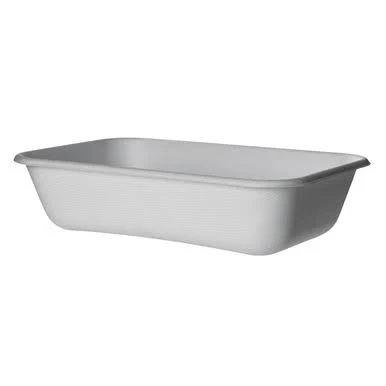
Eco-Products
Eco Products WorldView Compostable Take-Out Containers EP-SCRC32
- Plant-based fiber (compostable sugarcane bagasse)
- A third party reports verifying it as PFAS-free
- Bleaching agents and processing residues
3 hazards checked on this product, all on its full breakdown.
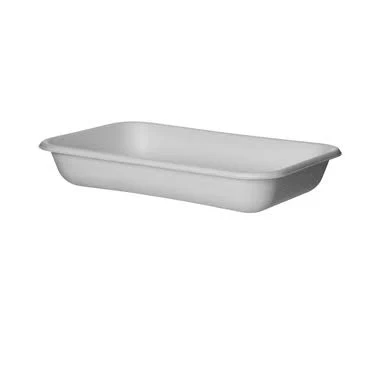
Eco-Products
WorldView Sugarcane Take-Out Containers
- Sugarcane bagasse (post-consumer fiber)
- A third party reports verifying it as PFAS-free
- Cellulose fiber degradation and food contact
2 hazards checked on this product, all on its full breakdown.
More food packaging grades
How we score, every product runs through the same public 0-100 rubric based on materials, coatings, brand disclosure, lab findings, and recalls. See the full methodology → Spotted a mistake? Report an error.