The North Face · Sleeping Bags
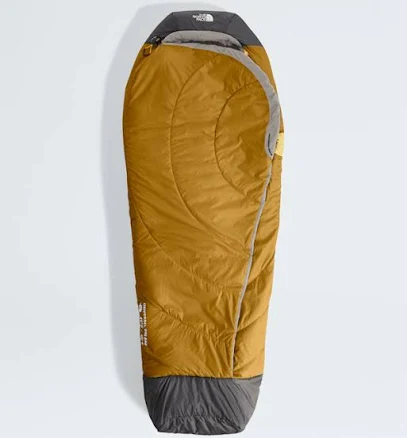
The North Face Universal One Bag
Avoid until The North Face confirms the water-repellent coating formula.
The North Face hasn't revealed what water-repellent treatment protects this bag, making PFAS exposure likely. Without independent testing or third-party certification, you can't verify the chemical safety.
Still want this one anyway? Check the price on Amazon. We’d swap it.
Material
Nylon/polyester with water-repellent coating water-repellent coating (type unspecified)
Lab data
No public lab test
You may also be interested in
Top-graded picks in the categories readers replace first, every one scored on the same rubric.

- polypropylene filter housing, carbon/sediment cartridge
- We found no PFAS statement from the brand
- Bacterial growth in spent cartridges
3 hazards checked on this product, all on its full breakdown.

Aquasure
Premier Series 75 GPD Under Sink Reverse Osmosis Water Filtration System
- RO membrane, carbon filters, stainless steel housing
- We found no PFAS statement from the brand
- Bacterial and microbial growth in housing and filters
4 hazards checked on this product, all on its full breakdown.

Avocado
Vegan Mattress
- organic cotton, natural latex, coconut coir, recycled steel coils
- The brand calls it PFAS-free, which we have not verified
- Heavy metals
2 hazards checked on this product, all on its full breakdown.
What The North Face Universal One Bag is made of, ingredients and materials
The Universal One Bag uses nylon and polyester shell fabrics with a water-repellent coating (water-repellent coating) coating applied to the outer surface. water-repellent coating coatings are typically either PFAS-based (fluorochemical, highly persistent in the environment and potentially in the body) or newer alternatives without a known PFAS link (polyurethane or silicone-based). The North Face has not publicly specified which chemistry this bag uses, which is the core transparency problem. The nylon/polyester themselves are not inherently hazardous under normal use; the risk profile depends entirely on the water-repellent coating formulation.
What’s concerning
Category baseline
The starting point for this type of product, before anything specific to this product is counted.
No PFAS disclosure
No public statement from the brand about PFAS in this product.
Waterproof / stain-resistant treatment
Water-repellent coating treatments have historically used PFAS.
PFAS
The bag's water-repellent coating is unspecified; traditional fluorochemical water-repellent coating coatings contain long-chain PFAS (PFOA, PFOS, or precursors), which are persistent and bioaccumulative. No test results for this specific bag are available, so the risk is unquantified but present for a category-standard product with silent brand disclosure.
Source, ATSDR ↗Polyester fiber shedding (microfiber release)
Polyester fabrics can release microfibers during wear, handling, and washing. The Universal One Bag's exterior polyester blended construction means repeated compression, movement, and friction during use may shed small fibers, though sleeping bags are not washed frequently and microfiber exposure is generally lower than for apparel worn against skin.
What’s reassuring
Nylon degradation and leaching
No reports of hazardous leaching from nylon in this bag. Nylon itself is chemically stable under normal sleeping bag use; risk would be restricted to exposure to extreme heat (>80C continuous), which is not typical.
Formaldehyde / VOCs
Modern nylon and polyester outdoor bags are rarely treated with formaldehyde-releasing resins; this hazard is more common in cheap cotton-blend or heavily dyed textiles. No public reports of formaldehyde concerns in The North Face Universal One Bag.
Source, ATSDR ↗Dye migration or azo dye use
The bag's color fastness and dye safety are not independently tested or reported. The North Face's color palette for this bag (typically dark neutrals) suggests standard commercial dyestuffs; no azo dye warnings are on record, but dye composition is not disclosed.
How is this PFAS grade calculated?
The brand's record and disclosure
The North Face, owned by VF Corporation, has faced pressure on PFAS disclosure in outdoor apparel since at least 2019 but has not published a clear, product-level water-repellent coating chemistry commitment or phase-out timeline. The company produces performance gear where water resistance is a core function, making water-repellent coating coatings standard; however, this also means intentional chemical choice. No major recalls or legal findings specific to PFAS in this bag line are on record, but the absence of disclosure is itself a warning sign in an industry where competitors (e.g., Patagonia) now market PFAS-free alternatives.
How it compares in its category
Sleeping bags and travel bags in this price and performance tier typically use water-repellent coating coatings; the Universal One Bag is conventional in this respect. Some outdoor brands now offer PFAS-free water-repellent coating alternatives (e.g., wax-based or polyurethane), though they may have different durability profiles or slightly higher cost. The North Face's silence on water-repellent coating chemistry is notably at odds with competitors' increasing transparency, making this bag a riskier choice if PFAS minimization is a priority for your household.
If you buy it
Care for the bag in ways that minimize skin contact with the outer coating, avoid draping it over bare skin for extended periods, and wash your hands after handling the exterior. Do not heat-dry the bag at high temperatures, as this could potentially increase leaching of coating components, though no specific data exists for this product. Re-coat the bag with a water-repellent coating refresh product only if you can confirm the new coating is PFAS-free. Store it dry and away from direct sunlight to extend the life of the coating and reduce the need for re-treatment.
What is not known about PFAS in this product?
- Basis
- Model estimate, 45% confidence, not a lab result
- Lab test
- None on record for this exact product
- Brand statement
- The North Face has made a specific claim
Formulations change between production runs, so check the current label. How we grade.
What are the PFAS-free alternatives to The North Face Universal One Bag?
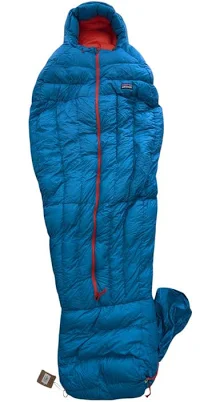
- Down fill + nylon or polyester shell with water-repellent coating treatment
- The brand calls it PFAS-free, which we have not verified
- PFAS
2 hazards checked on this product, all on its full breakdown.
Find an alternative on AmazonMore sleeping bags grades
How we score, every product runs through the same public 0-100 rubric based on materials, coatings, brand disclosure, lab findings, and recalls. See the full methodology → Spotted a mistake? Report an error.