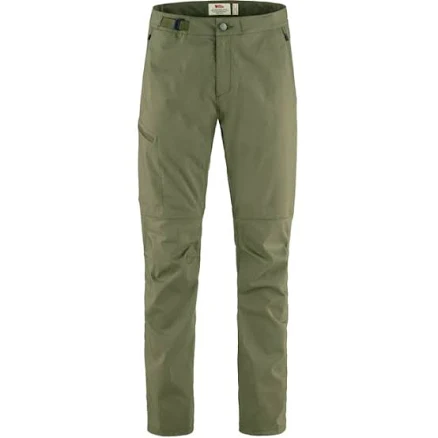
Fjallraven Abisko Hike Trousers Men's
Higher concern due to unspecified water-repellent coating.
These trousers use G-1000 HeavyDuty fabric with a water-repellent coating. Fjallraven has not disclosed the chemistry of this water-repellent coating treatment on the product record.
Still want this one anyway? Check the price on Amazon. We’d swap it.
Material
G-1000 HeavyDuty fabric (65% polyester, 35% cotton), water-repellent coating unspecified
Brand disclosure
Brand is silent on PFAS
Lab data
No public lab test
You may also be interested in
Top-graded picks in the categories readers replace first, every one scored on the same rubric.

- polypropylene filter housing, carbon/sediment cartridge
- We found no PFAS statement from the brand
- Bacterial growth in spent cartridges
3 hazards checked on this product, all on its full breakdown.

Aquasure
Premier Series 75 GPD Under Sink Reverse Osmosis Water Filtration System
- RO membrane, carbon filters, stainless steel housing
- We found no PFAS statement from the brand
- Bacterial and microbial growth in housing and filters
4 hazards checked on this product, all on its full breakdown.

Avocado
Vegan Mattress
- organic cotton, natural latex, coconut coir, recycled steel coils
- The brand calls it PFAS-free, which we have not verified
- Heavy metals
2 hazards checked on this product, all on its full breakdown.
What Fjallraven Abisko Hike Trousers Men's is made of, ingredients and materials
G-1000 HeavyDuty is a 65% polyester, 35% cotton blend, a durable hybrid that balances synthetic strength with natural breathability. The fabric is waxed and treated with a water-repellent (water-repellent coating) coating, but Fjallraven does not publicly specify whether this coating contains PFAS compounds such as Teflon-type coating or other fluorinated polymers. Cotton content reduces reliance on pure synthetics, but polyester introduces potential concerns around antimony catalysts (used in polyester production) and synthetic dye residues if present in the raw material.
What’s concerning
Category baseline
The starting point for this type of product, before anything specific to this product is counted.
No PFAS disclosure
No public statement from the brand about PFAS in this product.
Waterproof / stain-resistant treatment
Water-repellent coating treatments have historically used PFAS.
water-repellent coating leachability and unknown chemistry
Fjallraven does not publicly disclose the water-repellent coating formulation for G-1000 HeavyDuty. Standard industry practice has historically included Teflon-type coating or other fluorinated compounds; without confirmation of alternatives, potential for PFAS or other synthetic leachates during wear and washing cannot be ruled out, especially if coating degrades.
Antimony residue in polyester fiber
Polyester fabric (65% of blend) is commonly produced using antimony trioxide as a catalyst. Residual antimony is typically minimal in finished fabric but potential for trace contamination exists, particularly if material undergoes minimal post-production washing. No specific testing of Abisko trousers for antimony is on record.
Microplastic shedding during washing
Polyester blend will shed microfibers during washing, a general concern for synthetic textiles. The G-1000 weave is tight and durable, which may reduce shedding compared to looser knits, but laundering will still generate some synthetic particle release into wastewater.
What’s reassuring
Azo dye residues and allergens
No public recalls or warnings for azo dyes or formaldehyde finishing resins in Abisko trousers. Fjallraven does not explicitly certify Bluesign or similar dye-standard compliance for this line, but contamination risk from standard outdoor fabric dyeing is low relative to fashion apparel.
Formaldehyde / VOCs
No specific formaldehyde concerns reported for Fjallraven G-1000 line. Standard outdoor fabric finishing may include trace formaldehyde-based resins, but exposure risk is considered minimal in garments that are not worn tight against skin and are regularly aired.
Source, ATSDR ↗How is this PFAS grade calculated?
The brand's record and disclosure
Fjallraven is a Swedish outdoor brand with a mixed environmental and transparency record. The company has published sustainability commitments and claims to phase out harmful chemicals, but does not provide detailed ingredient or coating disclosures on its main product pages for water-repellent coating treatments. No major recalls or regulatory actions specific to Abisko trousers are on public record. The brand's silence on PFAS chemistry in their signature G-1000 line is a notable gap given widespread industry scrutiny of fluorinated water repellents.
How it compares in its category
Abisko trousers sit at the premium end of hiking apparel; similar outdoor brands (Patagonia, Arc'teryx) increasingly disclose or commit to PFAS-free water-repellent coating alternatives, though full phase-out remains incomplete industry-wide. G-1000 HeavyDuty is heavier and more durable than lightweight synthetics, reducing microfiber shedding risk during wear and washing. The cotton blend is a relative strength compared to pure polyester alternatives, which carry higher antimony and microplastic concerns. However, the lack of water-repellent coating transparency puts this product slightly behind peer brands on chemical disclosure.
If you buy it
Wash in cool water, avoid high heat, and do not machine dry; heat can accelerate coating breakdown and potential leaching. Inspect seams and coating annually for wear or flaking; once significantly degraded, effectiveness drops and replacement is warranted. Use a gentle detergent and avoid fabric softeners, which can interfere with water repellency. If water-repellent coating reapplication is needed, research PFAS-free alternatives (such as paraffin-based products) rather than proprietary re-treatments, and contact Fjallraven for their recommendation if you want verification.
What is not known about PFAS in this product?
- Basis
- Model estimate, 42% confidence, not a lab result
- Lab test
- None on record for this exact product
- Brand statement
- Fjallraven has made none
Formulations change between production runs, so check the current label. How we grade.
What are the PFAS-free alternatives to Fjallraven Abisko Hike Trousers Men's?
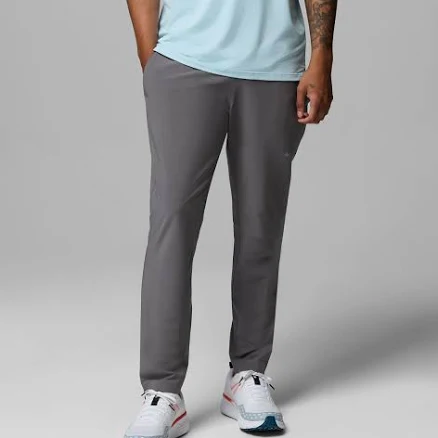
- cotton-blend chino twill (no water-repellent treatment noted)
- Azo dyes (synthetic colorants)
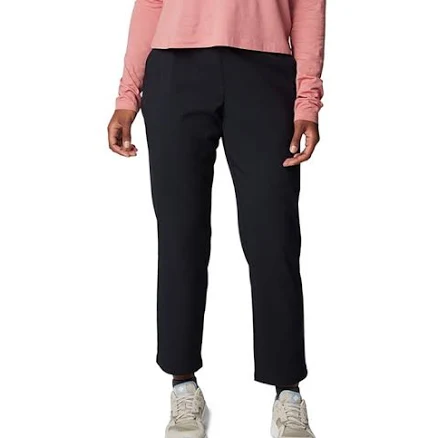
- Nylon/polyester blend knit, no stated water-repellent finish
- Formaldehyde / VOCs
3 hazards checked on this product, all on its full breakdown.
Find an alternative on Amazon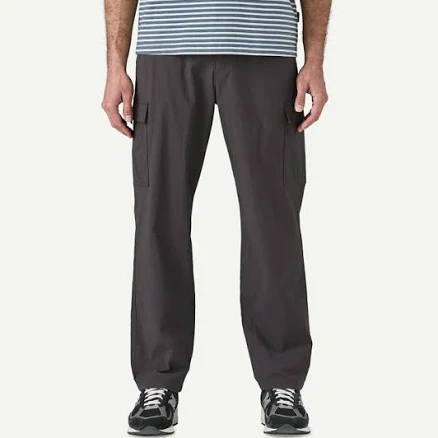
- Nylon blend with water-repellent coating water-repellent finish
- The brand calls it PFAS-free, which we have not verified
- water-repellent coating finish chemistry (unverified)
2 hazards checked on this product, all on its full breakdown.
Find an alternative on AmazonMore hiking pants grades
How we score, every product runs through the same public 0-100 rubric based on materials, coatings, brand disclosure, lab findings, and recalls. See the full methodology → Spotted a mistake? Report an error.