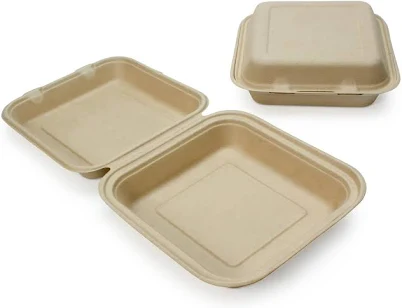
3-Comp 200 Pack Compostable Disposable Food Containers with Lids
Avoid until the brand reveals its coating chemistry publicly.
Compostable containers often use fluorine-free grease barriers, but this brand provides zero coating transparency. Compostability certification doesn't guarantee PFAS absence, as many compostable products contain PFAS alternatives in their grease layers.
The better-graded swap
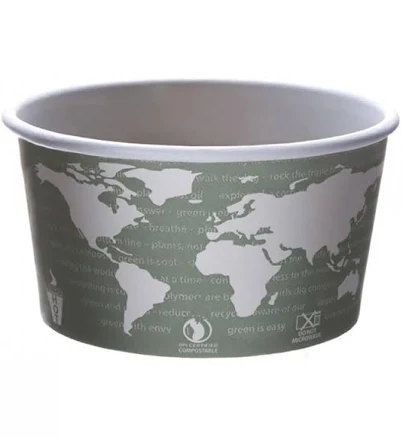
Eco-Products
Eco-Products 12 oz. World Art Compostable Food Containers 25-ct. pack
100/100 safety
Same rubric that flunked this product. The swap earned Excellent.
Still want this one anyway? Check the price on Amazon. We’d swap it.
Material
Compostable resin blend (likely PLA/PBAT) with grease-resistant coating
Brand disclosure
Brand is silent on PFAS
Lab data
No public lab test
You may also be interested in
Top-graded picks in the categories readers replace first, every one scored on the same rubric.

- polypropylene filter housing, carbon/sediment cartridge
- We found no PFAS statement from the brand
- Bacterial growth in spent cartridges
3 hazards checked on this product, all on its full breakdown.

Aquasure
Premier Series 75 GPD Under Sink Reverse Osmosis Water Filtration System
- RO membrane, carbon filters, stainless steel housing
- We found no PFAS statement from the brand
- Bacterial and microbial growth in housing and filters
4 hazards checked on this product, all on its full breakdown.

Avocado
Vegan Mattress
- organic cotton, natural latex, coconut coir, recycled steel coils
- The brand calls it PFAS-free, which we have not verified
- Heavy metals
2 hazards checked on this product, all on its full breakdown.
What 3-Comp 200 Pack Compostable Lids is made of, ingredients and materials
These containers are made from a blend of PLA (polylactic acid, corn-based) and PBAT (polybutylene adipate terephthalate, biodegradable polyester), designed to break down in industrial composting. The grease-resistant coating is the critical unknown, most food service compostable containers use fluorinated coatings (PFAS chemicals) to repel oils and prevent leaching, even though compostable materials themselves are less prone to leaching than conventional plastics. The brand has not publicly disclosed its coating chemistry, which is a red flag for transparency in this product class.
What’s concerning
Category baseline
The starting point for this type of product, before anything specific to this product is counted.
No PFAS disclosure
No public statement from the brand about PFAS in this product.
Waterproof / stain-resistant treatment
Water-repellent coating treatments have historically used PFAS.
PFAS
Grease-resistant coatings on compostable food containers typically contain fluorinated chemicals; The brand's refusal to disclose coating chemistry is consistent with use of legacy or emerging PFAS alternatives. This is the primary non-PFAS hazard of concern for this product class.
Source, ATSDR ↗PLA polymer migration at elevated temperatures
PLA has a lower glass transition temperature than conventional plastics (around 140°F); exposure to hot foods or liquids can increase leaching of oligomers and residual monomers. No recalls or widespread reports exist, but use below recommended temperature limits is prudent.
What’s reassuring
Microplastics
No established reports of microplastic shedding from compostable food containers in normal use. Risk is primarily in landfill or marine persistence if not industrially composted, not in the food itself during intended use.
Source, EPA ↗Formaldehyde / VOCs
PLA/PBAT blends do not require formaldehyde-based resins or flame retardants. Off-gassing is not a documented concern for this material class, unlike conventional polystyrene or certain recycled plastics.
Source, ATSDR ↗Heavy metals
No known reports of heavy metal contamination in mainstream compostable food container products. The brand does not disclose pigment or additive sources, but no recalls or testing alerts exist for this brand.
Source, FDA ↗How is this PFAS grade calculated?
The brand's record and disclosure
The brand's public stance on PFAS and coating chemistry is silent across available sources. The brand does not list certifications like OK Compost or explicit non-PFAS commitments on its product pages. This lack of transparency is particularly concerning because grease-resistant coatings are the primary source of PFAS in food packaging, and compostable material manufacturers vary widely in their coating choices. Without third-party testing or manufacturer disclosure, you cannot verify whether this product contains legacy PFAS (like PFOA) or newer alternatives that may carry similar persistence concerns.
How it compares in its category
Compostable food containers made from PLA/PBAT formulations present lower concern than conventional plastic regarding BPA and phthalate exposure, since these chemicals are not typical additives in PLA/PBAT. However, they still rely on grease-resistant coatings, and many competing brands (such as World Centric or Footprint) explicitly state non-PFAS coatings or carry OK Compost certification as a transparency marker. The brand's silence on this point places it below the transparency baseline of responsible competitors in the compostable segment.
If you buy it
Use these containers only for room-temperature or lukewarm foods; do not microwave or expose to hot liquids above 140°F, as heat can increase migration of coating chemicals into food or degradation of the base polymer. Compost them in an industrial facility (not backyard compost), since home conditions will not break down PLA/PBAT adequately. Replace any containers showing visible cracks, discoloration, or grease saturation, as these are signs the coating is failing. If the product ends up in landfill or marine environments, it will persist for decades despite the compostable label.
What is not known about PFAS in this product?
- Basis
- Model estimate, 45% confidence, not a lab result
- Lab test
- None on record for this exact product
- Brand statement
- has made none
Formulations change between production runs, so check the current label. How we grade.
What are the PFAS-free alternatives to 3-Comp 200 Pack Compostable Disposable Food Containers with Lids?
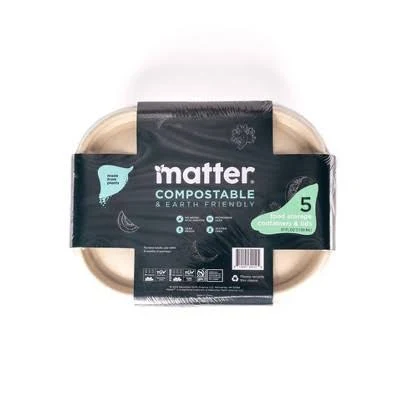
- Plant-based fiber pulp (compostable)
- A third party reports verifying it as PFAS-free
- Microbe/mold growth if stored damp
2 hazards checked on this product, all on its full breakdown.
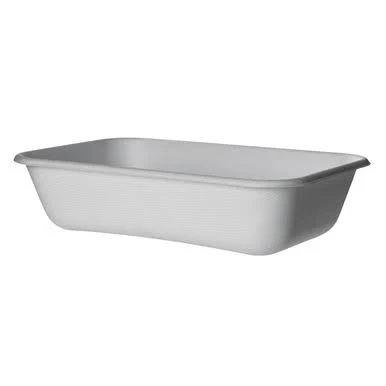
Eco-Products
Eco Products WorldView Compostable Take-Out Containers EP-SCRC32
- Plant-based fiber (compostable sugarcane bagasse)
- A third party reports verifying it as PFAS-free
- Bleaching agents and processing residues
3 hazards checked on this product, all on its full breakdown.
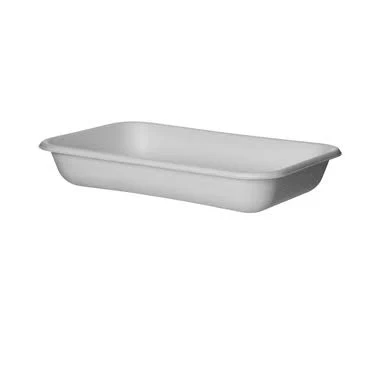
Eco-Products
WorldView Sugarcane Take-Out Containers
- Sugarcane bagasse (post-consumer fiber)
- A third party reports verifying it as PFAS-free
- Cellulose fiber degradation and food contact
2 hazards checked on this product, all on its full breakdown.
More food packaging grades
How we score, every product runs through the same public 0-100 rubric based on materials, coatings, brand disclosure, lab findings, and recalls. See the full methodology → Spotted a mistake? Report an error.