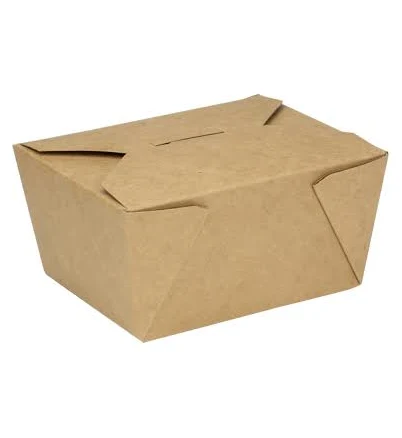
Kraft PLA Lined Compostable #1 Take-Out Container 4.6" x 3.5" x 2.5"- (200/Case)
Lower concern, but ask the manufacturer about the grease-barrier coating first.
PLA-lined compostable containers are inherently lower risk than Teflon-family coating-coated packaging. Kraft paper liners often get water and grease-resistant coatings whose PFAS content the brand doesn't reveal.
The better-graded swap
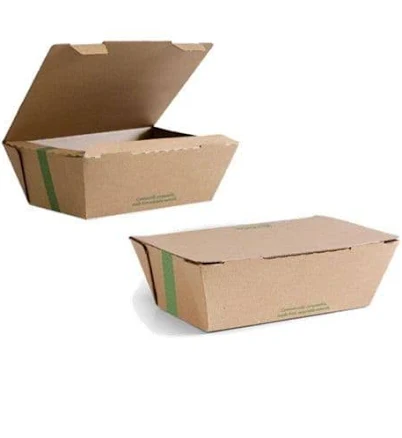
Vegware
Vegware Compostable Microflute Takeaway Box
100/100 safety
Same rubric that flunked this product. The swap earned Excellent.
Still want this one anyway? Check the price on Amazon. We’d swap it.
Material
PLA (polylactic acid) with kraft paper liner
Brand disclosure
Brand is silent on PFAS
Lab data
No public lab test
You may also be interested in
Top-graded picks in the categories readers replace first, every one scored on the same rubric.

- polypropylene filter housing, carbon/sediment cartridge
- We found no PFAS statement from the brand
- Bacterial growth in spent cartridges
3 hazards checked on this product, all on its full breakdown.

Aquasure
Premier Series 75 GPD Under Sink Reverse Osmosis Water Filtration System
- RO membrane, carbon filters, stainless steel housing
- We found no PFAS statement from the brand
- Bacterial and microbial growth in housing and filters
4 hazards checked on this product, all on its full breakdown.

Avocado
Vegan Mattress
- organic cotton, natural latex, coconut coir, recycled steel coils
- The brand calls it PFAS-free, which we have not verified
- Heavy metals
2 hazards checked on this product, all on its full breakdown.
What Kraft PLA Lined 2.5"- (200/Case) is made of, ingredients and materials
This container is PLA (polylactic acid), a plant-derived plastic made from corn or sugarcane, lined with kraft paper for structural integrity and grease resistance. PLA itself has no hazard of this kind on record for BPA, phthalates, or traditional plasticizers, with lower concern than polystyrene or conventional polyethylene terephthalate (PET) for food contact. However, the grease-barrier coating on the kraft liner is the unknown variable; many commercial food containers use fluorinated compounds (PFOA, PFOS, or their replacements) to achieve water and oil resistance, which is why manufacturer disclosure is critical here.
What’s concerning
Category baseline
The starting point for this type of product, before anything specific to this product is counted.
No PFAS disclosure
No public statement from the brand about PFAS in this product.
Waterproof / stain-resistant treatment
Water-repellent coating treatments have historically used PFAS.
PFAS
Kraft-lined food containers commonly use fluorinated compounds for water and oil repellency. The brand has not publicly disclosed the specific coating chemistry, making this a known gap requiring manufacturer inquiry before use with high-fat foods.
Source, ATSDR ↗Thermal instability and leaching at elevated temperatures
PLA softens above 50-60°C and is not microwave-safe. Using these containers for hot foods or heating could alter the polymer and degrade the kraft liner, potentially releasing coating or substrate compounds into food.
What’s reassuring
Microplastics
PLA is stable at room temperature and mild pH ranges typical of fresh food, but no specific migration testing data for the brand's product is publicly available. Risk is low under normal use but increases if containers are reused or exposed to prolonged storage.
Source, EPA ↗Kraft paper adhesives and sizing chemicals
Industrial kraft liners may be glued or chemically treated for structural integrity. The brand does not disclose adhesive or sizing chemistry; risk is low for food contact but remains undocumented for this specific product.
BPA & bisphenols
PLA-based containers do not inherently contain BPA or conventional phthalates. No evidence suggests the brand uses these compounds in this product line, but independent certification is absent.
Source, FDA ↗How is this PFAS grade calculated?
The brand's record and disclosure
The brand markets these containers as compostable and environmentally focused, which aligns with PLA's end-of-life benefits in industrial composting facilities. However, the brand has not published independent safety testing data or certifications (such as FDA food-contact compliance statements) readily available in public sources for this specific product line. The silent stance on PFAS coating chemistry is a transparency gap; responsible compostable-packaging manufacturers typically disclose whether grease barriers use fluorinated compounds or lower-concern alternatives like silicone or wax-based coatings.
How it compares in its category
Compostable PLA containers occupy a middle ground, they avoid legacy hazards like BPA and phthalates found in conventional plastics, but introduce uncertainty around coating chemistry that petroleum-based rigid plastics sometimes disclose more openly. Uncoated cardboard containers eliminate coating risk but fail with wet or oily foods. Traditional polystyrene foam and rigid PET both have clearer (though not always documented as lower concern) coating documentation and longer market history for evaluation.
If you buy it
Contact directly and request documentation of the grease-barrier coating material before using these containers for fatty foods (meats, pastries, oily sauces). Store unopened cases in a cool, dry place; PLA degrades slightly in high heat or sunlight. Use containers only for room-temperature to warm foods (not microwaveable; PLA softens above 50-60°C). Replace if the kraft liner shows visible wear, tearing, or discoloration, as coating integrity may degrade and allow food contact with untested substrate layers.
What is not known about PFAS in this product?
- Basis
- Model estimate, 72% confidence, not a lab result
- Lab test
- None on record for this exact product
- Brand statement
- has made none
Formulations change between production runs, so check the current label. How we grade.
What are the PFAS-free alternatives to Kraft PLA Lined Compostable #1 Take-Out Container 4.6" x 3.5" x 2.5"- (200/Case)?
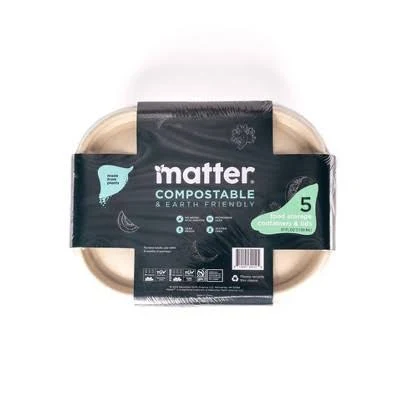
- Plant-based fiber pulp (compostable)
- A third party reports verifying it as PFAS-free
- Microbe/mold growth if stored damp
2 hazards checked on this product, all on its full breakdown.
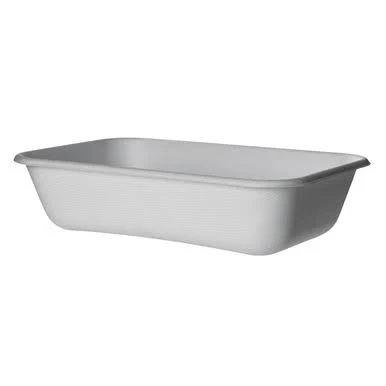
Eco-Products
Eco Products WorldView Compostable Take-Out Containers EP-SCRC32
- Plant-based fiber (compostable sugarcane bagasse)
- A third party reports verifying it as PFAS-free
- Bleaching agents and processing residues
3 hazards checked on this product, all on its full breakdown.
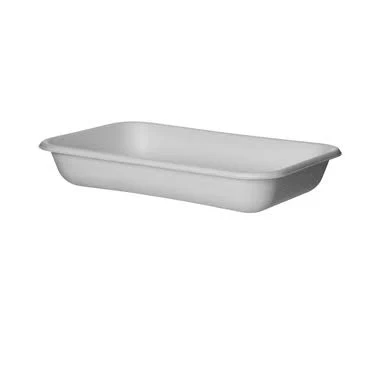
Eco-Products
WorldView Sugarcane Take-Out Containers
- Sugarcane bagasse (post-consumer fiber)
- A third party reports verifying it as PFAS-free
- Cellulose fiber degradation and food contact
2 hazards checked on this product, all on its full breakdown.
More food packaging grades
How we score, every product runs through the same public 0-100 rubric based on materials, coatings, brand disclosure, lab findings, and recalls. See the full methodology → Spotted a mistake? Report an error.