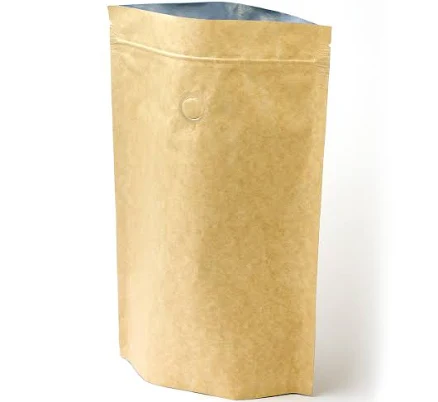
Kraft Compostable Stand Up Valve
Skip until coating transparency improves; grease barriers in food packaging commonly contain PFAS.
The brand's kraft stand-up pouch uses a valve and appears grease-resistant, but the brand discloses nothing about coating chemistry. Kraft paper barriers frequently use PFAS-based water and grease repellents.
The better-graded swap
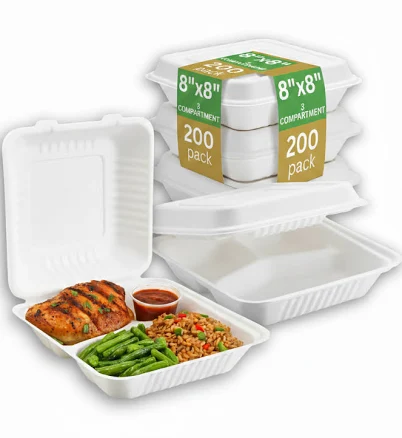
Bagasse
Bagasse Hinged Container 3-Compartment, PFAS Free 200pc
95/100 safety
Same rubric that flunked this product. The swap earned Excellent.
Still want this one anyway? Check the price on Amazon. We’d swap it.
Material
Kraft paper with valve; grease-resistant coating unspecified
Brand disclosure
Brand is silent on PFAS
Lab data
No public lab test
You may also be interested in
Top-graded picks in the categories readers replace first, every one scored on the same rubric.

- polypropylene filter housing, carbon/sediment cartridge
- We found no PFAS statement from the brand
- Bacterial growth in spent cartridges
3 hazards checked on this product, all on its full breakdown.

Aquasure
Premier Series 75 GPD Under Sink Reverse Osmosis Water Filtration System
- RO membrane, carbon filters, stainless steel housing
- We found no PFAS statement from the brand
- Bacterial and microbial growth in housing and filters
4 hazards checked on this product, all on its full breakdown.

Avocado
Vegan Mattress
- organic cotton, natural latex, coconut coir, recycled steel coils
- The brand calls it PFAS-free, which we have not verified
- Heavy metals
2 hazards checked on this product, all on its full breakdown.
What Kraft Compostable Stand Up Valve is made of, ingredients and materials
This product is kraft paper (a mechanical pulp) with an integrated one-way valve, designed to release gases while blocking oxygen and moisture. The critical unknown is the grease-resistant barrier coating applied to the kraft substrate. Kraft paper alone is porous and absorbs oils and moisture, so food-contact kraft packaging almost always includes a moisture or grease barrier. That barrier is where PFAS, silicones, or other synthetic polymers typically hide. No published specification from clarifies which coating is used.
What’s concerning
Category baseline
The starting point for this type of product, before anything specific to this product is counted.
No PFAS disclosure
No public statement from the brand about PFAS in this product.
Waterproof / stain-resistant treatment
Water-repellent coating treatments have historically used PFAS.
PFAS
If the coating is polyethylene, modified celluloses, or wax blends, residual monomers or plasticizers could migrate into fatty or acidic contents (coffee oils, etc.). Risk increases with heat or prolonged contact. No testing has been published for this specific product.
Source, ATSDR ↗Moisture barrier degradation
Kraft paper barriers are not as durable as plastic laminates. Over 12-24 months, the coating may crack or separate, allowing oxygen and moisture ingress, which degrades coffee quality and can promote mold growth if contents are stored improperly post-opening.
Microplastic shedding from valve components
The valve may be made from virgin or recycled plastic (polypropylene or nylon). Wear or degradation could shed microplastics into the product, particularly if the contents are brewed at high temperature or exposed to solvents like espresso oils. No quantitative data available for this product.
What’s reassuring
Valve mechanical failure
One-way valves in kraft pouches are simple mechanical designs with low failure rates, but if the valve seal degrades or clogs, the pouch loses its protective function. No recalls or field complaints are on record for valves specifically.
Ink or print contamination
The exterior printing on kraft pouches may use heavy-metal-bearing inks if not certified food-safe. The brand does not disclose ink certification. Risk of migration to contents is low unless the pouch is creased or damaged, exposing interior surfaces.
How is this PFAS grade calculated?
The brand's record and disclosure
The brand markets this pouch as compostable and eco-friendly but has provided no public disclosure of coating composition, PFAS content, or third-party testing results. The brand's silence on barrier chemistry is a red flag, especially given that compostability claims often mask chemical trade-offs. No established recalls or safety controversies are on record for this specific product, but the lack of transparency prevents verification of whether alternatives to conventional PFAS-based barriers present lower concern.
How it compares in its category
Kraft stand-up pouches with valves dominate specialty coffee and tea packaging because they are cheap, lightweight, and feel eco-friendly. Most competitors use similar unspecified coatings; some major brands (e.g., some Lavazza and Dripkit offerings) have begun disclosing non-PFAS barrier use. The brand does not. This product is middle-of-the-road in transparency; many budget coffee pouches offer no environmental claims, while premium brands increasingly specify PFAS-free coatings or alternative materials like paper-based moisture barriers.
If you buy it
Store the pouch in a cool, dry place away from direct sunlight; do not heat the pouch or leave it in warm cars, as warmth may increase leaching from the barrier coating into the contents. Use the pouch within 12-18 months of purchase; kraft barrier coatings degrade over time and lose effectiveness. Once opened, transfer contents to an airtight glass or metal container to avoid repeated exposure to the coating. Contact directly and request a Certificate of Analysis or Safety Data Sheet for the barrier coating before repurchasing in bulk.
What is not known about PFAS in this product?
- Basis
- Model estimate, 35% confidence, not a lab result
- Lab test
- None on record for this exact product
- Brand statement
- has made none
Formulations change between production runs, so check the current label. How we grade.
What are the PFAS-free alternatives to Kraft Compostable Stand Up Valve?
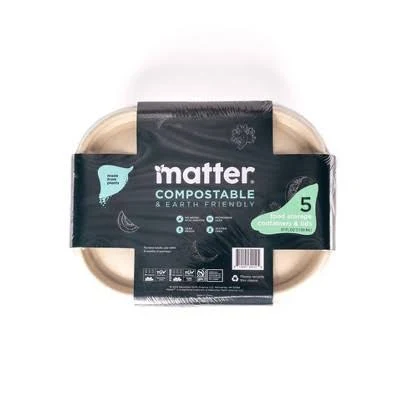
- Plant-based fiber pulp (compostable)
- A third party reports verifying it as PFAS-free
- Microbe/mold growth if stored damp
2 hazards checked on this product, all on its full breakdown.
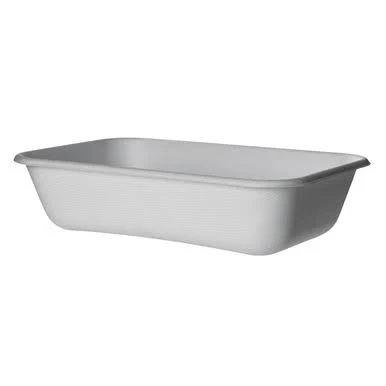
Eco-Products
Eco Products WorldView Compostable Take-Out Containers EP-SCRC32
- Plant-based fiber (compostable sugarcane bagasse)
- A third party reports verifying it as PFAS-free
- Bleaching agents and processing residues
3 hazards checked on this product, all on its full breakdown.
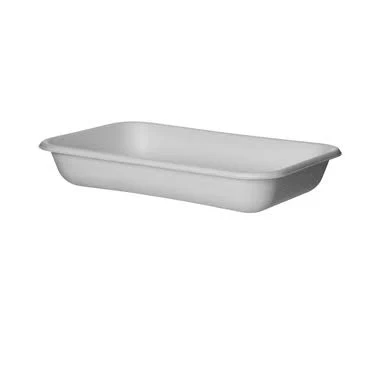
Eco-Products
WorldView Sugarcane Take-Out Containers
- Sugarcane bagasse (post-consumer fiber)
- A third party reports verifying it as PFAS-free
- Cellulose fiber degradation and food contact
2 hazards checked on this product, all on its full breakdown.
More food packaging grades
How we score, every product runs through the same public 0-100 rubric based on materials, coatings, brand disclosure, lab findings, and recalls. See the full methodology → Spotted a mistake? Report an error.