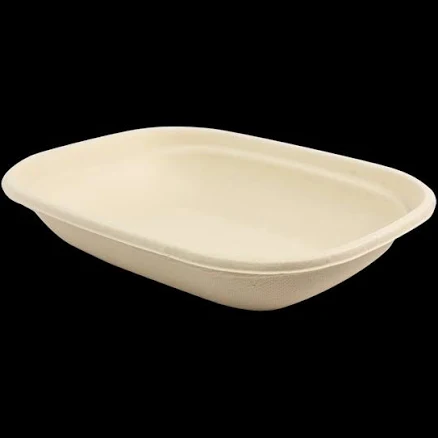
World Centric · Food Packaging
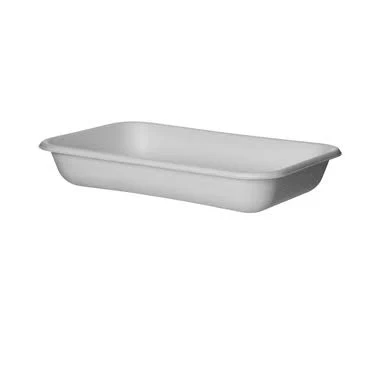
World Centric Compostable Fiber Box 30 oz.
Skip until brand reveals coating chemistry; fiber food packaging often uses PFAS-based barriers.
World Centric's compostable boxes lack public disclosure of their water and grease-resistant coating composition. Fiber-based food packaging commonly relies on PFAS to prevent oil migration.
The better-graded swap
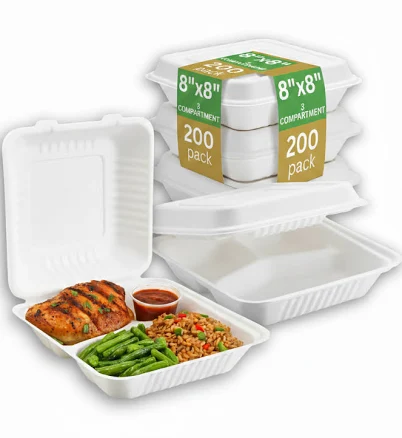
Bagasse
Bagasse Hinged Container 3-Compartment, PFAS Free 200pc
95/100 safety
Same rubric that flunked this product. The swap earned Excellent.
Still want this one anyway? Check the price on Amazon. We’d swap it.
Material
Fiber pulp with undisclosed grease/water-resistant coating
Brand disclosure
Brand is silent on PFAS
Lab data
No public lab test
You may also be interested in
Top-graded picks in the categories readers replace first, every one scored on the same rubric.

- polypropylene filter housing, carbon/sediment cartridge
- We found no PFAS statement from the brand
- Bacterial growth in spent cartridges
3 hazards checked on this product, all on its full breakdown.

Aquasure
Premier Series 75 GPD Under Sink Reverse Osmosis Water Filtration System
- RO membrane, carbon filters, stainless steel housing
- We found no PFAS statement from the brand
- Bacterial and microbial growth in housing and filters
4 hazards checked on this product, all on its full breakdown.

Avocado
Vegan Mattress
- organic cotton, natural latex, coconut coir, recycled steel coils
- The brand calls it PFAS-free, which we have not verified
- Heavy metals
2 hazards checked on this product, all on its full breakdown.
What World Centric Compostable Fiber Box 30 oz. is made of, ingredients and materials
This product is fiber pulp (likely bleached kraft or recycled paperboard) coated with an undisclosed grease and water-resistant barrier. The coating composition is the critical unknown, fiber food packaging typically uses either PFAS-based fluorochemicals (which resist both grease and water) or non-fluorinated alternatives like wax, polyethylene, or bio-based polymers. World Centric's silence on coating type means you cannot verify whether PFAS is present. The fiber substrate itself poses minimal chemical risk if unbleached or FSC-certified, but standard bleached kraft can contain trace chlorine residues.
What’s concerning
Category baseline
The starting point for this type of product, before anything specific to this product is counted.
No PFAS disclosure
No public statement from the brand about PFAS in this product.
Waterproof / stain-resistant treatment
Water-repellent coating treatments have historically used PFAS.
PFAS
Fiber food packaging coatings commonly use PFAS, but if this product uses legacy or undisclosed non-fluorinated alternatives (certain silicones, polyethylene, or wax blends), migration risk varies. No testing data is publicly available for this specific box.
Source, ATSDR ↗Microplastic or coating particle shedding during use
If the coating is damaged, worn, or incompatible with foods (especially hot or fatty items), small fragments may leach into contents. The unspecified coating material and lack of durability testing make this difficult to quantify.
Migration of coating additives in acidic or oily foods
Coffee is acidic and may promote leaching of coating monomers or slip agents if the barrier chemistry includes plasticizers or other organic compounds. Hot conditions compound this risk. No published migration studies for this product exist.
What’s reassuring
Chlorine residues from bleached kraft pulp
Standard bleached kraft used in compostable boxes typically meets FDA safety limits for residual chlorine. No recalls or incidents tied to this brand's boxes indicate this is not a practical concern, though unbleached or FSC-certified variants would lower this risk further.
Contamination from recycled fiber feedstock
If this box uses recycled pulp, trace contaminants (inks, adhesives, or prior PFAS from recycled sources) are possible but rare and typically within regulatory limits. World Centric does not disclose whether virgin or recycled fiber is used in this product.
How is this PFAS grade calculated?
The brand's record and disclosure
World Centric markets products under a 'compostable' and sustainability banner but provides no published specification sheet or third-party testing data for this box's coating chemistry. The brand does not publicly disclose whether its grease barriers use PFAS or PFAS-free formulations. No major recalls or contamination incidents are on record for this specific product, but the absence of transparency on a known PFAS hotspot in the category is a red flag. Compostability claims (presumably meeting ASTM D6868 or EN 13432) refer to the fiber portion, not the coating durability or leaching profile.
How it compares in its category
Most single-use fiber food containers (coffee cups, takeout boxes) globally rely on PFAS-coated barriers because they are cheap and highly effective. Competitors like Footprint and some private labels have begun disclosing PFAS-free coatings or third-party certifications; World Centric's silence suggests they may not have made this switch. Uncoated or certified PFAS-free alternatives (e.g., silicone-coated or wax-lined boxes) exist but cost more and are less common in the compostable market. This product's positioning as 'eco-friendly' makes the lack of coating transparency more concerning than for conventional disposables.
If you buy it
Use for room-temperature or warm (not hot) foods and beverages; prolonged contact with oils, fats, or temperatures above 140F may increase coating migration risk if PFAS-based. Do not microwave or expose to direct heat. Compost via commercial facilities (not home compost) if claimed compliance is genuine, though coating degradation timelines are not independently verified. Replace immediately if visible coating damage, discoloration, or separation occurs. Request the brand's coating specification sheet before repeat purchase; if they cannot provide it, switch to a competitor with published PFAS-free documentation.
What is not known about PFAS in this product?
- Basis
- Model estimate, 45% confidence, not a lab result
- Lab test
- None on record for this exact product
- Brand statement
- World Centric has made none
Formulations change between production runs, so check the current label. How we grade.
What are the PFAS-free alternatives to World Centric Compostable Fiber Box 30 oz.?
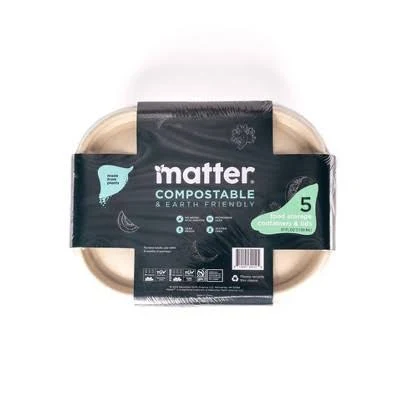
- Plant-based fiber pulp (compostable)
- A third party reports verifying it as PFAS-free
- Microbe/mold growth if stored damp
2 hazards checked on this product, all on its full breakdown.
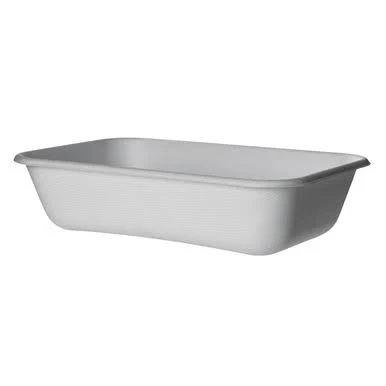
Eco-Products
Eco Products WorldView Compostable Take-Out Containers EP-SCRC32
- Plant-based fiber (compostable sugarcane bagasse)
- A third party reports verifying it as PFAS-free
- Bleaching agents and processing residues
3 hazards checked on this product, all on its full breakdown.
Eco-Products
WorldView Sugarcane Take-Out Containers
- Sugarcane bagasse (post-consumer fiber)
- A third party reports verifying it as PFAS-free
- Cellulose fiber degradation and food contact
2 hazards checked on this product, all on its full breakdown.
More food packaging grades
How we score, every product runs through the same public 0-100 rubric based on materials, coatings, brand disclosure, lab findings, and recalls. See the full methodology → Spotted a mistake? Report an error.