Dart Container · Food Packaging
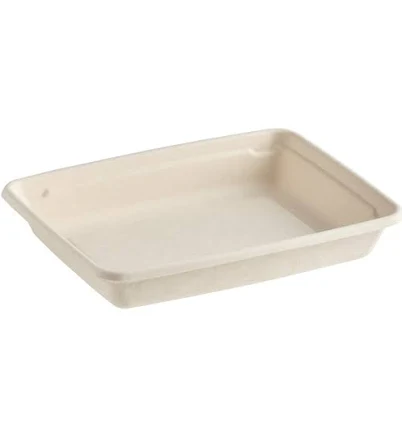
Dart 20-24 oz. Compostable Rectangular Fiber Take-Out Container
Avoid until Dart clarifies. Fiber food containers typically use PFAS-based grease barriers.
Dart's compostable fiber containers need grease resistance, historically achieved with PFAS coatings in the industry. No public disclosure exists about PFAS use or PFAS-free alternatives.
The better-graded swap
Eco-Products
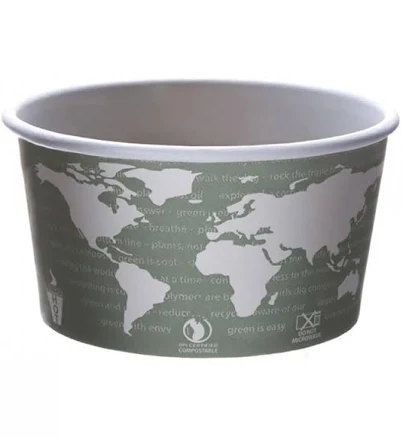
Eco-Products 12 oz. World Art Compostable Food Containers 25-ct. pack
100/100 safety
Same rubric that flunked this product. The swap earned Excellent.
Still want this one anyway? Check the price on Amazon. We’d swap it.
Material
Fiber-based container with grease-resistant coating (composition unspecified)
Brand disclosure
Brand is silent on PFAS
Lab data
No public lab test
You may also be interested in
Top-graded picks in the categories readers replace first, every one scored on the same rubric.

- polypropylene filter housing, carbon/sediment cartridge
- We found no PFAS statement from the brand
- Bacterial growth in spent cartridges
3 hazards checked on this product, all on its full breakdown.

Aquasure
Premier Series 75 GPD Under Sink Reverse Osmosis Water Filtration System
- RO membrane, carbon filters, stainless steel housing
- We found no PFAS statement from the brand
- Bacterial and microbial growth in housing and filters
4 hazards checked on this product, all on its full breakdown.

Avocado
Vegan Mattress
- organic cotton, natural latex, coconut coir, recycled steel coils
- The brand calls it PFAS-free, which we have not verified
- Heavy metals
2 hazards checked on this product, all on its full breakdown.
What Dart 20-24 oz. Compostable Container is made of, ingredients and materials
This is a molded fiber (bagasse or recycled paper pulp) container with an unspecified grease-resistant coating applied to the interior surface. Fiber food containers require barrier coatings to prevent grease and moisture migration; Dart has not publicly disclosed whether this coating contains PFAS-based fluorochemicals (common in the industry) or alternative formulations. The fiber matrix itself is generally inert when used as intended, but the coating chemistry is the material safety bottleneck.
What’s concerning
Category baseline
The starting point for this type of product, before anything specific to this product is counted.
No PFAS disclosure
No public statement from the brand about PFAS in this product.
Waterproof / stain-resistant treatment
Water-repellent coating treatments have historically used PFAS.
PFAS
Fiber food containers almost universally rely on PFAS-based fluorochemical barriers for grease resistance. Dart's silent stance on coating composition and lack of PFAS-free labeling suggest conventional fluorinated formulations are in use. Risk increases with heat, fatty foods, and extended storage.
Source, ATSDR ↗Coating degradation and migration
Fiber containers exposed to hot, acidic, or high-fat foods may experience microscopic coating breakdown, potentially releasing barrier chemicals into food. Dart's unspecified coating technology makes assessment of durability difficult; fiber inherently degrades faster than plastic under stress.
What’s reassuring
Microplastic or fiber shedding
Properly manufactured molded-fiber containers do not shed microplastics (fiber is not plastic). Shedding of visible fiber flakes is rare and indicates manufacturing defect or severe damage; no recalls or complaints on record for Dart fiber containers on this basis.
Heavy metals
Standard Dart containers in this line are typically natural brown fiber with minimal added pigment. No public reports of lead, cadmium, or antimony contamination in Dart fiber containers; regulatory compliance with FDA CFR 175-177 is presumed unless evidence emerges.
Source, FDA ↗BPA & bisphenols
Fiber-based containers do not use BPA or vinyl plasticizers. The coating is fluorochemical-based or alternative synthetic resin; BPA/phthalate risk is not a concern for this material class.
Source, FDA ↗How is this PFAS grade calculated?
The brand's record and disclosure
Dart Container is a major U.S. food-service packaging manufacturer with no public PFAS elimination commitment or third-party certification (such as PFAS-free labeling). The company has not voluntarily disclosed coating chemistry for this product line. Dart has faced no major recalls or safety actions specific to this container type, but the lack of transparency on grease-barrier composition is a red flag given industry-wide PFAS reliance in fiber food packaging.
How it compares in its category
Compostable fiber containers are the mainstream takeout standard in food service. This Dart product is typical in design but lacks clear differentiation on coating safety; competitors like World Centric and some store-brand alternatives explicitly advertise PFAS-free status or use disclosed plant-based or non-fluorinated barriers. If PFAS content is unknown, this product sits in the risky middle of the market, neither premium-transparency nor budget commodity.
If you buy it
Use for room-temperature or mildly warm foods (below 120°F). Avoid prolonged contact with high-fat foods, hot oils, or microwaving, as heat and lipid solvency increase the risk of coating degradation and any potential leaching. Do not reuse; single-use containers are designed for one meal only. If you have frequent takeout needs, consider requesting containers with explicit PFAS-free or PFC-free certification from your restaurant or vendor.
What is not known about PFAS in this product?
- Basis
- Model estimate, 35% confidence, not a lab result
- Lab test
- None on record for this exact product
- Brand statement
- Dart Container has made none
Formulations change between production runs, so check the current label. How we grade.
What are the PFAS-free alternatives to Dart 20-24 oz. Compostable Rectangular Fiber Take-Out Container?
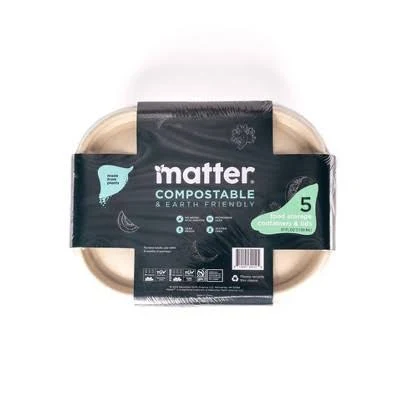
- Plant-based fiber pulp (compostable)
- A third party reports verifying it as PFAS-free
- Microbe/mold growth if stored damp
2 hazards checked on this product, all on its full breakdown.
Eco-Products
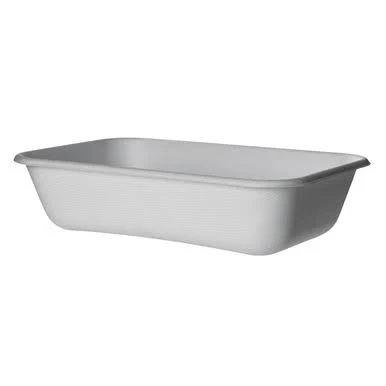
Eco Products WorldView Compostable Take-Out Containers EP-SCRC32
- Plant-based fiber (compostable sugarcane bagasse)
- A third party reports verifying it as PFAS-free
- Bleaching agents and processing residues
3 hazards checked on this product, all on its full breakdown.
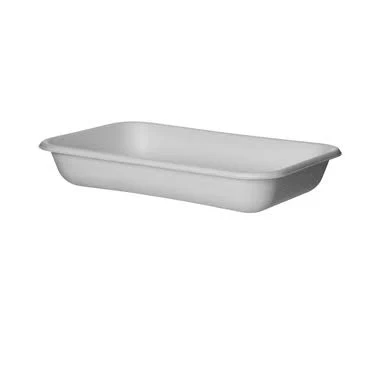
Eco-Products
WorldView Sugarcane Take-Out Containers
- Sugarcane bagasse (post-consumer fiber)
- A third party reports verifying it as PFAS-free
- Cellulose fiber degradation and food contact
2 hazards checked on this product, all on its full breakdown.
More food packaging grades
How we score, every product runs through the same public 0-100 rubric based on materials, coatings, brand disclosure, lab findings, and recalls. See the full methodology → Spotted a mistake? Report an error.