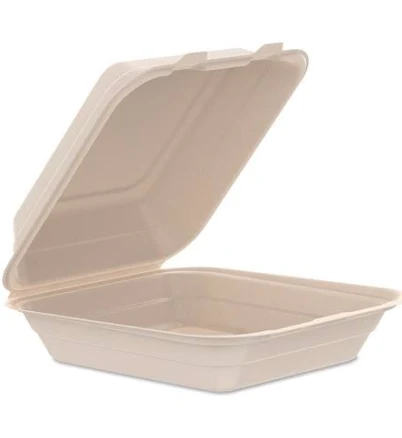
Dart Container · Food Packaging
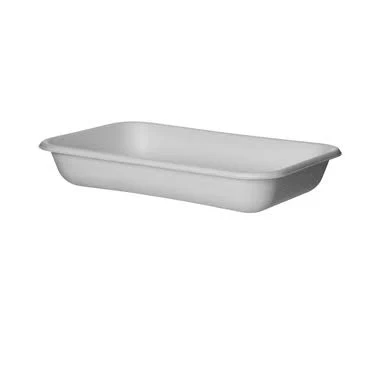
Dart Compostable Molded Fiber Hinged Trays
Avoid until Dart discloses coating chemistry, compostability doesn't mean PFAS-free.
Dart's compostable molded fiber trays have a waterproofing treatment that could contain fluorinated compounds. Compostability doesn't address chemical safety.
The better-graded swap
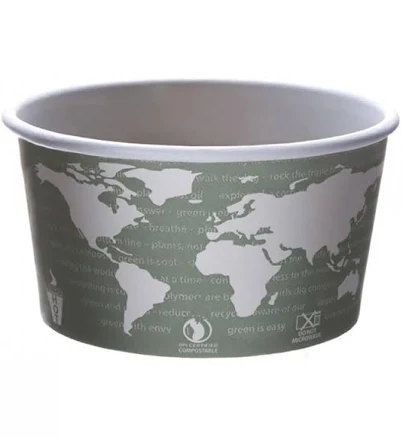
Eco-Products
Eco-Products 12 oz. World Art Compostable Food Containers 25-ct. pack
100/100 safety
Same rubric that flunked this product. The swap earned Excellent.
Still want this one anyway? Check the price on Amazon. We’d swap it.
Material
Molded fiber (sugarcane bagasse/wood pulp) with waterproofing coating
Brand disclosure
Brand is silent on PFAS
Lab data
No public lab test
You may also be interested in
Top-graded picks in the categories readers replace first, every one scored on the same rubric.

- polypropylene filter housing, carbon/sediment cartridge
- We found no PFAS statement from the brand
- Bacterial growth in spent cartridges
3 hazards checked on this product, all on its full breakdown.

Aquasure
Premier Series 75 GPD Under Sink Reverse Osmosis Water Filtration System
- RO membrane, carbon filters, stainless steel housing
- We found no PFAS statement from the brand
- Bacterial and microbial growth in housing and filters
4 hazards checked on this product, all on its full breakdown.

Avocado
Vegan Mattress
- organic cotton, natural latex, coconut coir, recycled steel coils
- The brand calls it PFAS-free, which we have not verified
- Heavy metals
2 hazards checked on this product, all on its full breakdown.
What Dart Compostable Molded Fiber Hinged Trays is made of, ingredients and materials
Dart Compostable Molded Fiber Hinged Trays are made from agricultural waste (sugarcane bagasse and/or wood pulp) formed into rigid, compartmentalized food containers. The fiber matrix itself is inherently low-risk; the concern centers on the waterproofing coating applied to the interior surfaces to prevent grease and moisture breakthrough. Dart has not publicly disclosed whether this coating uses fluorinated compounds (PFAS), silicone-based polymers, or wax blends, which creates uncertainty about long-term leaching into fatty or acidic foods.
What’s concerning
Category baseline
The starting point for this type of product, before anything specific to this product is counted.
No PFAS disclosure
No public statement from the brand about PFAS in this product.
Waterproof / stain-resistant treatment
Water-repellent coating treatments have historically used PFAS.
PFAS
The interior coating chemistry is proprietary and unconfirmed. If fluorinated, risk is migration into fatty or hot foods; if silicone or wax-based, risk is lower but still unquantified. No published migration studies specific to Dart trays are available.
Source, ATSDR ↗Coating degradation and microfiber/particulate shedding over repeated use or washing
Molded fiber trays are typically single-use, but commercial operations may reuse if washed. Repeated thermal or mechanical stress can degrade the coating and cause fiber breakdown. No data on microfiber shedding from Dart trays under these conditions exists in public literature.
Cross-contamination or bacterial colonization of coating surface if reused
Porous molded fiber can trap bacteria and food residue if hand-washed rather than discarded after single use. Rough or degraded coating surfaces increase colonization risk. Intended single-use design mitigates this, but actual practice in institutions may differ.
What’s reassuring
Formaldehyde / VOCs
Molded fiber manufacturing typically uses urea-formaldehyde or phenol-formaldehyde binders in the pulp matrix. Dart does not publish formaldehyde levels; compostability certifications do not always verify formaldehyde content. Off-gassing risk is considered low for food-contact use but is not independently verified for this brand.
Source, ATSDR ↗Heavy metals
Food-grade molded fiber is generally subject to FDA indirect food-additive regulations, which limit heavy-metal migration. Dart's products are assumed compliant, but independent testing of lead, cadmium, or chromium is not publicly reported.
Source, FDA ↗How is this PFAS grade calculated?
The brand's record and disclosure
Dart Container is a major foodservice packaging manufacturer but has maintained silence on PFAS use in its compostable product lines, despite industry-wide pressure starting around 2019-2021. No recalls specifically targeting toxicant leaching from Dart molded fiber trays appear in FDA or CPSC records. The company has not published ingredient transparency or third-party certification (e.g., from Green Seal, TUV, or compostability bodies that audit chemical content). This silence is notably in contrast to some competitors who have begun phasing fluorinated coatings.
How it compares in its category
Molded fiber hinged trays occupy a middle ground, lower concern than conventional polystyrene (PS) foam and polyethylene terephthalate (PET) clamshells in terms of baseline plastic leachates and thermal sensitivity, but less transparent than glass or uncoated cardboard. Many newer entrants (e.g., some Footprint, Notpla, and regional converters) now disclose PFAS-free coatings or use plant-based wax alternatives. Dart's refusal to disclose puts it behind the transparency curve for environmentally and health-conscious buyers, even if the molded fiber substrate itself is a sensible choice.
If you buy it
Avoid prolonged contact with hot, fatty, or acidic foods (e.g., warm oils, tomato sauces, vinegar-based dressings) which can accelerate any coating leaching. Do not microwave; molded fiber can soften and the coating chemistry is untested under microwave conditions. Use primarily for cold or room-temperature prepared foods and baked goods. Store in cool, dry conditions to minimize moisture-driven degradation. Contact Dart directly to request coating ingredient disclosure; consumer pressure is the most effective lever for transparency. Consider switching to brands with verified PFAS-free claims if frequent use is anticipated.
What is not known about PFAS in this product?
- Basis
- Model estimate, 45% confidence, not a lab result
- Lab test
- None on record for this exact product
- Brand statement
- Dart Container has made none
Formulations change between production runs, so check the current label. How we grade.
What are the PFAS-free alternatives to Dart Compostable Molded Fiber Hinged Trays?
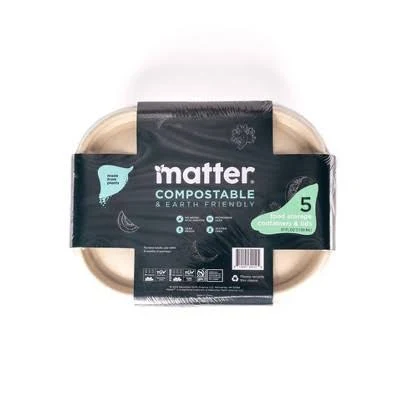
- Plant-based fiber pulp (compostable)
- A third party reports verifying it as PFAS-free
- Microbe/mold growth if stored damp
2 hazards checked on this product, all on its full breakdown.
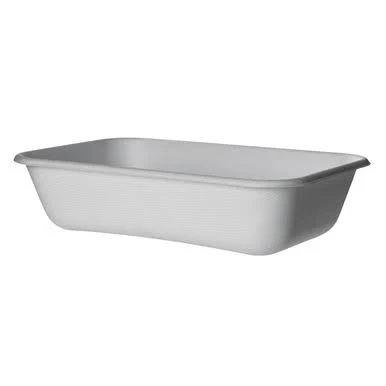
Eco-Products
Eco Products WorldView Compostable Take-Out Containers EP-SCRC32
- Plant-based fiber (compostable sugarcane bagasse)
- A third party reports verifying it as PFAS-free
- Bleaching agents and processing residues
3 hazards checked on this product, all on its full breakdown.
Eco-Products
WorldView Sugarcane Take-Out Containers
- Sugarcane bagasse (post-consumer fiber)
- A third party reports verifying it as PFAS-free
- Cellulose fiber degradation and food contact
2 hazards checked on this product, all on its full breakdown.
More food packaging grades
How we score, every product runs through the same public 0-100 rubric based on materials, coatings, brand disclosure, lab findings, and recalls. See the full methodology → Spotted a mistake? Report an error.