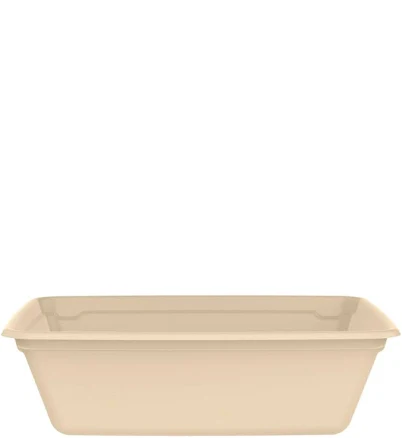
Dart Container · Food Packaging
Dart Compostable Rectangular Fiber Take-Out Container 30-32 oz. 300/Case
Wait for transparent coating information. Compostable fiber containers frequently use fluorinated barriers.
Dart markets compostable fiber containers but stays silent on the moisture and grease-resistant coating formula. Industry practice often relies on fluorinated PFAS coatings for this function.
The better-graded swap
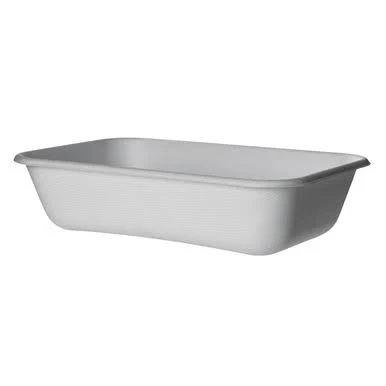
Eco-Products
Eco Products WorldView Compostable Take-Out Containers EP-SCRC32
100/100 safety
Same rubric that flunked this product. The swap earned Excellent.
Still want this one anyway? Check the price on Amazon. We’d swap it.
Material
Fiber pulp (compostable) with unspecified moisture/grease barrier coating
Brand disclosure
Brand is silent on PFAS
Lab data
No public lab test
You may also be interested in
Top-graded picks in the categories readers replace first, every one scored on the same rubric.

- polypropylene filter housing, carbon/sediment cartridge
- We found no PFAS statement from the brand
- Bacterial growth in spent cartridges
3 hazards checked on this product, all on its full breakdown.

Aquasure
Premier Series 75 GPD Under Sink Reverse Osmosis Water Filtration System
- RO membrane, carbon filters, stainless steel housing
- We found no PFAS statement from the brand
- Bacterial and microbial growth in housing and filters
4 hazards checked on this product, all on its full breakdown.

Avocado
Vegan Mattress
- organic cotton, natural latex, coconut coir, recycled steel coils
- The brand calls it PFAS-free, which we have not verified
- Heavy metals
2 hazards checked on this product, all on its full breakdown.
What Dart Compostable Rectangular oz. 300/Case is made of, ingredients and materials
This product is molded fiber pulp (recycled paper/plant fiber) designed to be compostable, but the critical unknown is the moisture and grease barrier coating applied to the interior. Uncoated fiber absorbs liquids rapidly and fails structurally with greasy foods. Dart does not publicly specify the coating chemistry on this product line. The barrier is most likely a fluorinated compound (PFAS-based) or, less commonly, a non-fluorinated polyester or wax blend, but without disclosure, the actual composition is opaque.
What’s concerning
Category baseline
The starting point for this type of product, before anything specific to this product is counted.
No PFAS disclosure
No public statement from the brand about PFAS in this product.
Waterproof / stain-resistant treatment
Water-repellent coating treatments have historically used PFAS.
PFAS
The unspecified grease-barrier coating is statistically likely to contain PFAS or PFAS-like fluorochemicals based on industry-standard formulations for compostable fiber. Dart has not publicly committed to PFAS-free alternatives or disclosed coating identity. Migration into fatty or acidic foods is plausible under stress (prolonged contact, heat).
Source, ATSDR ↗Barrier chemical migration on heating
Even if the coating is non-fluorinated (polyester, wax, or PFAS-free alternatives), heating or microwave use can promote migration of coating monomers or additives into food. No independent testing of this specific product under thermal stress is publicly available.
Mold or bacterial colonization if wet-stored
Fiber pulp is hygroscopic and can harbor mold or bacterial growth if stored damp or in humid conditions before use. This is a general food-contact concern for fiber-based packaging but is not specific to Dart's product quality.
Lack of compostability in home or landfill conditions
Compostable fiber containers marketed as such typically require industrial composting (55-60 C, 12+ weeks) to degrade. In home compost or landfill, they persist and may not break down, defeating the environmental claim and potentially accumulating in soil or waste streams.
What’s reassuring
Microplastic or fiber fragment shedding
Molded fiber containers can shed small pulp or coating particles, especially if the surface degrades over time or if the coating delaminates. No reported incidents exist for this product, but mechanical wear of barrier coatings in food contact is a theoretical concern in long-term use.
How is this PFAS grade calculated?
The brand's record and disclosure
Dart Container is a major foodservice packaging manufacturer with no publicly available detailed transparency on fluorochemical content in their compostable fiber lines. The company has not issued voluntary PFAS phase-out commitments comparable to some competitors. Industry-wide, many compostable fiber manufacturers have faced pressure to disclose or eliminate PFAS in barriers, but Dart's stance remains silent on this specific product. No major recalls or safety incidents are on record for this container type from Dart.
How it compares in its category
Compostable fiber containers like this occupy a middle ground, they avoid rigid plastics and polystyrene, but introduce coating uncertainty absent in plain cardboard or molded pulp without barriers. Comparable products from Footprint and some store brands increasingly disclose non-fluorinated or PFAS-free barrier options, whereas Dart has not. Uncoated paper containers eliminate coating risk but fail with oily foods. Traditional polypropylene or PET rigid clamshells have known chemistry but are non-compostable.
If you buy it
Use for dry or minimal-moisture foods (baked goods, salads without dressing) rather than greasy or hot items to rely on the barrier minimally. Do not microwave or heat; compostable coatings may release monomers or barrier chemicals when heated, especially if coating is fluorinated. If composting at home, these containers require industrial composting conditions to break down properly and will persist in landfill. Request Dart's safety data sheet (SDS) or coating specification to know what you are using; silence on this issue is a legitimate reason for caution.
What is not known about PFAS in this product?
- Basis
- Model estimate, 35% confidence, not a lab result
- Lab test
- None on record for this exact product
- Brand statement
- Dart Container has made none
Formulations change between production runs, so check the current label. How we grade.
What are the PFAS-free alternatives to Dart Compostable Rectangular Fiber Take-Out Container 30-32 oz. 300/Case?
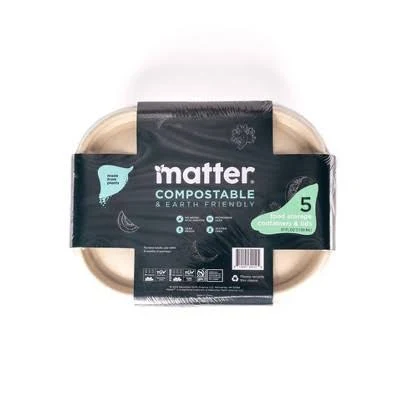
- Plant-based fiber pulp (compostable)
- A third party reports verifying it as PFAS-free
- Microbe/mold growth if stored damp
2 hazards checked on this product, all on its full breakdown.
Eco-Products
Eco Products WorldView Compostable Take-Out Containers EP-SCRC32
- Plant-based fiber (compostable sugarcane bagasse)
- A third party reports verifying it as PFAS-free
- Bleaching agents and processing residues
3 hazards checked on this product, all on its full breakdown.
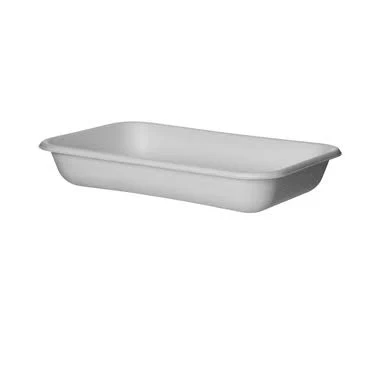
Eco-Products
WorldView Sugarcane Take-Out Containers
- Sugarcane bagasse (post-consumer fiber)
- A third party reports verifying it as PFAS-free
- Cellulose fiber degradation and food contact
2 hazards checked on this product, all on its full breakdown.
More food packaging grades
How we score, every product runs through the same public 0-100 rubric based on materials, coatings, brand disclosure, lab findings, and recalls. See the full methodology → Spotted a mistake? Report an error.