Dart Container · Food Packaging
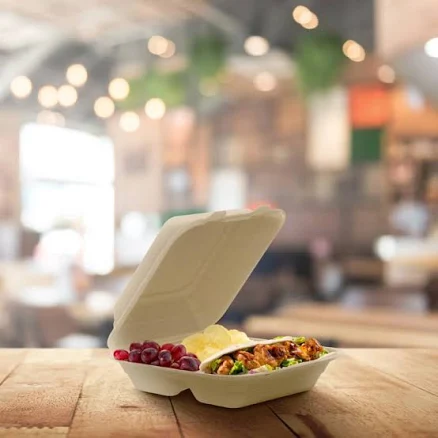
Dart ProPlanet 8" x 8" 3-Compartment Compostable Fiber Hinged Take-Out Container
Avoid, compostable fiber containers often use fluorinated PFAS for grease resistance.
Dart's compostable fiber takeout container has an unnamed water and grease-resistant coating. Such treatments commonly use PFAS in compostable products.
The better-graded swap
World Centric
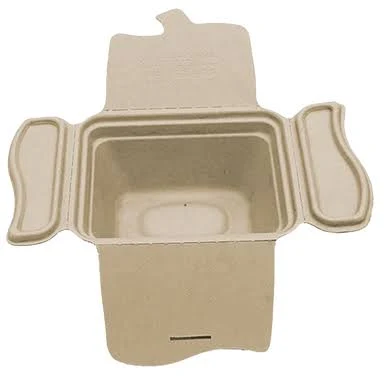
World Centric Compostable Fiber Compost-A-Pak Containers
95/100 safety
Same rubric that flunked this product. The swap earned Excellent.
Still want this one anyway? Check the price on Amazon. We’d swap it.
Material
Compostable fiber (plant-based pulp) with unknown water/grease-resistant coating
Brand disclosure
Brand is silent on PFAS
Lab data
No public lab test
You may also be interested in
Top-graded picks in the categories readers replace first, every one scored on the same rubric.

- polypropylene filter housing, carbon/sediment cartridge
- We found no PFAS statement from the brand
- Bacterial growth in spent cartridges
3 hazards checked on this product, all on its full breakdown.

Aquasure
Premier Series 75 GPD Under Sink Reverse Osmosis Water Filtration System
- RO membrane, carbon filters, stainless steel housing
- We found no PFAS statement from the brand
- Bacterial and microbial growth in housing and filters
4 hazards checked on this product, all on its full breakdown.

Avocado
Vegan Mattress
- organic cotton, natural latex, coconut coir, recycled steel coils
- The brand calls it PFAS-free, which we have not verified
- Heavy metals
2 hazards checked on this product, all on its full breakdown.
What Dart ProPlanet 8" x 8" Container is made of, ingredients and materials
Dart ProPlanet containers are made from plant-based molded fiber (typically bagasse, wheat straw, or recycled paper pulp) and marketed as compostable. However, to resist grease and moisture from food, manufacturers typically apply a water/oil barrier coating. Dart has not publicly disclosed whether this coating contains PFAS or alternative chemistries. The grease-resistance need is real in food service, but the solution chosen remains opaque.
What’s concerning
Category baseline
The starting point for this type of product, before anything specific to this product is counted.
No PFAS disclosure
No public statement from the brand about PFAS in this product.
Waterproof / stain-resistant treatment
Water-repellent coating treatments have historically used PFAS.
PFAS
Dart does not publicly specify whether the grease-resistant coating uses alternative chemistries (silicone, wax emulsions, chitosan) or synthetic polymers. Some proprietary coatings may leach monomers or plasticizers under heat or with acidic/fatty foods.
Source, ATSDR ↗Microplastic or fiber shedding when heated or agitated
Molded fiber can shed small particles if the coating degrades or if the container is microwaved, despite 'compostable' labeling. Users often misuse these containers at temperatures beyond their design limits.
Incomplete or slow decomposition if mishandled
If the coating is PFAS-based, it will not degrade in industrial composting and will persist in the environment. Coatings without identified PFAS may not fully break down in home composting, creating a false sense of environmental safety.
Contamination risk if reused or washed
These are single-use containers and not designed for washing or reuse. Repeated water exposure or high-temperature washing can cause coating separation and fiber degradation, potentially releasing coating particles into food or water.
What’s reassuring
Migration of printing inks or adhesives
No specific reports for Dart ProPlanet, but molded fiber containers with printed branding can leach ink components if coatings are compromised. Dart does not disclose ink formulation or migration testing data.
How is this PFAS grade calculated?
The brand's record and disclosure
Dart Container does not maintain a public PFAS policy, safety data sheet readily available for consumers, or third-party certifications addressing coating chemistry. The company has faced no major recalls specifically tied to this product line, but the lack of transparency about coating composition is a red flag in an industry where PFAS use in compostable and paper-based foodware is documented. Competitors like World Centric and Footprint have moved toward PFAS-free claims; Dart's silence suggests no equivalent commitment.
How it compares in its category
Most single-use compostable fiber containers face the same grease-barrier dilemma. This Dart line sits in the middle price tier and is widely stocked in foodservice supply chains. Alternatives include wax-lined paper containers (older standard, less compostable), silicone-coated fiber (PFAS-free but not always marked), or certified PFAS-free compostable containers (smaller brands, higher cost). Dart's market penetration does not reflect safety superiority; it reflects distribution scale and cost leadership.
If you buy it
Use only for room-temperature or warm (not hot) foods; high heat can accelerate coating migration. Do not microwave. If composting, verify your facility accepts Dart's certified compostable grade (typically BPI or EN 13432 certified); home compost may not reach the required temperature. Replace if the interior surface shows visible wear, separation, or discoloration. For frequent users (restaurants, catering), request Dart's technical data sheet or switch to a brand with published PFAS-free certification.
What is not known about PFAS in this product?
- Basis
- Model estimate, 45% confidence, not a lab result
- Lab test
- None on record for this exact product
- Brand statement
- Dart Container has made none
Formulations change between production runs, so check the current label. How we grade.
What are the PFAS-free alternatives to Dart ProPlanet 8" x 8" 3-Compartment Compostable Fiber Hinged Take-Out Container?
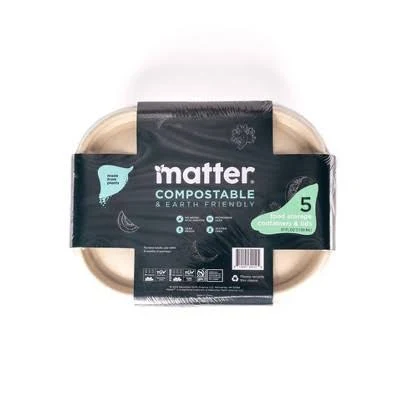
- Plant-based fiber pulp (compostable)
- A third party reports verifying it as PFAS-free
- Microbe/mold growth if stored damp
2 hazards checked on this product, all on its full breakdown.
Eco-Products
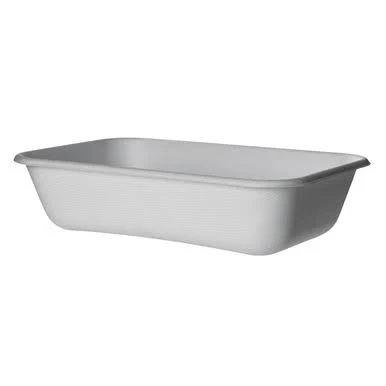
Eco Products WorldView Compostable Take-Out Containers EP-SCRC32
- Plant-based fiber (compostable sugarcane bagasse)
- A third party reports verifying it as PFAS-free
- Bleaching agents and processing residues
3 hazards checked on this product, all on its full breakdown.
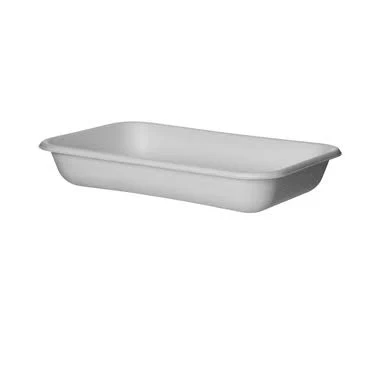
Eco-Products
WorldView Sugarcane Take-Out Containers
- Sugarcane bagasse (post-consumer fiber)
- A third party reports verifying it as PFAS-free
- Cellulose fiber degradation and food contact
2 hazards checked on this product, all on its full breakdown.
More food packaging grades
How we score, every product runs through the same public 0-100 rubric based on materials, coatings, brand disclosure, lab findings, and recalls. See the full methodology → Spotted a mistake? Report an error.