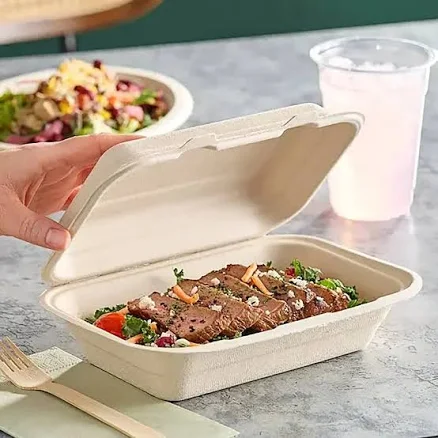
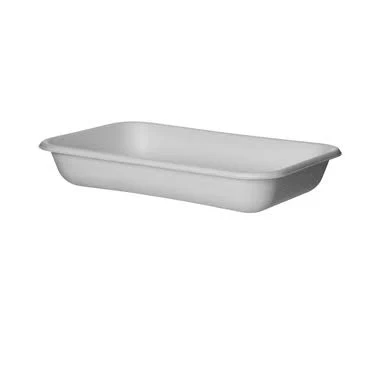
Dart Compostable Fiber Hinged Containers ProPlanet Seal 6.34 x 9.06 x 1.97
Skip until coating chemistry is disclosed, compostable fiber often contains fluorinated treatments.
Dart compostable hinged containers market themselves as eco-friendly without disclosing grease and water-resistant coating chemistry. Food-contact fiber packaging commonly relies on PFAS-based water-repellent coating finishes.
The better-graded swap
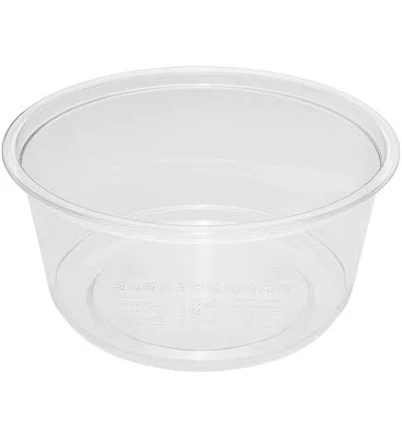
Karat
Karat Earth Eco-Friendly PLA Round Deli Container
100/100 safety
Same rubric that flunked this product. The swap earned Excellent.
Still want this one anyway? Check the price on Amazon. We’d swap it.
Material
fiber-based container with grease/water-resistant coating
Brand disclosure
Brand is silent on PFAS
Lab data
No public lab test
You may also be interested in
Top-graded picks in the categories readers replace first, every one scored on the same rubric.

- polypropylene filter housing, carbon/sediment cartridge
- We found no PFAS statement from the brand
- Bacterial growth in spent cartridges
3 hazards checked on this product, all on its full breakdown.

Aquasure
Premier Series 75 GPD Under Sink Reverse Osmosis Water Filtration System
- RO membrane, carbon filters, stainless steel housing
- We found no PFAS statement from the brand
- Bacterial and microbial growth in housing and filters
4 hazards checked on this product, all on its full breakdown.

Avocado
Vegan Mattress
- organic cotton, natural latex, coconut coir, recycled steel coils
- The brand calls it PFAS-free, which we have not verified
- Heavy metals
2 hazards checked on this product, all on its full breakdown.
What Dart Compostable Fiber ProPlanet Seal is made of, ingredients and materials
This is a fiber-based hinged clamshell container (likely molded pulp or paperboard) with a grease and water-resistant coating applied to the interior surfaces. Fiber containers require chemical coatings to prevent oil and moisture from seeping through the porous substrate, but many manufacturers use fluorinated treatments (PFAS compounds) for this purpose because they are highly effective and inexpensive. The brand's ProPlanet Seal branding suggests environmental positioning, but the actual coating chemistry is not publicly disclosed, leaving the PFAS status opaque.
What’s concerning
Category baseline
The starting point for this type of product, before anything specific to this product is counted.
No PFAS disclosure
No public statement from the brand about PFAS in this product.
Waterproof / stain-resistant treatment
Water-repellent coating treatments have historically used PFAS.
PFAS
Fiber food containers almost universally rely on fluorinated treatments for water and grease resistance; The brand's silence on this and the poor PFAS safety rating strongly suggest their standard formulation contains PFAS compounds that can migrate into food and accumulate in the body.
Source, ATSDR ↗Coating degradation under heat or acid exposure
Fiber-based coatings are vulnerable to breakdown when exposed to hot foods, acidic contents, or microwave heating. If the coating degrades, fibers may shed into food and the protective barrier is lost, allowing direct contact between food and potentially treated fiber substrate.
Microplastic or fiber shedding into food
If the water/grease-resistant coating deteriorates over time or during use, small fiber particles or coating fragments may shed into food, especially liquid or fatty foods. The long-term health impact of ingesting small quantities of coated food-service fibers is not well-established.
Compostability claim versus actual biodegradation timeline
Compostable certifications (such as ASTM D6868) require breakdown in industrial composting at 58 degrees Celsius, a condition not met in home compost or most municipal systems. Fluorinated coatings may also resist microbial breakdown, delaying or preventing decomposition even in industrial facilities.
What’s reassuring
Undisclosed chemical residues in fiber pulp source
Fiber-based containers may contain trace bleach, sizing agents, or other processing chemicals from the pulp manufacturing process. The brand does not disclose pulp sourcing or residual chemical testing, so contamination risk cannot be assessed.
How is this PFAS grade calculated?
The brand's record and disclosure
The brand is a publicly traded packaging company that markets sustainability but has not published specific coating formulations or PFAS content statements for this product line despite growing industry scrutiny. The company has faced investor and NGO pressure on PFAS use in food-contact packaging but has not committed to phase-out timelines or full ingredient transparency. Their silence on coating chemistry is notable given competitors in the compostable/sustainable space have begun disclosing this information voluntarily.
How it compares in its category
Compostable fiber hinged containers are marketed as greener alternatives to plastic clamshells, but many still rely on fluorinated coatings to meet grease-resistance standards required for hot or oily foods. Some manufacturers (e.g., World Centric, some Huhtamaki lines) have published non-fluorinated coating alternatives, though these typically cost more and have narrower temperature/grease tolerance. The brand's refusal to disclose coating type puts this product at the lower end of transparency compared to certified compostable options with published chemical statements.
If you buy it
Do not use for extended contact with hot or fatty foods; the coating's performance under heat stress is unknown and could degrade, allowing fibers to absorb oil. Store dry and do not microwave or place in conventional ovens. If purchasing, request a Material Safety Data Sheet (MSDS) for the coating from directly; lack of response confirms non-disclosure. Consider switching to fiber containers from brands that publish PFAS-free or third-party-tested coating certifications.
What is not known about PFAS in this product?
- Basis
- Model estimate, 42% confidence, not a lab result
- Lab test
- None on record for this exact product
- Brand statement
- has made none
Formulations change between production runs, so check the current label. How we grade.
What are the PFAS-free alternatives to Dart Compostable Fiber Hinged Containers ProPlanet Seal 6.34 x 9.06 x 1.97?
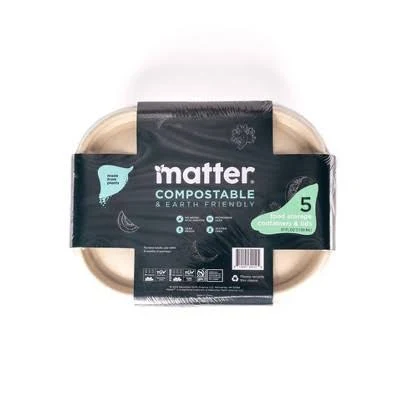
- Plant-based fiber pulp (compostable)
- A third party reports verifying it as PFAS-free
- Microbe/mold growth if stored damp
2 hazards checked on this product, all on its full breakdown.
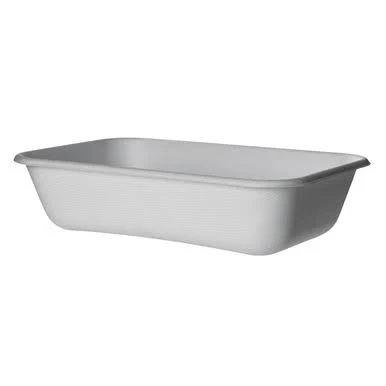
Eco-Products
Eco Products WorldView Compostable Take-Out Containers EP-SCRC32
- Plant-based fiber (compostable sugarcane bagasse)
- A third party reports verifying it as PFAS-free
- Bleaching agents and processing residues
3 hazards checked on this product, all on its full breakdown.
Eco-Products
WorldView Sugarcane Take-Out Containers
- Sugarcane bagasse (post-consumer fiber)
- A third party reports verifying it as PFAS-free
- Cellulose fiber degradation and food contact
2 hazards checked on this product, all on its full breakdown.
More food packaging grades
How we score, every product runs through the same public 0-100 rubric based on materials, coatings, brand disclosure, lab findings, and recalls. See the full methodology → Spotted a mistake? Report an error.