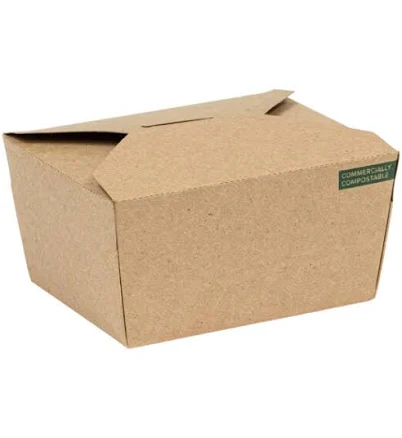
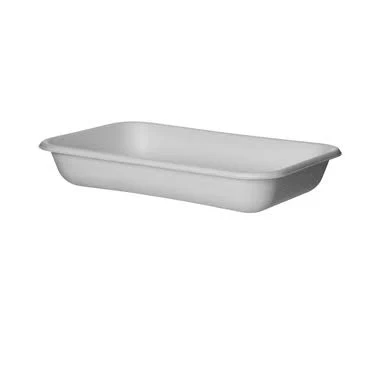
InnoPak Recycled Folded Takeout Container
A water-repellent or grease-resistant treatment of unstated chemistry, and no PFAS statement from the brand.
The brand has published no PFAS statement for this product that we could find. Its record describes a water-repellent or grease-resistant treatment of unstated chemistry, which is still counted.
The better-graded swap
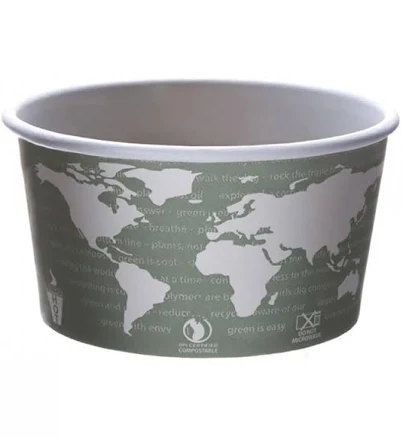
Eco-Products
Eco-Products 12 oz. World Art Compostable Food Containers 25-ct. pack
100/100 safety
Same rubric that flunked this product. The swap earned Excellent.
Still want this one anyway? Check the price on Amazon. We’d swap it.
Material
Recycled fiber/paperboard, grease-resistant lining
Brand disclosure
Brand is silent on PFAS
Lab data
No public lab test
You may also be interested in
Top-graded picks in the categories readers replace first, every one scored on the same rubric.

- polypropylene filter housing, carbon/sediment cartridge
- We found no PFAS statement from the brand
- Bacterial growth in spent cartridges
3 hazards checked on this product, all on its full breakdown.

Aquasure
Premier Series 75 GPD Under Sink Reverse Osmosis Water Filtration System
- RO membrane, carbon filters, stainless steel housing
- We found no PFAS statement from the brand
- Bacterial and microbial growth in housing and filters
4 hazards checked on this product, all on its full breakdown.

Avocado
Vegan Mattress
- organic cotton, natural latex, coconut coir, recycled steel coils
- The brand calls it PFAS-free, which we have not verified
- Heavy metals
2 hazards checked on this product, all on its full breakdown.
What InnoPak Recycled Folded Takeout Container is made of, ingredients and materials
InnoPak's folded takeout container is paperboard made from recycled fiber, which reduces virgin material demand but carries risk of contaminant concentration from prior uses. The critical unknown is the grease-resistant lining applied to the interior surface to prevent oil and moisture migration. The brand has not publicly disclosed whether this lining is PFAS-based (fluorochemical), silicone, wax, or another chemistry. Without that disclosure, you cannot rule out PFAS or other synthetic additives that migrate into fatty or hot foods.
What’s concerning
No PFAS disclosure
No public statement from the brand about PFAS in this product.
Category baseline
The starting point for this type of product, before anything specific to this product is counted.
Waterproof / stain-resistant treatment
Water-repellent coating treatments have historically used PFAS.
Grease-resistant coating chemistry (undisclosed)
The interior lining is unnamed; fluorochemical (PFAS) or other synthetic additives are common in this application. Migration risk is highest with fatty foods and elevated temperatures.
Recycled fiber contaminants
Recycled paperboard can concentrate legacy contaminants (e.g., inks, adhesives, prior food residues) from the waste stream. Food-contact recycled fiber must meet FDA compliance, but post-consumer input increases variability.
Coating degradation and barrier failure
Grease-resistant coatings on fiber weaken over time, especially if exposed to moisture, heat, or mechanical stress. Peeling or worn coating allows direct fiber contact with food and increases leaching of binder resins.
Compostability claims (not a direct health hazard, but relevant to end-of-life safety)
The container is marketed as compostable, but synthetic coatings (especially PFAS or some silicones) do not readily biodegrade and can persist in compost. Verify that your facility accepts foodservice packaging before disposal.
What’s reassuring
Allergen cross-contamination (product concern, not ingredient)
No specific allergen labeling or contamination issues are documented for EarthBox containers; however, use separate containers for allergen-sensitive foods if packaging has been in a shared warehouse.
How is this PFAS grade calculated?
The brand's record and disclosure
The brand markets the EarthBox line as sustainable and compostable, but has remained silent on the chemical composition of grease barriers despite industry movement toward PFAS transparency. No independent lab certifications (e.g., third-party PFAS testing, FDA migration studies, or compostability verification by BPI) are referenced in publicly available sources. This silence, combined with the known prevalence of fluorochemical coatings in foodservice packaging, suggests either cost-driven opacity or reliance on legacy treatments.
How it compares in its category
Recycled-fiber takeout containers are standard in the category; their environmental the brand is lower than virgin plastic or uncoated paper. However, most competitors (including some from larger manufacturers) also do not disclose lining chemistry. Containers explicitly labeled PFAS-free or using named alternatives such as silicone or wax coatings are rarer and often command a premium. The brand's silence puts this product in the middle of an industry-wide transparency gap.
If you buy it
Do not microwave or heat food in the container above 180°F (82°C), as heat accelerates migration of any coating into fatty foods (oils, cheese, meat). Use only for room-temperature or briefly warmed takeout (under 10 minutes). Replace the container if the interior coating shows visible wear, peeling, or dark spots, which signal barrier breakdown. Store in a cool, dry location to avoid moisture stress on the paperboard that could compromise the seal and coating integrity.
What is not known about PFAS in this product?
- Basis
- Model estimate, 72% confidence, not a lab result
- Lab test
- None on record for this exact product
- Brand statement
- has made none
Formulations change between production runs, so check the current label. How we grade.
What are the PFAS-free alternatives to InnoPak Recycled Folded Takeout Container?
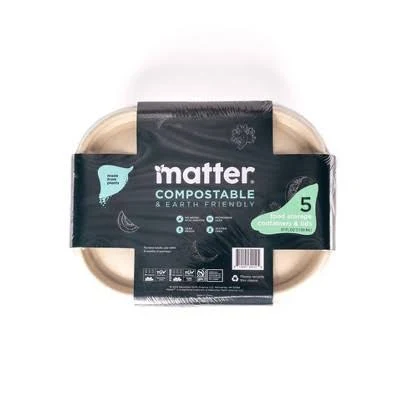
- Plant-based fiber pulp (compostable)
- A third party reports verifying it as PFAS-free
- Microbe/mold growth if stored damp
2 hazards checked on this product, all on its full breakdown.
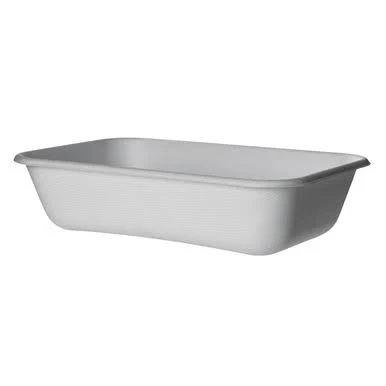
Eco-Products
Eco Products WorldView Compostable Take-Out Containers EP-SCRC32
- Plant-based fiber (compostable sugarcane bagasse)
- A third party reports verifying it as PFAS-free
- Bleaching agents and processing residues
3 hazards checked on this product, all on its full breakdown.
Eco-Products
WorldView Sugarcane Take-Out Containers
- Sugarcane bagasse (post-consumer fiber)
- A third party reports verifying it as PFAS-free
- Cellulose fiber degradation and food contact
2 hazards checked on this product, all on its full breakdown.
More food packaging grades
How we score, every product runs through the same public 0-100 rubric based on materials, coatings, brand disclosure, lab findings, and recalls. See the full methodology → Spotted a mistake? Report an error.