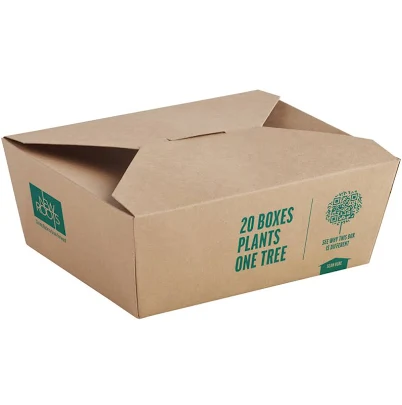
New Roots Kraft PLA-Lined Compostable #4 Take-Out Container 7 3/4" x 5 1/2" x 3 1/2" - 160/Case
Lower concern, but verify coating composition directly with brand first.
PLA-lined compostable containers avoid Teflon-family coating coatings, but kraft paper lining may have received water and grease-resistant treatment. Footprint provides no public PFAS policies or testing.
The better-graded swap
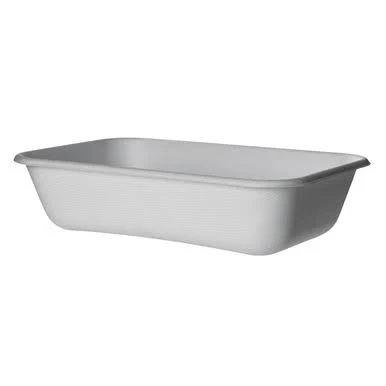
Eco-Products
Eco Products WorldView Compostable Take-Out Containers EP-SCRC32
100/100 safety
Same rubric that flunked this product. The swap earned Excellent.
Still want this one anyway? Check the price on Amazon. We’d swap it.
Material
PLA bioplastic with kraft paper lining
Brand disclosure
Brand is silent on PFAS
Lab data
No public lab test
You may also be interested in
Top-graded picks in the categories readers replace first, every one scored on the same rubric.

- polypropylene filter housing, carbon/sediment cartridge
- We found no PFAS statement from the brand
- Bacterial growth in spent cartridges
3 hazards checked on this product, all on its full breakdown.

Aquasure
Premier Series 75 GPD Under Sink Reverse Osmosis Water Filtration System
- RO membrane, carbon filters, stainless steel housing
- We found no PFAS statement from the brand
- Bacterial and microbial growth in housing and filters
4 hazards checked on this product, all on its full breakdown.

Avocado
Vegan Mattress
- organic cotton, natural latex, coconut coir, recycled steel coils
- The brand calls it PFAS-free, which we have not verified
- Heavy metals
2 hazards checked on this product, all on its full breakdown.
What New Roots Kraft PLA-Lined 160/Case is made of, ingredients and materials
This container is PLA (polylactic acid), a bioplastic derived from corn or sugarcane, lined with kraft paper. PLA does not contain BPA, BPS, or traditional phthalates, making it chemically simpler than polycarbonate or vinyl alternatives. However, PLA's weakness is thermal and chemical stability, it begins softening above 50-60°C and can leach small amounts of oligomers (unpolymerized building blocks) into fatty or acidic foods, especially when warm. The kraft lining may also contain fluorochemical coatings for grease resistance, which is the main hidden hazard in this product class.
What’s concerning
Category baseline
The starting point for this type of product, before anything specific to this product is counted.
No PFAS disclosure
No public statement from the brand about PFAS in this product.
Waterproof / stain-resistant treatment
Water-repellent coating treatments have historically used PFAS.
PFAS
Kraft linings in compostable containers often use water- and grease-resistant treatments that may contain perfluorinated or polyfluorinated compounds. Footprint does not publicly disclose coating composition; direct inquiry required to confirm whether fluorine-free alternatives are used on this #4 model.
Source, ATSDR ↗PLA oligomer leaching
PLA containers are documented in peer-reviewed studies to release small quantities of lactide oligomers into foods, particularly fatty and acidic items when heated. This is generally considered low-risk at typical exposure levels, but leaching increases substantially above 50°C.
Thermal degradation and structural failure
PLA softens and warps noticeably at temperatures above 55-60°C, well below typical hot-food serving ranges. This can lead to container failure, spills, and potential contamination; it is not suitable for hot soup, beverages, or foods requiring heat retention.
Microplastic shedding from kraft fiber breakdown
Prolonged contact with liquids or mechanical wear can cause kraft fibers to separate and enter food. The extent depends on coating integrity and storage duration; short-term use poses minimal risk.
What’s reassuring
BPA & bisphenols
PLA does not contain BPA, BPS, or phthalate plasticizers by formulation. This product shows lower concern in this regard than conventional polycarbonate and vinyl alternatives.
Source, FDA ↗How is this PFAS grade calculated?
The brand's record and disclosure
Footprint is a major compostable packaging supplier founded to reduce single-use plastics and promote industrial composting. The company markets sustainability credentials but maintains limited transparency on coating chemistry; they do not publicly disclose whether their kraft linings use PFAS-containing water-repellent treatments or fluorine-free alternatives. No major product recalls or safety violations are on record for this specific product. Buyers should contact Footprint directly to confirm whether this #4 container uses fluorochemical coatings and ask for a safety data sheet (SDS) for the kraft substrate.
How it compares in its category
PLA compostable containers show lower concern than conventional polystyrene or polyethylene terephthalate (PET) for room-temperature and mildly warm foods because they avoid common plasticizer leaching. However, they are functionally weaker, PLA degrades faster under heat, UV, and prolonged storage compared to traditional plastics. Kraft-lined versions are preferable to uncoated PLA for wet or fatty foods but introduce uncertainty around fluorochemical additives. Unlined fiber containers or PLA without kraft lining show lower concern if composting infrastructure is available.
If you buy it
Use these containers only for room-temperature or mildly warm (under 50°C / 120°F) foods; hot liquids or foods above this threshold accelerate PLA softening and oligomer migration. Avoid prolonged contact with fatty dressings, oils, or acidic sauces, which can penetrate and degrade the kraft coating. Store in cool, dark conditions; PLA becomes brittle under UV and heat over weeks to months. For industrial food service, confirm with your composting facility that they accept PLA; many municipal systems do not, making these containers contamination risks in standard recycling.
What is not known about PFAS in this product?
- Basis
- Model estimate, 72% confidence, not a lab result
- Lab test
- None on record for this exact product
- Brand statement
- New Roots has made none
Formulations change between production runs, so check the current label. How we grade.
What are the PFAS-free alternatives to New Roots Kraft PLA-Lined Compostable #4 Take-Out Container 7 3/4" x 5 1/2" x 3 1/2" - 160/Case?
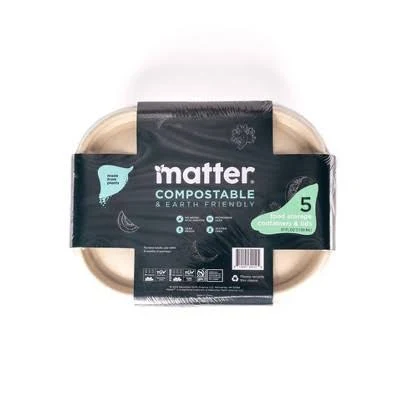
- Plant-based fiber pulp (compostable)
- A third party reports verifying it as PFAS-free
- Microbe/mold growth if stored damp
2 hazards checked on this product, all on its full breakdown.
Eco-Products
Eco Products WorldView Compostable Take-Out Containers EP-SCRC32
- Plant-based fiber (compostable sugarcane bagasse)
- A third party reports verifying it as PFAS-free
- Bleaching agents and processing residues
3 hazards checked on this product, all on its full breakdown.
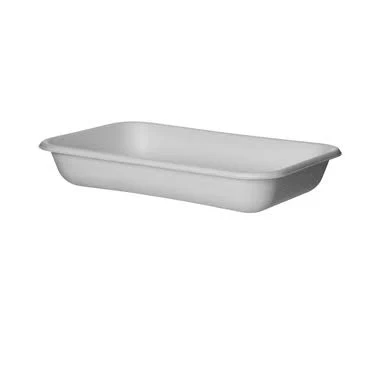
Eco-Products
WorldView Sugarcane Take-Out Containers
- Sugarcane bagasse (post-consumer fiber)
- A third party reports verifying it as PFAS-free
- Cellulose fiber degradation and food contact
2 hazards checked on this product, all on its full breakdown.
More food packaging grades
How we score, every product runs through the same public 0-100 rubric based on materials, coatings, brand disclosure, lab findings, and recalls. See the full methodology → Spotted a mistake? Report an error.