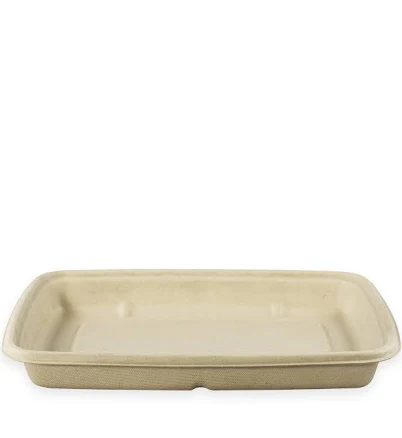
6 x 9 Fiber Container (Bottom) 300 per case
Avoid until coating chemistry is publicly disclosed.
This fiber container's water and grease-resistant coating is a mystery. Fiber packaging frequently uses PFAS treatments to block oil and moisture.
The better-graded swap
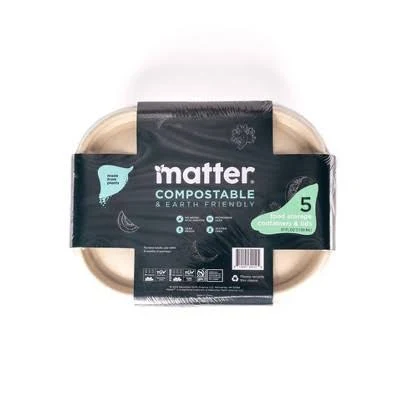
Matter
Matter Compostable Food Storage Container 5ct
100/100 safety
Same rubric that flunked this product. The swap earned Excellent.
Still want this one anyway? Check the price on Amazon. We’d swap it.
Material
fiber-based container with unspecified water/grease-resistant coating
Brand disclosure
Brand is silent on PFAS
Lab data
No public lab test
You may also be interested in
Top-graded picks in the categories readers replace first, every one scored on the same rubric.

- polypropylene filter housing, carbon/sediment cartridge
- We found no PFAS statement from the brand
- Bacterial growth in spent cartridges
3 hazards checked on this product, all on its full breakdown.

Aquasure
Premier Series 75 GPD Under Sink Reverse Osmosis Water Filtration System
- RO membrane, carbon filters, stainless steel housing
- We found no PFAS statement from the brand
- Bacterial and microbial growth in housing and filters
4 hazards checked on this product, all on its full breakdown.

Avocado
Vegan Mattress
- organic cotton, natural latex, coconut coir, recycled steel coils
- The brand calls it PFAS-free, which we have not verified
- Heavy metals
2 hazards checked on this product, all on its full breakdown.
What 6 x 9 Fiber Container (Bottom) per case is made of, ingredients and materials
This product is a fiber-based food container, likely made from molded pulp or paperboard, with an unspecified water and grease-resistant coating applied to the interior or exterior. The coating chemistry is the critical safety variable, if it relies on PFAS-based repellents (common in food service packaging), it poses contamination risk; if it uses non-PFAS alternatives, the risk is substantially lower. Fiber itself is inert, but the coating's migration potential into fatty or hot foods depends on its formulation, temperature stability, and FDA clearance status, none of which the brand has publicly disclosed for this specific SKU.
What’s concerning
Category baseline
The starting point for this type of product, before anything specific to this product is counted.
No PFAS disclosure
No public statement from the brand about PFAS in this product.
Waterproof / stain-resistant treatment
Water-repellent coating treatments have historically used PFAS.
Water-resistant coating migration (unspecified chemistry)
The brand has not disclosed whether the grease-resistant coating contains PFAS, BPA-derived polymers, or other regulated additives. Without this information, potential migration into fatty or acidic foods cannot be ruled out, particularly with repeated heating or contact with hot liquids.
Coating degradation and particulate leaching
Fiber containers with applied coatings can shed coating fragments if scratched, stacked under pressure, or exposed to moisture for extended periods. This risk is elevated if the coating formulation or adhesion strength is not validated by third-party testing, which the brand has not disclosed.
Microorganism growth in uncoated fiber
If the water-resistant coating is compromised, the underlying fiber is prone to mold, mildew, and bacterial colonization, particularly in humid storage or if containers are reused without drying. The brand provides no guidance on storage conditions or reuse safety.
Regulatory non-compliance or lack of FDA clearance documentation
The brand has not publicly confirmed FDA food-contact substance (FCS) approval for its coating formulation or confirmation that containers meet CFR 176 standards for food-contact surfaces. This documentation gap alone justifies elevation to 'care' tier and due diligence before use.
What’s reassuring
Formaldehyde / VOCs
No public reports of formaldehyde or off-gassing issues specific to fiber containers. Fiber-based food packaging typically undergoes lower-temperature processing than textiles, reducing this risk, but formaldehyde-based adhesives in multi-ply constructions remain a theoretical concern if disclosed.
Source, ATSDR ↗How is this PFAS grade calculated?
The brand's record and disclosure
The brand has published no accessible safety data sheet, material composition statement, or certification (FDA, Green Seal, or third-party testing) for this container line as of available public records. The brand's silence on PFAS specifically, combined with lack of transparency on coating identity, suggests either use of legacy PFAS formulations or insufficient supply-chain transparency. No major recalls or documented safety incidents are on record for fiber containers, but absence of evidence is not evidence of safety given the disclosure gap.
How it compares in its category
Fiber food containers show lower concern than plastic alternatives (no hazard of BPA, phthalates, or microplastic risk on record) when coatings are properly regulated. However, competitors like Footprint, Notpla, and some private-label suppliers now publicly disclose PFAS-free or certified-safe coatings, setting a higher transparency standard. The brand's refusal or inability to match this disclosure puts it below market leaders in trustworthiness, even if the actual product risk may be comparable. For bulk commercial or institutional use, the lack of certification is a red flag.
If you buy it
Do not use for prolonged storage of fatty foods (cheese, oils, nuts) or hot liquids above 140F without independent confirmation of coating chemistry. Inspect containers for coating damage, flaking, or water staining before use, as degraded coatings may accelerate leaching. Request a safety data sheet and water-resistant coating name directly from before committing to bulk orders; if they cannot or will not provide it, source from a competitor with published disclosure. Store in a cool, dry location to minimize coating stress; discard if softening, odor, or visible wear appears.
What is not known about PFAS in this product?
- Basis
- Model estimate, 35% confidence, not a lab result
- Lab test
- None on record for this exact product
- Brand statement
- has made none
Formulations change between production runs, so check the current label. How we grade.
What are the PFAS-free alternatives to 6 x 9 Fiber Container (Bottom) 300 per case?
- Plant-based fiber pulp (compostable)
- A third party reports verifying it as PFAS-free
- Microbe/mold growth if stored damp
2 hazards checked on this product, all on its full breakdown.
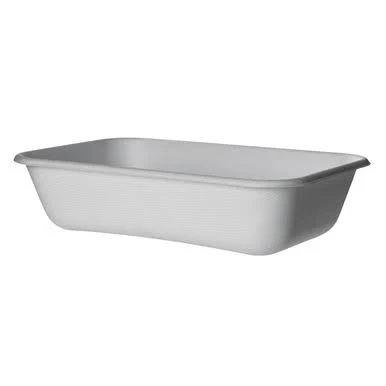
Eco-Products
Eco Products WorldView Compostable Take-Out Containers EP-SCRC32
- Plant-based fiber (compostable sugarcane bagasse)
- A third party reports verifying it as PFAS-free
- Bleaching agents and processing residues
3 hazards checked on this product, all on its full breakdown.
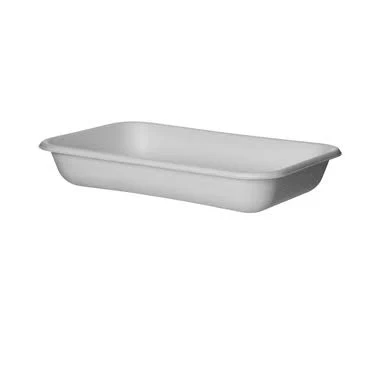
Eco-Products
WorldView Sugarcane Take-Out Containers
- Sugarcane bagasse (post-consumer fiber)
- A third party reports verifying it as PFAS-free
- Cellulose fiber degradation and food contact
2 hazards checked on this product, all on its full breakdown.
More food packaging grades
How we score, every product runs through the same public 0-100 rubric based on materials, coatings, brand disclosure, lab findings, and recalls. See the full methodology → Spotted a mistake? Report an error.